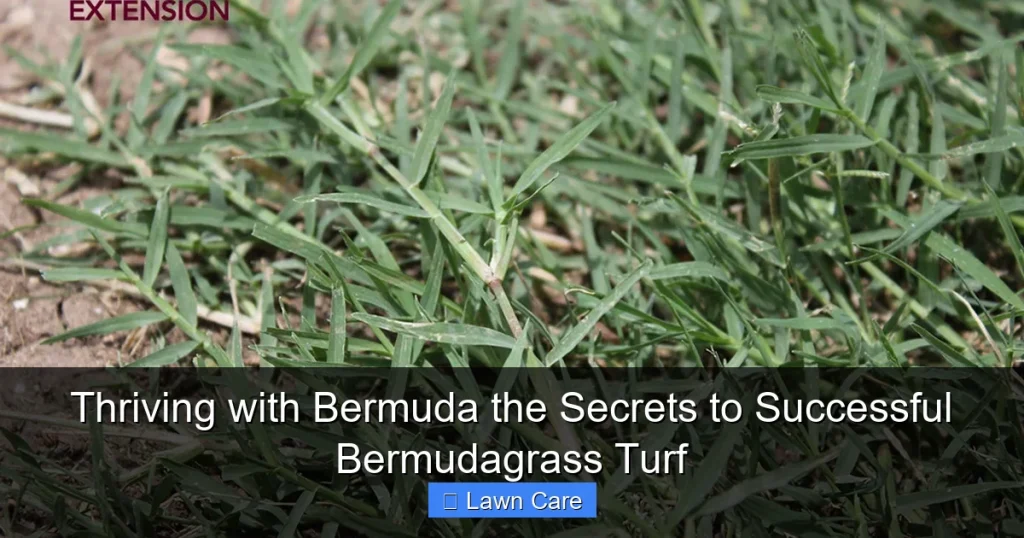
Achieve a stunning Bermudagrass lawn by understanding its core needs. This guide reveals the secrets to successful Bermudagrass turf, covering essential care like watering, mowing, fertilizing, and pest management for a vibrant, resilient yard.
Having a beautiful, lush lawn is something many homeowners dream of. If you’re in a warmer climate, Bermudagrass might be your grass of choice. It’s known for its incredible durability, ability to recover quickly, and that gorgeous, dense green carpet it can form. But, like any star athlete, Bermudagrass needs specific training to reach its full potential. If your Bermudagrass is looking a bit lackluster, or you’re just starting out, don’t worry. We’re going to dive deep into the secrets of successful Bermudagrass turf.
Bermudagrass is a warm-season grass, meaning it loves the heat and actively grows during the warmer months. It goes dormant and turns brown in the winter, which is perfectly normal. Understanding this basic characteristic is the first step to keeping it happy. It spreads aggressively through both stolons (above-ground stems) and rhizomes (underground stems), which is how it fills in bare patches and creates that dense turf. This aggressive spreading is a double-edged sword; it’s great for recovery but can also lead to it creeping into garden beds if not managed.
The journey to a thriving Bermudagrass lawn isn’t complicated, but it does require consistency and an understanding of its preferences. Let’s break down the essential elements that will transform your lawn from just okay to absolutely outstanding.
- Sunlight is King: Bermudagrass thrives in full sun, requiring at least 6-8 hours of direct sunlight daily for optimal growth and density.
- Water Wisely: Deep, infrequent watering encourages strong root systems. Allow the soil to dry out slightly between waterings to prevent disease.
- Mow High, Mow Often: Proper mowing is crucial. Bermudagrass benefits from mowing at a lower height than many other grasses, but frequent mowing prevents stress.
- Feed for Success: Regular fertilization, especially during the active growing season, provides the nutrients Bermudagrass needs to stay green and healthy.
- Aeration is Key: Core aeration helps improve water and nutrient penetration, reduces soil compaction, and promotes a healthier root zone.
- Watch for Pests and Diseases: Vigilance is important. Early detection and appropriate treatment of common pests and diseases will keep your Bermudagrass looking its best.
Quick Answers to Common Questions
What is the ideal mowing height for Bermudagrass?
For most common Bermudagrass varieties, the ideal mowing height is between 0.5 and 1.5 inches. Mowing at this lower height encourages density and spread. Remember to never remove more than one-third of the grass blade length in a single mowing.
How often should I water my Bermudagrass?
Water deeply and infrequently. Aim to apply 1 to 1.5 inches of water per watering session, allowing the soil to dry slightly between waterings. The best time to water is in the early morning to reduce evaporation and prevent fungal diseases.
When is the best time to fertilize Bermudagrass?
Fertilize Bermudagrass during its active growing season, which is typically from late spring through early fall. Start after the grass has fully greened up and avoid fertilizing late in the fall.
Can Bermudagrass grow in shade?
Bermudagrass is a sun-loving grass and requires at least 6 to 8 hours of direct sunlight per day to thrive. It will not perform well in heavily shaded areas.
How do I deal with a thick thatch layer on my Bermudagrass lawn?
If you have a thatch layer thicker than 0.5 inches, it’s time to dethatch. This is typically done with a power rake or dethatching rake when the grass is actively growing. Dethatching removes excess organic material, improving water and nutrient penetration.
📑 Table of Contents
- Understanding Bermudagrass’s Needs: Sun, Soil, and Spread
- Mastering the Watering Routine
- The Art of Mowing Bermudagrass
- Feeding Your Bermudagrass: Fertilization Strategies
- Aeration and Dethatching: Essential Maintenance
- Pest and Disease Management
- Overseeding Bermudagrass for Winter Color
- Conclusion
Understanding Bermudagrass’s Needs: Sun, Soil, and Spread
Before we get into the nitty-gritty of care, it’s important to appreciate what Bermudagrass fundamentally needs to flourish. It’s not just about watering and mowing; it’s about creating the right environment.
The Sunshine Factor
Bermudagrass is a sun worshipper. It absolutely craves direct sunlight. To get that thick, dense turf you’re looking for, your lawn needs at least 6 to 8 hours of direct sunlight every single day. If your yard has significant shade from trees or buildings, Bermudagrass might struggle. In partially shaded areas, you might notice thinning patches or slower growth. If shade is an issue, consider planting shade-tolerant ground covers or other plants in those spots. For areas that get consistent sun, Bermudagrass is your champion.
Soil Health is Wealth
While Bermudagrass is adaptable and can grow in a variety of soils, it performs best in well-draining soil. Poor drainage can lead to root rot and increase the risk of fungal diseases, especially during humid periods. Amending your soil with organic matter, like compost, can significantly improve drainage and fertility. Testing your soil’s pH is also a good idea. Bermudagrass prefers a slightly acidic to neutral pH, typically between 6.0 and 7.0. If your pH is off, it can hinder nutrient uptake.
The Art of Spreading
As mentioned, Bermudagrass spreads rapidly. This is a huge advantage when you have bare spots or want to establish a new lawn. However, this spreading habit means you need to be mindful of its boundaries. Edging your garden beds and walkways regularly can help keep your Bermudagrass confined to the lawn area. If you’re looking to encourage faster spread in a specific area, ensure it has plenty of sunlight, adequate water, and is properly fertilized. You might also find our guide on how to get Bermuda grass to spread helpful.
Mastering the Watering Routine
Water is essential for all living things, and your Bermudagrass lawn is no exception. However, *how* and *when* you water makes a big difference in its health and resilience.
Deep and Infrequent: The Golden Rule
The biggest mistake most people make is watering too often, but not enough. Shallow watering encourages shallow roots. Shallow roots make your grass more susceptible to drought stress and heat. The goal is to water deeply, encouraging those roots to grow down into the soil in search of moisture. This means applying about 1 to 1.5 inches of water per watering session. The best way to measure this is by placing a few empty tuna cans or rain gauges around your lawn while you water. When the cans are full, you’ve applied enough water.
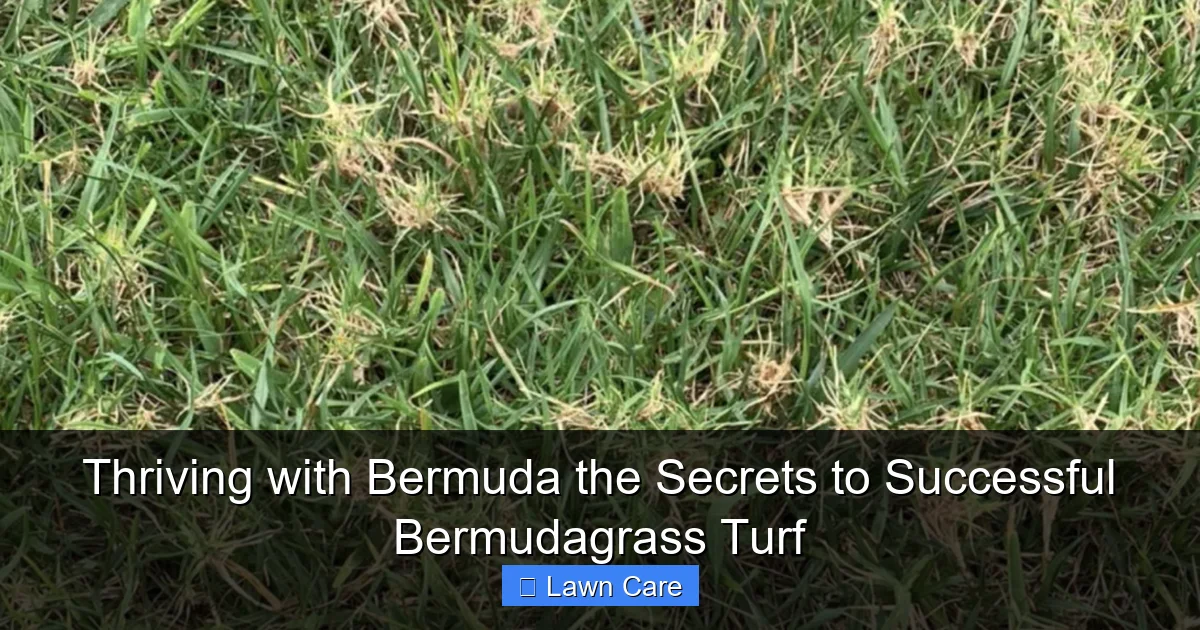
Visual guide about Thriving with Bermuda the Secrets to Successful Bermudagrass Turf
Image source: turfdiseases.org
When to Water
Timing is crucial. The best time to water your Bermudagrass is in the early morning, typically between 4 AM and 10 AM. This allows the water to soak into the soil before the heat of the day causes excessive evaporation. Watering in the morning also gives the grass blades time to dry off before nightfall, which helps prevent fungal diseases. Avoid watering in the late evening, as wet grass overnight can be a breeding ground for problems. You can find more detailed advice on when is the best time to water Bermudagrass.
Signs of Thirst
Your lawn will tell you when it needs water. Look for these signs: the grass will develop a dull, bluish-gray color, and footprints will remain visible for a long time after you walk on it. The blades may also start to curl or fold inward. Don’t wait until the grass is severely stressed and wilting; try to water when you first notice these early indicators.
The Art of Mowing Bermudagrass
Mowing is more than just keeping the grass short; it’s a critical part of maintaining a healthy, dense Bermudagrass turf. The way you mow directly impacts the grass’s density, color, and overall vigor.
Height Matters
Bermudagrass can be mowed quite low, especially the finer-bladed varieties. Most common Bermudagrass cultivars thrive when mowed between 0.5 and 1.5 inches. Mowing at a lower height encourages the grass to spread and thicken. However, never remove more than one-third of the grass blade length at any single mowing. Cutting too much at once can shock the grass, weaken it, and make it susceptible to disease and drought.
Frequency is Key
Because Bermudagrass grows so vigorously during the summer, you’ll likely need to mow more frequently than you might with other grass types. During its peak growing season, you might find yourself mowing every 3-4 days. This frequent mowing at a low height is what creates that dense, carpet-like appearance. It’s better to mow more often at the correct height than to let it get too long and then scalp it.
Keep Your Blades Sharp
This is non-negotiable. Dull mower blades tear the grass blades rather than cutting them cleanly. This ragged cut leaves the grass vulnerable to disease and can give your lawn a grayish, unhealthy appearance. Sharpen your mower blades at least once or twice during the growing season. A clean cut promotes faster healing and a healthier look.
Mulching Mower Clippings
When possible, use a mulching mower or set your mower to mulch the clippings. These clippings are full of nutrients and can act as a natural fertilizer, returning nitrogen to the soil. They also help retain moisture. Ensure you’re not leaving large clumps of grass on the lawn, as these can smother the grass underneath. If you have too many clippings to mulch, consider composting them or using them in your garden beds. You can learn more about how to dispose of lawn clippings the right way.
Feeding Your Bermudagrass: Fertilization Strategies
A well-fed lawn is a healthy lawn. Bermudagrass is a heavy feeder, especially during its active growing season. Providing the right nutrients at the right time will ensure it stays lush, green, and resilient.
When to Fertilize
The primary fertilization window for Bermudagrass is during its active growth period, which typically starts in late spring and continues through early fall. It’s generally recommended to start fertilizing after the grass has fully greened up after winter dormancy. The exact timing can vary based on your specific climate. For instance, knowing when to plant Bermudagrass in Alabama can also give you clues about its active season. Avoid fertilizing too late in the fall, as this can stimulate growth that won’t survive winter frosts.
What Type of Fertilizer?
Bermudagrass benefits most from a balanced fertilizer, often with a higher nitrogen content during the growing season. Look for a fertilizer with an N-P-K ratio (Nitrogen-Phosphorus-Potassium) that suits your lawn’s needs. A common recommendation for established Bermudagrass is a fertilizer with a higher first number (nitrogen). Slow-release nitrogen fertilizers are often preferred as they provide a steady supply of nutrients without causing a sudden surge of growth that can lead to thatch buildup or disease. Our guide on what is the best fertilizer for Bermudagrass can offer more specific advice.
Application Tips
Always follow the instructions on the fertilizer packaging. Apply fertilizer evenly to avoid streaks or burn spots. A broadcast spreader is generally recommended for even application. Water your lawn after fertilizing to help the nutrients penetrate the soil and reduce the risk of burning the grass. It’s a good practice to fertilize every 4-6 weeks during the active growing season.
Aeration and Dethatching: Essential Maintenance
Over time, soil can become compacted, and thatch can build up, hindering your Bermudagrass’s ability to access vital resources. Aeration and dethatching are key to preventing and correcting these issues.
Core Aeration
Core aeration involves using a machine to pull small plugs of soil out of the lawn. This process relieves soil compaction, allowing water, air, and nutrients to penetrate deeper into the root zone. It also helps improve drainage. The best time to core aerate Bermudagrass is when it’s actively growing, typically in late spring or early summer. The plugs of soil will break down naturally over time, and the grass will fill in quickly. If you have heavy clay soil or notice significant compaction, aerating once a year can make a huge difference.
Dethatching
Thatch is a layer of dead and living organic material (stems, roots, and leaves) that accumulates between the green grass blades and the soil surface. A thin layer of thatch is beneficial, but a thick layer (more than 0.5 inches) can prevent water, air, and nutrients from reaching the soil. It can also harbor pests and diseases. If you see a thick layer of brown, spongy material, it’s time to dethatch. This is typically done with a power rake or a dethatching rake. Like aeration, dethatching should be done when the grass is actively growing. Be prepared for your lawn to look a bit rough for a couple of weeks after dethatching, but it will recover.
Pest and Disease Management
Even the most meticulously cared-for Bermudagrass lawn can sometimes fall victim to pests and diseases. Early detection and appropriate action are crucial for keeping your turf healthy.
Common Pests
Chinch bugs are a common enemy of Bermudagrass, especially in hot, dry conditions. They feed on grass juices, causing irregular brown patches that can enlarge rapidly. Grubs are another concern, as they feed on grass roots, leading to sections of turf that can be easily lifted like a carpet. Regularly inspect your lawn for signs of damage and pests. If you spot them, identify the pest and choose an appropriate insecticide. Many organic or less toxic options are available.
Fungal Diseases
Fungal diseases like dollar spot, brown patch, and pythium blight can affect Bermudagrass, particularly during periods of high humidity, excessive moisture, or improper fertilization. Symptoms can include small bleached spots, expanding brown patches, or a slimy, greasy appearance. Improving air circulation, proper watering practices, and avoiding excessive nitrogen can help prevent many fungal issues. If a disease takes hold, identify it quickly and use a fungicide if necessary. Ensure your lawn isn’t too wet overnight, as this is prime time for fungi to thrive.
Integrated Pest Management (IPM)
The best approach to pest and disease control is often Integrated Pest Management (IPM). This means using a combination of methods: promoting a healthy lawn through proper cultural practices (watering, mowing, fertilizing), monitoring your lawn regularly, and only using chemical controls as a last resort, and then using the least toxic option that will be effective. A healthy, dense Bermudagrass lawn is naturally more resistant to pests and diseases.
Overseeding Bermudagrass for Winter Color
While Bermudagrass goes dormant and turns brown in winter, many people like to maintain a green lawn year-round. This is achieved by overseeding with a cool-season grass, most commonly perennial ryegrass. If you’re considering this, understanding the timing is critical. Planting too early can hinder the Bermudagrass’s recovery in the fall and may even damage it. Conversely, planting too late means you miss out on the desired winter green. It’s often recommended to wait until the Bermudagrass has begun to slow its growth and the temperatures consistently drop. Knowing when is the best time to plant Bermuda grass for its primary growth can help you gauge its dormancy. You can learn more about the process of overseeding in guides like how to overseed Bermuda grass with ryegrass. Remember, the goal is for the Bermudagrass to recover its strength before the cool-season grass is introduced.
Conclusion
Thriving with Bermudagrass is entirely achievable with a little knowledge and consistent effort. By understanding its love for sun, its watering preferences, and the nuances of proper mowing and feeding, you can cultivate a lawn that is not only beautiful but also incredibly resilient. Don’t forget the importance of aeration, dethatching, and staying vigilant against pests and diseases. With these secrets in your gardening toolkit, your Bermudagrass lawn will be the envy of the neighborhood, providing a lush, green oasis for you to enjoy all season long.
Frequently Asked Questions
Why is my Bermudagrass turning brown?
Bermudagrass naturally turns brown and goes dormant during the cooler winter months. If it’s turning brown during the growing season, it could be due to lack of water, disease, pests, or a nutrient deficiency. Inspect your lawn closely to determine the cause.
How can I make my Bermudagrass lawn thicker?
To achieve a thicker Bermudagrass lawn, ensure it receives adequate sunlight, mow it frequently at a low height (0.5-1.5 inches), fertilize regularly during the growing season, and water deeply but infrequently. Core aeration can also help improve overall turf density.
What is the difference between Bermudagrass and Zoysia grass?
Bermudagrass is known for its aggressive spreading habit and high heat tolerance, thriving in full sun. Zoysia grass is also a warm-season grass but generally has slower growth, better shade tolerance than Bermuda, and a finer texture. They have different establishment methods and optimal mowing heights.
Is it okay to mix Bermudagrass with other grass types?
Bermudagrass spreads aggressively and can outcompete many other grass types, especially in full sun. While some specific cool-season grasses like ryegrass are overseeded for winter color, mixing warm-season grasses requires careful consideration of their growth habits and needs.
How do I overseed my Bermudagrass with winter grass?
Overseeding is typically done in the fall after Bermudagrass growth slows. Perennial ryegrass is a common choice for winter overseeding. Ensure proper seed-to-soil contact and maintain adequate moisture until germination. The Bermudagrass should have recovered well from summer stress before overseeding.
What are the signs of chinch bugs in my Bermudagrass?
Chinch bugs are small insects that feed on Bermudagrass. Signs of infestation include irregular brown or yellow patches that enlarge over time, especially in hot, dry areas of the lawn. You might also notice the insects themselves, which are small and dark-colored with white markings.