If you’re wondering how to keep your lawn lush and green, the key lies in proper watering techniques. Watering your lawn isn’t just about turning on the hose and hoping for the best; it’s a science that involves timing, the right amount of water, and understanding your lawn’s specific needs. In this guide, we’ll break down the essentials of effective lawn watering, from when to water and how much, to tips for different grass types and weather conditions. With the right approach, you can ensure your lawn thrives through every season. So grab your watering can or hose, and let’s dive into the definitive guide that will transform your lawn care routine!

“`html
The Definitive Guide To Watering Your Lawn
Watering your lawn is vital for its health and beauty. Proper watering techniques help create a lush green space for your home. In this guide, we will explore the key factors in effectively watering your lawn to help it thrive.
Understanding Your Lawn’s Needs
Every lawn is unique. Different grass types have varying water requirements. Understanding your lawn’s needs is the first step in effective watering.
– **Cool-season grasses** thrive in cooler temperatures and need water during spring and fall.
– **Warm-season grasses** flourish in warmer weather and require more water in summer.
By recognizing the type of grass you have, you can tailor your watering schedule accordingly.
Watering Techniques
Different methods exist for watering your lawn. It’s essential to select the right technique to maximize efficiency. Here are the most common approaches:
1. Manual Watering
Using a hose or watering can is a direct way to water your lawn. It’s easy to control the amount of water given. This method works best for small areas.
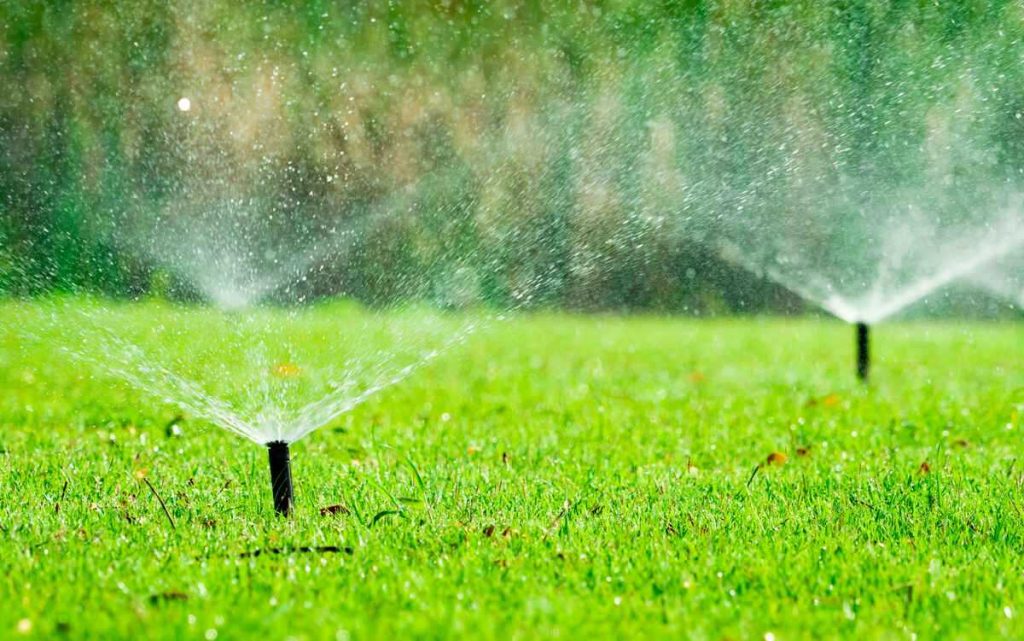
2. Sprinkler Systems
Sprinklers can cover larger areas effectively. They can be stationary or oscillating, providing even water distribution. Here are some advantages:
– Saves time and effort.
– Can be set on timers for consistency.
3. Drip Irrigation
Drip systems deliver water directly to the roots. This method is efficient for gardens and flowerbeds. It reduces water waste and enhances soil moisture.
When To Water Your Lawn
Timing is crucial when watering your lawn. Watering at the right time helps reduce evaporation and ensures proper absorption.
1. Early Morning
Watering early in the morning, from 6 AM to 10 AM, is ideal. Temperatures are cooler, reducing evaporation. Grass has time to dry before evening, preventing disease.
2. Late Afternoon/Early Evening
If you miss the morning window, late afternoon is the next best option. Try to finish before sunset. This timing allows grass blades to dry overnight.
3. Avoid Midday Watering
Watering during the hottest part of the day can waste water. Most of it evaporates before reaching the roots.
How Much To Water
Understanding how much water your lawn needs is critical. Overwatering can lead to run-off and root rot, while underwatering will stress the grass.
– A general rule is to provide about **1 to 1.5 inches** of water per week.
– You can measure this by placing a small container (like a tuna can) under the sprinkler.
Once you know how long it takes to fill the container, you can adjust your watering schedule.
Watering Frequency
How often should you water your lawn? This depends on several factors such as weather conditions, soil type, and grass type.
1. During Dry Seasons
In hotter months, you may need to water every 3 to 4 days. Watch for signs of drought stress, like wilting or browning grass.
2. After Rain
If it rains, skip watering for a few days. Let the natural moisture soak into the soil.
3. Soil Type Matters
Different soil types retain water differently:
– **Sandy soil** drains quickly and requires more frequent watering.
– **Clay soil** retains moisture longer, needing less frequent water.
Knowing your soil type helps in determining your lawn’s watering needs.
Signs Your Lawn Needs Water
It’s essential to recognize when your lawn needs watering. Here are some signs to look for:
– Grass blades appear dull or grayish.
– Footprints remain visible after walking on grass.
– The soil feels hard and dry to the touch.
If you notice these signs, it’s time to water your lawn.
Common Mistakes to Avoid
Even with good intentions, mistakes can happen while watering your lawn. Here are a few common errors to be aware of:
1. Overwatering
Many homeowners tend to overwater their lawns. This can lead to issues such as fungal diseases and shallow root growth.
2. Watering Too Late
Watering in the evening can create a damp environment for pests and diseases. It’s best to water earlier in the day.
3. Not Adjusting for Weather
Failing to adjust your watering routine based on the weather can waste water. Always check the forecast!
Seasonal Watering Adjustments
Different seasons call for adjustments in your watering routine. Staying flexible ensures your lawn receives what it needs.
1. Spring
As temperatures rise, begin watering consistently. Grass starts to grow actively, requiring more water.
2. Summer
Increase watering frequency during the hottest months. Be sure to monitor for signs of drought.
3. Fall
As temperatures cool, reduce watering frequency. Cool-season grasses will begin to thrive again.
4. Winter
In winter, most lawns go dormant and require little to no watering. Only water if the weather is unusually dry.
Tools and Equipment
Having the right tools can simplify lawn watering. Here are some essential items to consider:
– **Hose and nozzle**: For manual watering, a long hose with an adjustable nozzle is beneficial.
– **Sprinkler**: Choose one that suits your lawn size. Oscillating sprinklers are suitable for large areas.
– **Timer**: Timers can automate your watering schedule, ensuring consistency.
– **Rain gauge**: A simple tool to measure rainfall and adjust your watering accordingly.
Water Conservation Tips
Conserving water while keeping your lawn healthy is essential. Here are some effective water-saving tips:
– **Mulching**: Apply mulch around plants to retain soil moisture.
– **Aeration**: Aerate your lawn to allow water to penetrate deeper into the soil.
– **Collect Rainwater**: Use rain barrels to collect rainwater for your garden.
By incorporating these strategies, you can enjoy a beautiful lawn without excessive water use.
Watering your lawn properly takes attention and understanding, but it pays off with a healthy, vibrant landscape. By following the guidelines in this guide, you can create an outdoor space that you will love and enjoy for years to come.
“`
A Beginner's Yearly Lawn Care Guide to Improving or Maintaining a Beautiful, Green Bermudagrass Lawn
Frequently Asked Questions
What time of day is best for watering my lawn?
Watering your lawn in the early morning, ideally between 5 AM and 10 AM, provides the best results. This timing allows the grass to absorb moisture before the heat of the day, reducing evaporation. Additionally, morning watering promotes healthier grass growth since the blades dry off by midday, minimizing the risk of diseases that thrive in damp conditions.
How much water does my lawn need each week?
Your lawn typically requires about 1 to 1.5 inches of water per week, including rainfall. You can measure this by placing a container, such as a tuna can, in your yard while watering and timing how long it takes to fill it. Adjust your watering schedule based on rainfall, grass type, and weather conditions to ensure your lawn remains healthy without over or under-watering.
What are the signs that my lawn needs water?
Look for specific indicators that signal your lawn needs water. These include a dull or bluish tint in the grass, footprints that remain visible for a longer time, or the blades of grass curling. If the edges of the grass blades appear brown, it’s another sign that your lawn is thirsty and needs watering.
Can I use a sprinkler system for watering my lawn?
Yes, a sprinkler system can efficiently water your lawn. Ensure that your sprinkler system covers the entire area evenly. It’s best to set your system to operate during the early morning hours when evaporation rates are lower. Regularly check for any blockages or issues to maintain optimal operation.
How often should I water my lawn during different seasons?
During the growing season, water your lawn more frequently, about two to three times a week. In cooler months, reduce the frequency to once a week or even less, depending on rainfall. Adjust your watering schedule based on temperature and humidity levels, as hotter and dryer conditions require more frequent watering.
Final Thoughts
Effective watering is crucial for a healthy lawn. By following the tips from “The Definitive Guide To Watering Your Lawn,” you can ensure your grass receives the right amount of moisture.
Regularly check soil moisture and adjust your watering schedule according to the season.
Consider the time of day for watering and aim for early morning or late afternoon to minimize evaporation.
With these strategies, you can maintain a lush, green lawn that thrives throughout the year.