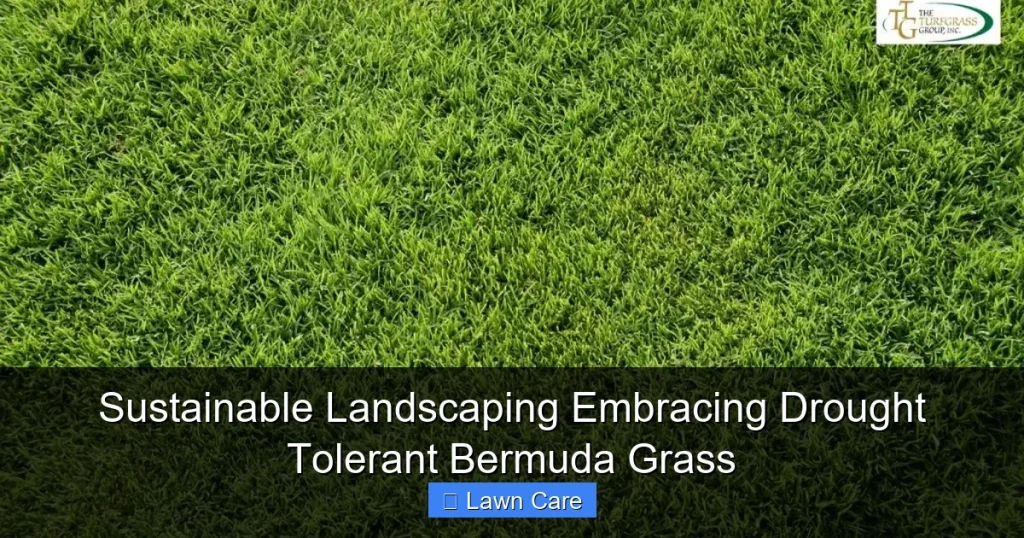
Transform your lawn into a water-wise oasis with drought-tolerant Bermuda grass. This guide explores its benefits, how to establish and maintain it, and its role in sustainable landscaping. Learn how this resilient grass can save you water and reduce your environmental impact, creating a beautiful and eco-friendly outdoor space.
Are you tired of watching your lawn turn brown and crispy during the summer months? Do you find yourself spending a fortune on water bills just to keep your grass alive? If so, it’s time to talk about a game-changer in lawn care: sustainable landscaping, with a special focus on the amazing drought-tolerant Bermuda grass. It’s not just about having a green lawn; it’s about having a smart, eco-friendly, and resilient lawn that can handle the heat and the dry spells.
In today’s world, where water conservation is becoming increasingly important, traditional lawn care methods are often unsustainable. We’re constantly battling the urge to overwater, leading to wasted resources and higher costs. But what if there was a way to have a beautiful, functional lawn that naturally requires less water? That’s where drought-tolerant grasses like Bermuda grass come in. They’re a perfect fit for homeowners looking to embrace a more sustainable lifestyle and reduce their environmental footprint, all while enjoying a lush green carpet.
### The Beauty of Drought Tolerance: Why Bermuda Grass Shines
Bermuda grass isn’t just any grass; it’s a champion when it comes to surviving tough conditions. Its ability to withstand drought is one of its most defining characteristics. This isn’t accidental; it’s a result of its biology. One of the key reasons for its drought tolerance is its remarkable root system. Bermuda grass boasts deep roots that can delve far into the soil, seeking out moisture even when the surface is parched. This extensive root network is crucial for its survival and recovery during dry periods.
### Understanding Bermuda Grass Varieties for Sustainability
When we talk about Bermuda grass, it’s important to know that there are many varieties, each with slightly different characteristics. For drought-tolerant landscaping, some varieties are better suited than others. For instance, common Bermuda grass is known for its hardiness and adaptability. Newer, hybrid varieties like Sahara Bermuda grass have been specifically developed for superior drought resistance and improved turf quality. Understanding the nuances between types like Sahara Bermuda grass vs. Common Bermuda can help you select the best option for your specific climate and desired aesthetic. Whether you’re looking for seed or sod, researching options like Wrangler Bermuda grass seed or checking local availability at places like Bermuda grass seed Walmart can be a good starting point.
### Establishing Your Drought-Tolerant Oasis: Planting and Initial Care
Getting a Bermuda grass lawn started might seem daunting, but with a little planning and effort, you can set yourself up for long-term success. The process is similar to establishing other types of turfgrass, but the payoff in water savings is immense.
#### Site Preparation: The Foundation for Success
Before you even think about planting, proper site preparation is key. This involves clearing the area of any existing weeds or debris. It’s also a good idea to test your soil. Understanding your soil’s pH and nutrient levels will help you make any necessary amendments. For Bermuda grass, well-draining soil is essential, and if you have sandy soil, you’ll want to research drought tolerant grass for sandy soil to ensure good root development. Adding compost can improve soil structure and water retention.
#### Planting Options: Seed vs. Sod
You have two main options for establishing your Bermuda grass lawn: seeding or sodding.
* Seeding: This is generally the more cost-effective option, especially for larger areas. You’ll need to choose a high-quality Bermuda grass seed. Timing is crucial; Bermuda grass is a warm-season grass, so planting should occur when soil temperatures are consistently warm, typically in late spring or early summer. Proper seeding rates, like understanding the seeding rate for Bermuda grass, are vital for good coverage. You’ll need to keep the seedbed consistently moist until germination, which can take a few weeks. For those in specific regions, looking into options like best Bermuda grass seed for South Carolina or planting Bermuda grass seed in Texas can provide tailored advice.
* Sodding: This method provides an instant lawn, which is ideal if you want immediate results. You’ll purchase pre-grown rolls of Bermuda grass turf. Ensure the sod is fresh and laid quickly after delivery. It requires immediate watering and will establish roots within a few weeks.
#### Watering During Establishment
Even though Bermuda grass is drought-tolerant once established, it requires consistent moisture during its initial growth phase. This means frequent, light watering is necessary for the first few weeks after seeding or sodding. The goal is to keep the top inch of soil moist, but not waterlogged. As the grass develops its root system, you can gradually decrease the frequency of watering and increase the duration, encouraging those deep roots to grow.
### Sustainable Maintenance: Less Water, More Life
The beauty of choosing a drought-tolerant grass like Bermuda is that its maintenance needs shift significantly once established. You can move away from constant watering and embrace a more sustainable approach.
#### Smart Watering Techniques
Once your Bermuda grass lawn is established, its watering needs will decrease dramatically. Instead of light, frequent watering, opt for deep, infrequent watering. This encourages the grass to send its roots down in search of moisture, making it even more resilient. Water deeply when the grass shows signs of stress, such as a dulling green color or footprints that remain visible for a long time. Check local watering restrictions and aim to water in the early morning to minimize evaporation. Understanding why is my Bermuda grass turning brown can help you differentiate between drought stress and other issues.
#### Mowing for Health and Resilience
Proper mowing practices contribute significantly to the health and drought tolerance of your Bermuda grass.
* Mowing Height: Bermuda grass generally prefers to be mowed relatively short. However, mowing too short can stress the grass, especially during hot, dry periods. A mowing height of 1 to 2 inches is often recommended. Taller grass blades help shade the soil, reducing evaporation and keeping the roots cooler.
* Mowing Frequency: Mow regularly to maintain the desired height. Avoid removing more than one-third of the grass blade at a time. This means mowing more frequently during the active growing season and less often when the grass growth slows.
* Sharp Blades: Always use sharp mower blades. Dull blades tear the grass, leaving ragged edges that are more susceptible to disease and moisture loss. A sharp blade makes a clean cut, promoting faster healing. For efficient mowing, consider the best riding mower for Bermuda grass.
#### Fertilization: Less is Often More
Sustainable fertilization means providing nutrients only when needed and in the right amounts. Bermuda grass is a relatively heavy feeder during its active growing season, but over-fertilizing can lead to excessive growth that requires more water and can make the grass more susceptible to diseases.
* Timing: Fertilize during the active growing season, typically from late spring through summer. Avoid fertilizing when the grass is dormant or stressed from drought.
* Type: Use a slow-release fertilizer formulated for warm-season grasses. This provides a steady supply of nutrients over time, reducing the risk of nutrient burn and leaching. You can explore options like slow release fertilizer for Bermuda grass.
* Amount: Follow the recommended application rates on the fertilizer packaging. It’s better to apply slightly less and more frequently than to apply a large dose all at once. Soil testing can help you determine specific nutrient needs, guiding you toward what is the best fertilizer for Bermuda grass.
### Dealing with Pests and Diseases Sustainably
A healthy, well-maintained Bermuda grass lawn is naturally more resistant to pests and diseases. However, issues can still arise. Sustainable pest and disease management focuses on prevention and using the least toxic methods when problems occur.
#### Prevention is Key
* Proper Watering: Avoid overwatering, which can create conditions favorable for fungal diseases like brown patch.
* Good Air Circulation: Prune trees and shrubs that may be shading the lawn or blocking airflow.
* Healthy Soil: Healthy soil supports a robust root system, which is the first line of defense against many problems.
#### Integrated Pest Management (IPM)
When problems do arise, consider Integrated Pest Management (IPM) strategies. This involves monitoring your lawn for signs of pests or diseases and using targeted treatments only when necessary.
* Identify the Problem: Accurately identify the pest or disease before you treat it.
* Manual Removal: For some pests, manual removal or hand-picking might be effective for small infestations.
* Beneficial Insects: Encourage natural predators of pests.
* Least Toxic Options: If chemical treatment is necessary, choose the least toxic option available. For weed control, using a best post emergent weed killer for Bermuda grass targeted to your specific weed problem is more sustainable than broad-spectrum herbicides. Always read and follow label instructions carefully. Learning what kills Johnson grass but not Bermuda can save your lawn from invasive species.
### Beyond the Lawn: Bermuda Grass in a Sustainable Landscape
Embracing drought-tolerant Bermuda grass is a significant step towards sustainable landscaping. But you can take it even further by integrating it with other water-wise practices.
#### Xeriscaping Principles
Xeriscaping, or landscaping that requires little or no irrigation, is a perfect complement to a drought-tolerant lawn. Consider incorporating native plants, drought-tolerant groundcovers, and mulching to reduce water needs across your entire landscape. Group plants with similar water requirements together.
#### Reducing Lawn Size
Another sustainable approach is to reduce the overall size of your lawn. Replace some of your grass with drought-tolerant garden beds, permeable patios, or natural areas. This not only conserves water but also reduces the amount of maintenance required.
#### Water Harvesting
Consider installing rain barrels to collect rainwater for irrigating your lawn and garden. This is a free and sustainable water source that reduces your reliance on municipal water.
### Choosing the Right Bermuda Grass for Your Location
While Bermuda grass is a fantastic drought-tolerant option, its performance can vary depending on the specific region and climate. For example, while Bermuda grass is very popular in warmer climates, its viability in colder regions like Bermuda grass in Missouri or Bermuda grass in Pennsylvania needs careful consideration, as it is a warm-season grass and can go dormant or die back in freezing temperatures. However, with proper care and variety selection, it can still be a viable option. Researching specific varieties suited for your area, like Bermuda Grass Savanna or specific seed blends available at retailers like Bermuda grass Lowes, can ensure you get the best results. For those in states like Arizona, understanding planting Bermuda grass Arizona requires knowledge of its specific needs in that arid environment.
### The Future of Lawn Care: Sustainable and Smart
Sustainable landscaping with drought-tolerant Bermuda grass isn’t just a trend; it’s the future of responsible lawn care. By choosing the right grass, adopting smart maintenance practices, and integrating your lawn into a broader water-wise landscape, you can enjoy a beautiful, healthy, and environmentally friendly outdoor space. You’ll save water, reduce your utility bills, and contribute to a healthier planet. It’s a win-win for you and for nature. So, let’s embrace the resilience of Bermuda grass and cultivate lawns that are as smart as they are beautiful.
Key Takeaways
- Bermuda grass is highly drought-tolerant due to its deep root system, making it an excellent choice for water-scarce regions.
- Establishing a Bermuda grass lawn involves proper site preparation, selecting the right seed or sod, and consistent watering during the initial growth phase.
- Sustainable maintenance practices for Bermuda grass include reduced watering once established, efficient mowing, and targeted fertilization.
- Bermuda grass’s resilience allows it to thrive in heat and recover quickly from dormancy, minimizing the need for chemical interventions.
- Integrating drought-tolerant landscaping with Bermuda grass can significantly reduce water consumption and promote a healthier ecosystem.
- Choosing the right Bermuda grass variety, such as Sahara or common Bermuda, can optimize its performance for your specific climate and needs.
Quick Answers to Common Questions
What makes Bermuda grass drought tolerant?
Bermuda grass is drought tolerant primarily due to its deep and extensive root system, which allows it to access moisture far below the soil surface. It also has excellent recovery capabilities after periods of drought.
When is the best time to plant Bermuda grass seed?
The best time to plant Bermuda grass seed is in late spring or early summer when soil temperatures are consistently warm, typically above 65-70°F (18-21°C).
How often should I water established Bermuda grass?
Established Bermuda grass requires deep, infrequent watering. Water only when the lawn shows signs of drought stress, aiming to soak the soil several inches deep. This might mean watering once every 1-3 weeks depending on weather conditions.
Can Bermuda grass survive in shade?
Bermuda grass thrives in full sun and can tolerate some light shade. However, it performs best with at least 6-8 hours of direct sunlight per day. Heavy shade will significantly reduce its density and health.
What are some common weeds in Bermuda grass lawns?
Common weeds found in Bermuda grass lawns include crabgrass, foxtail, dallisgrass, and various broadleaf weeds like dandelions and clover. Proper lawn care and timely weed control are essential.
Frequently Asked Questions
How do I prepare my soil for planting Bermuda grass?
Prepare your soil by clearing existing vegetation, testing its pH and nutrient levels, and amending it with compost for improved structure and drainage. Ensure the soil is free of rocks and debris for optimal root development.
What is the difference between common Bermuda grass and hybrid Bermuda grass?
Common Bermuda grass is a more widely available and adaptable variety, often grown from seed. Hybrid Bermuda grasses are typically patented cultivars developed for specific traits like finer texture, disease resistance, and enhanced drought tolerance, often propagated vegetatively (sod or plugs).
Will Bermuda grass go dormant in the winter?
Yes, as a warm-season grass, Bermuda grass will go dormant in cooler temperatures and during winter. It will turn brown, but the roots remain alive and will green up again in the spring as temperatures rise.
How can I encourage my Bermuda grass to spread?
To encourage your Bermuda grass to spread, ensure it receives adequate sunlight, proper watering, and appropriate fertilization. Mowing at the correct height and keeping the lawn healthy will also promote rhizome and stolon growth for better coverage. You can learn more about how to get Bermuda grass to spread.
Can Bermuda grass be mixed with other grass types?
While it’s generally recommended to stick to one grass type for optimal uniformity and care, it is possible to mix Bermuda grass with other warm-season grasses. However, mixing it with cool-season grasses can lead to dormancy issues for the Bermuda during cooler months. Understanding mixing Bermuda and St Augustine grass can provide insights into successful warm-season mixes.
What are the benefits of using drought-tolerant Bermuda grass for sustainable landscaping?
The primary benefits include significantly reduced water consumption, lower utility bills, less need for frequent mowing and fertilizing, and increased resilience to heat and drought. This contributes to a more environmentally friendly and lower-maintenance landscape.