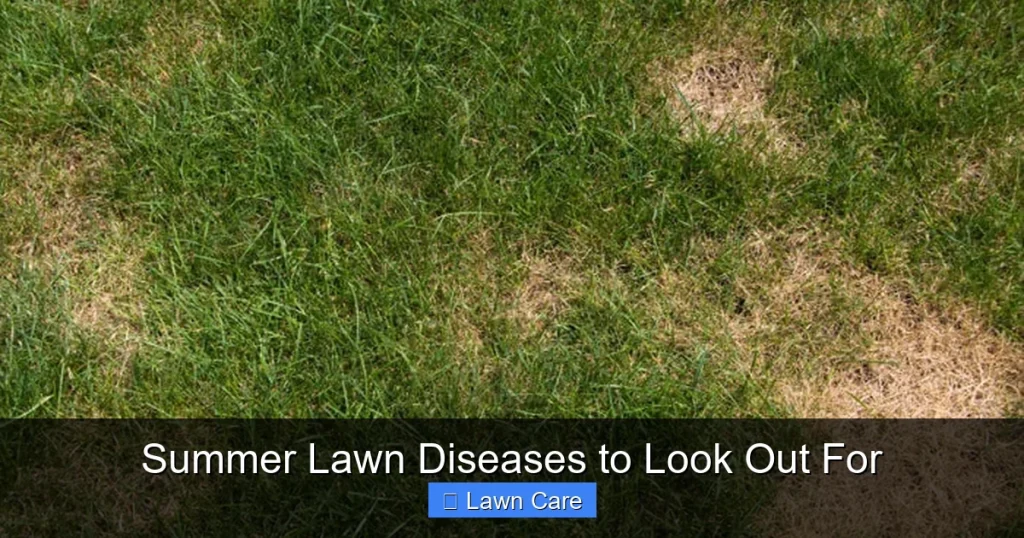
Don’t let summer heat and humidity ruin your lawn! This guide highlights common summer lawn diseases like brown patch and dollar spot, explaining their causes and symptoms. Learn proactive strategies, proper watering techniques, and when to consider treatments to keep your lawn healthy and green all season long.
Summer. The word itself conjures up images of long days, warm sunshine, and vibrant green lawns perfect for outdoor gatherings. But as the temperatures soar and humidity levels rise, your lawn can become a prime target for a host of unwelcome guests: summer lawn diseases. These fungal invaders can quickly turn a healthy, lush landscape into a patchy, discolored mess if you’re not prepared. Understanding what to look for and how to combat these issues is key to maintaining a beautiful and resilient lawn throughout the hottest months.
Just like humans can get sick, your lawn can too, especially when it’s under stress from heat, drought, or poor care. Summer’s unique weather patterns, with fluctuating moisture and high temperatures, create an ideal environment for many common lawn diseases to thrive. Recognizing the early signs of trouble is your first line of defense. Don’t wait until your lawn is completely overtaken; a little proactive care and vigilant observation can save you a lot of heartache and expense down the line.
This guide will walk you through some of the most prevalent summer lawn diseases you should be aware of. We’ll break down their symptoms, discuss what conditions favor their development, and, most importantly, provide practical tips on how to prevent and manage them. By the end, you’ll be better equipped to identify and address any issues that pop up, ensuring your lawn stays healthy and beautiful all summer long.
- Summer’s heat and humidity create the perfect breeding ground for fungal lawn diseases.
- Brown Patch is characterized by circular patches of brown, straw-like grass, often with a dark border.
- Dollar Spot appears as small, straw-colored or bleached spots roughly the size of a silver dollar.
- Red Thread shows up as pinkish-red threads on grass blades, often in patches.
- Proper watering is crucial: water deeply and infrequently, preferably in the early morning, to avoid stressing the grass and encouraging disease.
- Maintaining proper mowing height and avoiding excessive nitrogen fertilization can help prevent many summer lawn diseases.
- Early detection and appropriate action are key to successfully managing lawn diseases and restoring your lawn’s health.
Quick Answers to Common Questions
What is the most common summer lawn disease?
Brown patch is considered one of the most common and recognizable summer lawn diseases, characterized by circular patches of brown, straw-like grass.
How does watering affect summer lawn diseases?
Over-watering or watering at the wrong time (like in the evening) creates humid conditions that promote fungal growth, exacerbating summer lawn diseases. Deep, infrequent watering in the early morning is best.
Can I prevent summer lawn diseases without chemicals?
Yes, focusing on good cultural practices like proper watering, mowing at the correct height, maintaining soil health, and ensuring good air circulation can significantly prevent many summer lawn diseases.
What should I do if I see small, straw-colored spots on my lawn?
These spots could be dollar spot. Ensure your lawn has adequate nitrogen, dethatch if necessary, and consider a balanced fertilizer. If severe, a fungicide may be needed.
Is it always necessary to use fungicide for summer lawn diseases?
Not always. For mild cases or early detection, adjusting cultural practices like watering and fertilization can often resolve the issue. Fungicides are typically reserved for more severe or persistent infections.
📑 Table of Contents
Understanding the Culprits: Common Summer Lawn Diseases
Fungal diseases are the main culprits behind most summer lawn woes. These fungi are microscopic organisms that live in the soil and on grass blades. When the conditions are just right – usually a combination of heat, humidity, and sometimes excessive moisture – they can rapidly spread and infect your turf.
Brown Patch
Brown patch is one of the most common and frustrating summer lawn diseases. It’s caused by the fungus Rhizoctonia solani. You’ll typically see it appear during hot, humid weather, especially when temperatures are between 70°F and 90°F (21°C to 32°C).
Symptoms of Brown Patch
The most distinctive sign of brown patch is the appearance of circular or irregular patches of thinning or dead grass. These patches can range from a few inches to several feet in diameter. Often, the edges of these patches will have a darker, smoke-like or “frog-eye” ring. During the early morning, you might even see a faint, cobweb-like mycelium on the grass blades, especially on the affected edges. The grass within the patch will look straw-colored and brittle.
Contributing Factors
Over-watering, especially late in the day, and excessive nitrogen fertilization can promote brown patch. Compacted soil and poor air circulation also make lawns more susceptible. It can affect most common turfgrasses, but is particularly troublesome for centipedegrass, fescues, and ryegrass.
Dollar Spot
Dollar spot is another prevalent fungal disease that loves warm, humid weather. It’s caused by the fungus Sclerotinia homoeocarpa. While it can occur in cooler temperatures, it often becomes more noticeable and damaging during the summer months, particularly when there are periods of wet weather followed by dry spells.
Symptoms of Dollar Spot
This disease gets its name from the small, straw-colored or bleached spots that it creates, often roughly the size of a silver dollar. If you look closely, you might see a distinct hourglass-shaped lesion on the individual grass blades. In the morning, with dew present, you may observe a white, cobweb-like fungal growth on the affected areas. When these small spots merge, they can create larger, irregular patches of dead or thinning grass, giving the lawn a matted, unhealthy appearance.
Contributing Factors
Dollar spot is often associated with lawns that are low in nitrogen or have poor soil fertility. Drought stress, inconsistent watering, and mowing too short can also exacerbate the problem. It affects a wide range of turfgrasses.
Red Thread
Red thread is a disease that’s caused by the fungi Laetisaria spp. and Corticium fuciforme. While it’s often seen in cooler, moist conditions of spring and fall, it can certainly persist and be noticeable during the summer, especially in lawns that are struggling with other stresses. It’s particularly common on ryegrass and fescues.
Symptoms of Red Thread
The hallmark of red thread is the presence of pinkish-red, needle-like fungal strands (the “threads”) that emerge from the tips of the grass blades. These threads give affected patches a pink or reddish hue. You might also see small, irregular patches of bleached or tan grass. Unlike brown patch or dollar spot, the grass itself doesn’t usually die off completely, but it looks unsightly and less vigorous.
Contributing Factors
Red thread thrives in cool, damp conditions and is often linked to low nitrogen levels in the soil. Lawns that are stressed from drought or poor fertility are more susceptible. It’s a good indicator that your lawn might need a nutrient boost.
Preventative Measures: Building a Resilient Lawn
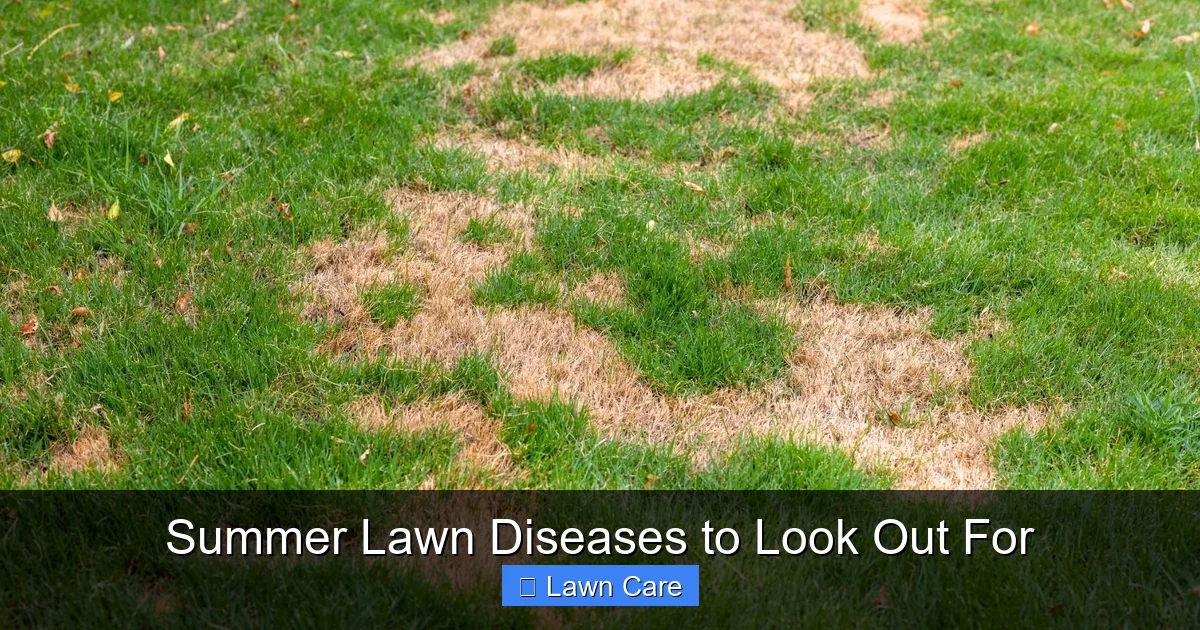
Visual guide about Summer Lawn Diseases to Look Out For
Image source: epicgardening.com
The best way to deal with summer lawn diseases is to prevent them from taking hold in the first place. By implementing good lawn care practices, you can significantly reduce your lawn’s vulnerability. This often involves creating an environment that is less hospitable to disease-causing fungi.
Proper Watering Techniques
Watering is a double-edged sword. While grass needs water to survive, over-watering or watering at the wrong time can be a major contributor to fungal diseases.
Water Deeply and Infrequently
Instead of light, frequent watering, aim for deep watering sessions. This encourages the grass roots to grow deeper into the soil, making the lawn more drought-tolerant. Water only when the grass shows signs of needing it, such as a dull, grayish color or when footprints remain visible after walking on it.
Water in the Morning
The ideal time to water your lawn is in the early morning, between 4 AM and 10 AM. This allows the grass blades to dry off thoroughly during the day. Watering in the evening or late afternoon leaves the grass wet overnight, creating the perfect humid environment for fungal spores to germinate and infect. It’s generally bad to water your lawn during midday in summer due to rapid evaporation, so morning is your best bet.
Ensure Good Drainage
Waterlogged soil is a breeding ground for disease. Make sure your lawn has good drainage. If water tends to pool in certain areas, you may need to consider improving the soil structure or installing a drainage system. You can learn more about how to create natural drainage for your lawn or explore options like building a rain garden to manage excess water.
Smart Mowing Practices
How you mow your lawn plays a significant role in its health and resilience against diseases.
Mow at the Correct Height
Never cut your grass too short. Taller grass blades help shade the soil, keeping it cooler and moister, which can suppress some fungal diseases. It also encourages deeper root growth. For most cool-season grasses, a mowing height of 2.5 to 3.5 inches is ideal. For warm-season grasses, it might be a bit shorter, but always check the recommendations for your specific grass type. Avoiding lawn scalping in summer is crucial.
Keep Mower Blades Sharp
Dull mower blades tear grass blades rather than cutting them cleanly. This creates ragged edges that are more susceptible to disease and can give your lawn a shredded, unhealthy appearance. Sharpen your mower blades regularly, at least once or twice during the mowing season. A well-maintained mower is key to a healthy lawn.
Don’t Mow Wet Grass
Mowing wet grass can spread fungal spores from diseased areas to healthy ones. It can also lead to clumping and uneven cutting. Wait until the grass has dried before you mow.
Soil Health and Fertilization
The health of your soil directly impacts the health of your lawn. Proper nutrient balance is essential.
Test Your Soil
Before fertilizing, it’s a good idea to test your soil. This will tell you what nutrients are lacking and what your soil’s pH is. Testing soil pH for lawn care is important because it affects nutrient availability.
Balanced Fertilization
Over-fertilizing, especially with high amounts of nitrogen, can make your lawn grow too quickly and become more susceptible to diseases. It can also encourage lush, weak growth that’s a magnet for fungi. Use a balanced fertilizer and follow the recommended application rates. Consider using slow-release fertilizers for a more consistent nutrient supply. You can learn more about lawn care fertilizer basics. For specific grass types like Kentucky Bluegrass, there are tailored fertilizer options. Some people also opt for natural fertilization methods to improve soil health over time.
Improve Soil Structure
Compacted soil restricts air and water movement, stressing the grass. Aerating your lawn, especially if it’s heavily trafficked, can help improve soil structure and reduce disease problems.
Identifying and Treating Summer Lawn Diseases
Even with the best preventative care, diseases can still strike. Early detection and appropriate treatment are crucial for managing summer lawn diseases.
Spotting the Signs Early
Vigilance is your best tool. Regularly walk your lawn, especially during periods of hot, humid weather, and look for any unusual spots, discoloration, or changes in texture. It’s important to know how to spot summer lawn diseases before they become widespread. Pay attention to any patterns or specific locations where problems seem to start.
Understanding Treatment Options
Once you’ve identified a disease, the next step is to decide on a treatment plan.
Cultural Controls
Often, adjusting your lawn care practices can be enough to help the lawn recover. This includes:
- Adjusting watering schedules (water less often, but more deeply).
- Mowing at the correct height and ensuring sharp blades.
- Addressing poor drainage issues.
- Applying a balanced fertilizer if nutrient deficiency is suspected.
Sometimes, overseeding a thin lawn in the fall can help rebuild its density and resilience.
Fungicides
If the disease is severe or persistent, you may need to use a fungicide. There are two main types:
- Contact Fungicides: These fungicides work by forming a protective barrier on the grass blades, preventing fungal spores from germinating. They need to be reapplied regularly, especially after rain.
- Systemic Fungicides: These are absorbed into the plant tissue, providing longer-lasting protection from within. They are often more effective for severe infections but may take longer to show results.
Always read and follow the label instructions carefully for any fungicide you use. It’s also a good idea to rotate fungicides with different active ingredients to prevent the fungi from developing resistance.
When to Call a Professional
If you’re unsure about the diagnosis, the disease is widespread, or your attempts at treatment aren’t working, don’t hesitate to contact a local lawn care professional. They have the expertise and equipment to accurately diagnose problems and apply the correct treatments. They can also provide advice tailored to your specific lawn and climate.
Dealing with Specific Disease Challenges
Each disease requires a slightly different approach. Knowing the nuances can help you target your efforts effectively.
Addressing Brown Patch
For brown patch, focus on reducing humidity and improving air circulation. Avoid over-watering and ensure your lawn is not receiving excessive nitrogen. If the problem is severe, a fungicide labeled for brown patch can be applied. Some homeowners find success with compost tea as a preventative or mild treatment, though its efficacy against aggressive fungal infections can vary.
Combating Dollar Spot
The primary approach for dollar spot is to ensure adequate nitrogen levels without overdoing it. Dethatching can also help improve air circulation and reduce the disease’s hold. If the lawn is severely affected, a fungicide may be necessary.
Managing Red Thread
Red thread is often a sign of nitrogen deficiency. Applying a nitrogen-rich fertilizer can quickly green up the lawn and help it recover. Ensure proper watering and aeration.
Seasonal Considerations and Lawn Resilience
Summer lawn diseases are not isolated incidents. They are often exacerbated by how well your lawn is prepared for and managed during the stressful summer months. Preparing your lawn for extreme summer weather is a proactive step that can make a huge difference. This includes adjusting your mowing, watering, and fertilization strategies well before the heat hits.
The Role of Grass Type
Different grass types have varying levels of disease resistance. For instance, some varieties of fescue are bred for better drought and disease tolerance. Understanding your grass type and its specific needs is fundamental to good lawn care. If you’re looking to improve your lawn’s overall health and appearance, considering overseeding in the fall might be an option. There are many resources available on how to overseed your lawn for a thick and lush look.
Building Long-Term Resilience
Long-term lawn health is about more than just treating symptoms. It’s about building a robust ecosystem. This involves:
- Improving soil health through organic matter and proper aeration.
- Choosing disease-resistant grass varieties when establishing or renovating your lawn.
- Maintaining a balanced nutrient profile through appropriate fertilization.
- Ensuring adequate sunlight and air circulation.
A healthy, resilient lawn is better equipped to withstand the stresses of summer, including disease pressure.
Conclusion
Summer can be a challenging time for your lawn, but by understanding the common diseases that emerge and implementing proactive, thoughtful care, you can keep it healthy and vibrant. From adjusting your watering habits to maintaining sharp mower blades and ensuring proper soil nutrition, each step contributes to a stronger, more resilient lawn. Don’t let summer lawn diseases catch you off guard. Stay observant, act promptly when you notice issues, and remember that a little knowledge goes a long way in protecting your beautiful green space. With the right approach, you can enjoy a gorgeous lawn throughout the summer and beyond.
Frequently Asked Questions
What are the visual signs of brown patch on my lawn?
Brown patch typically appears as circular patches of dead or thinning grass, often with a darker, smoke-like border. The affected grass will look straw-colored and brittle.
How quickly can dollar spot spread across my lawn?
Dollar spot can spread rapidly during favorable conditions, especially when there are periods of wet weather followed by dry spells. Small spots can merge into larger, irregular dead areas.
Can red thread kill my grass entirely?
Red thread usually weakens the grass rather than killing it outright. It creates unsightly patches of pinkish-red or bleached grass, but the grass blades themselves often recover with proper care.
What are the ideal conditions for summer lawn diseases to thrive?
High temperatures and high humidity are the perfect combination for most summer lawn diseases. Excessive moisture from over-watering or prolonged dew also plays a significant role.
How can I improve air circulation in my lawn to prevent disease?
You can improve air circulation by mowing at the appropriate height, trimming overgrown shrubs and trees that cast shade, and considering aeration of compacted soil. Proper spacing of plants around the lawn also helps.
When is the best time to fertilize my lawn to prevent summer diseases?
While it’s crucial to fertilize appropriately throughout the growing season, focusing on a balanced approach is key. Avoid excessive nitrogen applications right before or during peak summer heat, as this can lead to weak growth susceptible to disease. Fertilizing in spring and fall is often more beneficial for building long-term resilience.