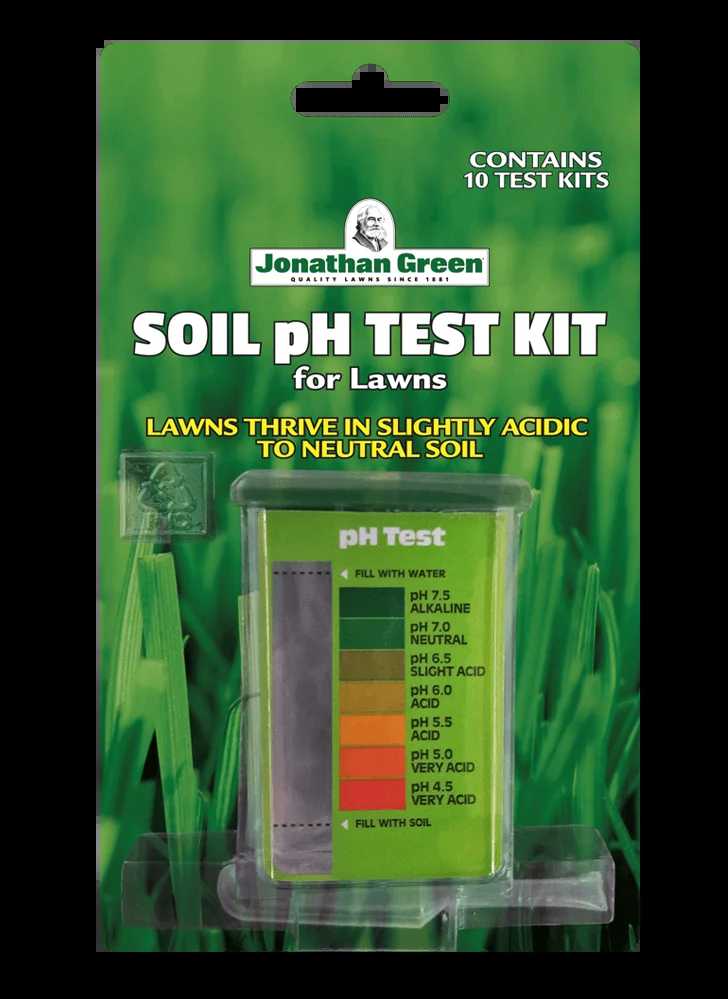
To quickly test your soil pH for a lush lawn, use a simple pH testing kit or a digital soil tester. These tools provide immediate, accurate results, helping you determine if your soil is acidic, neutral, or alkaline. Adjusting the pH accordingly can promote healthier grass growth and overall lawn vitality.
Knowing your soil’s pH level is essential for maintaining a beautiful lawn. Testing soil pH allows you to understand its acidity or alkalinity, which affects nutrient availability and grass health. The good news is, testing is straightforward with affordable kits or digital meters. In this guide, you’ll learn how to perform these tests accurately and interpret the results to take the right corrective actions, ensuring your lawn stays green, strong, and thriving throughout the seasons. Whether you’re a seasoned gardener or a weekend DIYer, mastering soil pH testing is a simple step towards lawn perfection.

How to test soil pH for lawn care
Understanding the importance of soil pH in lawn health
Soil pH measures how acidic or alkaline your soil is. It influences how well grass and plants absorb nutrients. Knowing your soil’s pH helps you choose the right treatments and fertilization methods.
What is soil pH and why does it matter?
Soil pH ranges from 0 to 14, with 7 being neutral. Below 7 indicates acidity, while above 7 is alkaline. Most lawns thrive best when soil pH is between 6.0 and 7.0. Outside this range, grasses may struggle to grow or become more vulnerable to pests.
Signs your lawn might need pH testing
If your grass looks pale or thin, it might be a sign of improper soil pH. Slow growth, patchy areas, or an increase in pests can also point to pH imbalance. Testing helps identify if soil amendments are necessary.
Methods to test soil pH for lawn care
Several options exist for testing soil pH, from simple at-home kits to professional laboratory analysis. Choose a method based on your needs, budget, and how precise you want your results to be.
Using a soil test kit
Soil test kits are widely available at garden centers and online. They typically include test strips or liquid reagents. Follow the instructions carefully for accurate results.
Steps to use a soil test kit
- Dig a small sample of soil from your lawn about 2 to 4 inches deep.
- Remove any grass, roots, or debris.
- Mix the soil with distilled water as instructed.
- Add the test solution or insert the test strip into the mixture.
- Compare the color change to the provided chart to read the pH level.
Advantages and limitations of soil test kits
Test kits are quick, affordable, and easy to use. However, results can be less precise than laboratory tests. They are ideal for routine checks and quick assessments.
Professional soil testing services
For the most accurate pH measurement, consider sending a soil sample to a laboratory. These services analyze the soil with advanced equipment and provide detailed reports. They often include recommendations for soil amendments.
How to prepare a soil sample for lab testing
- Collect soil from multiple areas of your lawn for a representative sample.
- Mix these samples in a clean container.
- Remove stones, roots, and debris.
- Follow the lab’s instructions for packaging and mailing the sample.
Interpreting soil pH results
Once you have your results, compare them with the ideal pH range for your grass type. If your soil is too acidic or alkaline, amendments are needed to bring pH into the optimal range.
What do different pH levels indicate?
- Below 6.0: Acidic soil. Common in areas with high rainfall.
- Between 6.0 and 7.0: Slightly acidic to neutral, ideal for most lawns.
- Above 7.0: Alkaline soil, often caused by limestone or other amendments.
How to adjust soil pH for lawn care
Depending on your test results, you may need to change your soil’s pH. Use specific materials to increase or decrease acidity to meet the needs of your grass.
Lowering soil pH (Making soil more acidic)
Apply elemental sulfur or ferrous sulfate. These materials gradually acidify the soil. Follow the product instructions for the correct amount based on your soil test.
Raising soil pH (Making soil more alkaline)
Add lime, such as agricultural or dolomitic lime, to increase alkalinity. Lime takes several months to fully react with the soil, so plan accordingly.
Frequency of soil pH adjustments
Test soil pH annually or after major weather events. Apply amendments in small amounts and retest to monitor progress. Avoid over-application, which can lead to additional problems.
Additional tips for maintaining optimal soil pH
Consistently testing your soil ensures your lawn remains healthy. Incorporate organic matter like compost to buffer pH fluctuations. Proper fertilization practices also support balanced soil chemistry.
Using organic amendments to stabilize pH
Adding compost or organic mulches can help buffer pH levels. These materials gradually release nutrients and improve soil structure, aiding in pH stability.
Regular lawn maintenance for pH balance
Proper mowing, watering, and aeration promote healthy root systems. Healthy roots better absorb nutrients, even when soil pH is slightly off.
Related topics to explore for better lawn care
Consider analyzing soil nutrient levels alongside pH testing. Testing for nitrogen, phosphorus, and potassium can complement pH results for a comprehensive lawn care plan.
Soil test frequency and best practices
Test your soil at least once a year, ideally before spring or fall. More frequent tests are recommended if you make regular amendments or notice changes in lawn health.
Best tools and supplies for soil testing
Invest in high-quality soil test kits and professional lab services for accuracy. Keep a record of results to track changes over time and inform your lawn care decisions.
Maintaining the proper soil pH for your lawn is essential for lush, vibrant grass. Regular testing, proper interpretation of results, and timely amendments help you create a thriving lawn that stays healthy and resilient across seasons.
Frequently Asked Questions
What tools are necessary to measure soil pH accurately for lawn care?
You need a reliable soil pH testing kit, which typically includes pH test strips or a pH meter. Test strips are easy to use and affordable, while a digital pH meter offers more precise readings. Additionally, you will need a small trowel or spoon to collect soil samples, and a clean container to mix the soil with distilled water before testing.
How can I ensure that my soil sample accurately represents my lawn?
To get an accurate reading, take multiple samples from different areas of your lawn, especially zones with varying grass health. Collect soil from the top 2 to 4 inches, which is where most roots grow. Mix these samples together in a clean container to create a composite sample, then test this combined sample for pH to get an overall picture of your lawn’s soil condition.
When is the best time to test soil pH in my lawn?
Test your soil during the growing season—spring or early fall—when the soil is moist and the grass is actively growing. Avoid testing after heavy rain or drought, as extreme moisture levels can affect the accuracy of your results. Testing during these periods helps you identify the correct amendments needed to optimize soil pH for healthy grass growth.
Final Thoughts
Testing soil pH for lawn care is straightforward and essential for healthy grass. Use a soil test kit or pH meter, collect samples from different lawn areas, and follow the instructions carefully. Adjust soil pH based on the results to promote optimal grass growth. Regular testing ensures your lawn stays vibrant and well-maintained.