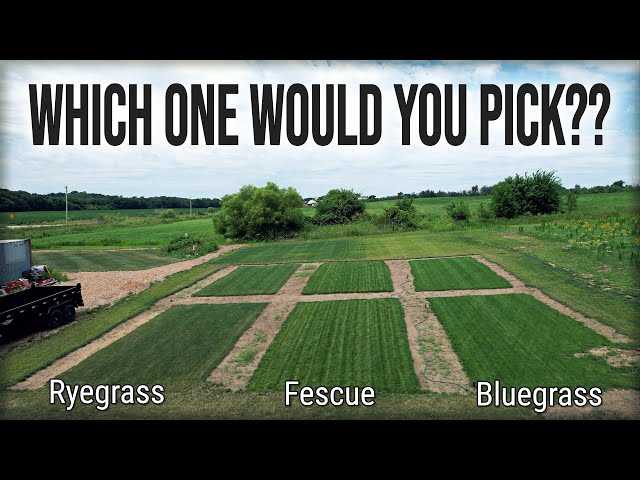
Quick Answer: The choice between ryegrass, fescue, and bluegrass depends on various factors such as climate, soil conditions, maintenance requirements, and desired aesthetic.
Are you confused about whether to plant ryegrass, fescue, or bluegrass in your lawn or pasture? Well, the decision can be overwhelming, considering the different characteristics of each grass type. But fret not, as we are here to help you make an informed choice.
Ryegrass is known for its fast germination, making it an excellent option for overseeding lawns or pasture areas. It thrives in cooler climates and is often utilized to provide temporary green coverage during the winter months.
On the other hand, fescue is a cool-season grass that is more suited to shade and drought-prone areas. It has a deep root system, making it tolerant to heat and drought conditions. Fescue grass is low-maintenance and retains its color even during the summer months.
Meanwhile, bluegrass is a popular choice for lawns due to its dense and lush appearance. It thrives in moderate climates and requires regular watering and maintenance to stay healthy and green.
Ultimately, the decision between ryegrass, fescue, and bluegrass boils down to factors such as climate, soil conditions, maintenance requirements, and desired aesthetic. So, let’s delve deeper into the characteristics of each grass type to help you make the best possible choice for your lawn or pasture.

Ryegrass vs Fescue vs Bluegrass
Introduction
When it comes to selecting the perfect grass type for your lawn, there are several options to consider. Three popular choices that often come up in discussions are ryegrass, fescue, and bluegrass. Each of these grasses has its own unique characteristics and benefits. In this article, we will delve into the details of ryegrass, fescue, and bluegrass, exploring their differences, strengths, and weaknesses.
Ryegrass
Ryegrass is known for its rapid germination and establishment, making it an excellent choice for quick results. Here are some key points to consider about ryegrass:
- Rapid growth: Ryegrass grows quickly and fills in bare spots in a short amount of time. It is often used as a temporary grass for overseeding thin lawns.
- Cool-season grass: It thrives in cooler climates and can be vulnerable to heat stress during hot summer months.
- Annual and perennial varieties: Ryegrass is available in annual and perennial forms, giving you options depending on your specific needs.
- Tolerant to heavy traffic: Ryegrass can handle heavy foot traffic and is commonly used in high-traffic areas like sports fields and parks.
Fescue
Fescue grasses are known for their adaptability and ability to grow in a variety of conditions. Here are some important details about fescue:
- Wide adaptability: Fescue grasses can thrive in both cool and warm climates, making them a versatile option for many regions.
- Drought tolerant: Fescue has the ability to withstand drought conditions, making it a popular choice for areas with limited water resources.
- Deep root system: Fescue grasses develop deep root systems, allowing them to access water and nutrients from deeper soil layers.
- Shade tolerance: Certain varieties of fescue, such as tall fescue, have excellent shade tolerance, making them ideal for lawns with tree cover.
Bluegrass
Bluegrass is often sought after for its lush, vibrant appearance and ability to form a dense, uniform lawn. Here are some important facts about bluegrass:
- Cold-season grass: Bluegrass thrives in cooler temperatures and goes dormant during hot summer months, which can leave lawns looking less vibrant.
- Self-repairing: Bluegrass has rhizomes and stolons that help it quickly spread and repair damaged areas, resulting in a self-repairing lawn.
- Fine-textured grass: Bluegrass has a fine texture, creating a soft and luxurious feel underfoot.
- Moderate maintenance: Bluegrass requires moderate maintenance, including regular watering, mowing, and fertilization, to keep it looking its best.
Factors to Consider
When choosing between ryegrass, fescue, and bluegrass, it’s important to consider various factors to ensure the best fit for your lawn. Some key factors to consider include:
- Climate: Consider your region’s climate and temperature ranges to determine which grass type will thrive the most.
- Water availability: If water resources are limited, choosing a drought-tolerant grass like fescue could be a wise choice.
- Soil type: Different grasses have different soil preferences, so knowing your soil type will help you select the most suitable grass for your lawn.
- Amount of sunlight: Assess the amount of sunlight your lawn receives to choose a grass type that matches the light conditions.
- Maintenance requirements: Consider the level of maintenance you are willing to invest in, as some grasses require more care and attention than others.
In conclusion, ryegrass, fescue, and bluegrass each offer unique qualities that make them suitable for specific lawn conditions. Ryegrass provides quick results and tolerates heavy foot traffic, while fescue excels in adaptability and drought tolerance. Bluegrass offers a lush, fine-textured lawn but requires moderate maintenance. Considering factors such as climate, water availability, soil type, sunlight, and maintenance requirements will help you make an informed decision when choosing between these grass types. Remember, the perfect grass for your lawn depends on your specific needs and preferences.
Which GRASS TYPE Is BEST For You And Your Lawn??
Frequently Asked Questions
What are the main differences between ryegrass, fescue, and bluegrass?
Ryegrass, fescue, and bluegrass are all popular choices for lawns and sports fields, but they have distinct characteristics that set them apart.
Which grass type is better for a cool-season climate?
All three grass types are suitable for cool-season climates, but fescue is particularly well-adapted to areas with colder winters and hotter summers.
Which grass type is more resistant to foot traffic?
Ryegrass and fescue are both more tolerant of heavy foot traffic compared to bluegrass, making them better choices for areas with high usage.
Which grass type requires less water?
Fescue and bluegrass are known for their drought tolerance and require less water compared to ryegrass, which has a higher water demand.
Which grass type is best for achieving a lush, dense lawn?
Bluegrass has a rhizomatous growth habit that allows it to spread and fill in bare patches, resulting in a denser lawn compared to ryegrass and fescue.
Can you mix different grass types for a lawn?
Yes, it is possible to mix different grass types to create a custom blend that combines the desirable traits of each variety. However, it is important to consider their compatibility and maintenance requirements when doing so.
Final Thoughts
In conclusion, when considering ryegrass vs fescue vs bluegrass, it is evident that each grass type has its own unique characteristics and benefits. Ryegrass provides quick establishment and lush greenery, making it ideal for temporary cover or overseeding. Fescue, on the other hand, offers excellent drought tolerance and shade resistance, making it suitable for lawns with challenging conditions. Bluegrass, known for its dense and luxurious appearance, thrives in cool climates and requires more maintenance. Understanding the specific needs and preferences of your lawn will help you make an informed decision between ryegrass, fescue, and bluegrass.