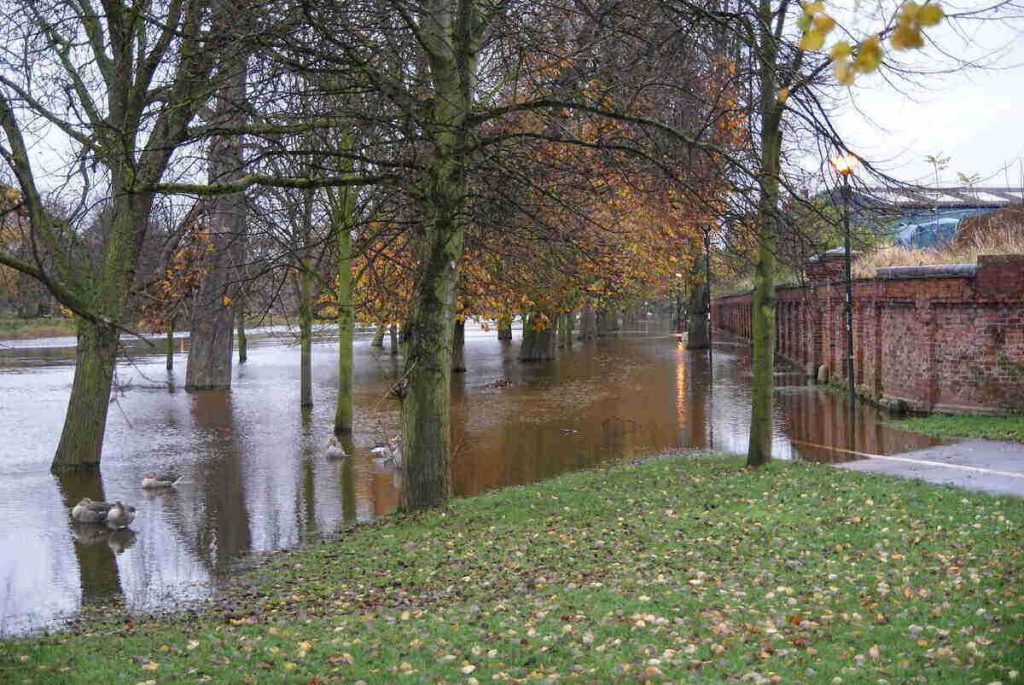
If your yard is flooding, it can be frustrating and concerning, but understanding the reasons behind it can help you find a solution. Common causes include poor drainage, compacted soil, excessive rainfall, or even landscaping features that redirect water to your yard. To tackle the problem, you might consider installing proper drainage systems, aerating the soil, or re-evaluating your landscaping design. By pinpointing the source of the flooding, you can take effective steps to keep your yard dry and healthy. Let’s dive deeper into the various reasons your yard might be experiencing flooding and explore practical solutions to help you reclaim your outdoor space.

Reasons Your Yard Is Flooding
Experiencing flooding in your yard can be concerning and frustrating. Many homeowners wonder why this happens and what they can do to remedy the situation. Understanding the reasons behind yard flooding can help you address the issue effectively. Here, we will explore various causes and solutions to the problem.
1. Poor Drainage Systems
One of the most common reasons your yard floods is inadequate drainage. If water cannot flow away from your yard properly, it stands to accumulate.
– **Soil Type**: Certain soil types, like clay, retain water more than sandy soils.
– **Landscape Slope**: If your yard is flat or has a slight incline, water may not run off as intended.
To remedy poor drainage, consider installing a French drain or surface drain system to redirect water away.
2. Heavy Rainfall
Heavy rainfall can quickly lead to flooding, regardless of your yard’s drainage situation. When the ground becomes saturated, it can no longer absorb more water.
– **Extreme Weather Events**: Intense storms can overwhelm existing drainage systems.
– **Seasonal Patterns**: Some areas experience heavy rainfall during certain seasons, increasing the likelihood of flooding.
Monitoring weather patterns and preparing ahead can help mitigate these effects.
3. Clogged Gutters and Downspouts
Clogged gutters and downspouts can contribute to flooding in your yard. When gutters are full of debris, water can overflow and pool around your home.
– **Regular Maintenance**: Clean your gutters at least twice a year to ensure they flow freely.
– **Downspout Extensions**: Consider using downspout extensions to direct water further away from your foundation.
Taking these steps can greatly reduce the risk of flooding close to your home.
4. Landscaping Issues
Improper landscaping can create problems for water runoff in your yard. If your yard has slopes or depressions that trap water, it can lead to flooding.
– **Plant Placement**: Trees and shrubs can absorb water but can also obstruct the flow if placed poorly.
– **Hardscape**: Patios, walkways, and other hardscapes can prevent water from draining effectively.
Adjusting your landscape to include slopes and drainage features can help prevent water pooling.
5. Compacted Soil
Compacted soil can lead to drainage problems, resulting in yard flooding. When soil is heavily compacted, it becomes dense and doesn’t absorb water effectively.
– **Foot Traffic**: Frequent walking on a lawn can compact the soil over time.
– **Heavy Equipment Use**: Using lawn equipment can also contribute to soil compaction.
Aerating your soil can alleviate compaction, allowing water to drain better.
6. Poor Grading
The grade of your yard is essential for directing water flow. If the grading is incorrect, water may flow toward your home instead of away.
– **Identifying the Grade**: You can use a level to see if your yard slopes away from your house.
– **Reshaping Your Yard**: If your yard is incorrectly graded, you may need to move soil around to create the right slope.
Proper grading is crucial to effectively manage water runoff.
7. Water Table Levels
In some areas, a high water table can cause consistent flooding in yards. This means that even if it hasn’t rained recently, water can still rise to the surface.
– **Seasonal Changes**: Water table levels can fluctuate with the seasons, impacting flooding risks.
– **Location**: Certain geographical areas are more prone to high water tables.
If you suspect a high water table, consult a professional for advice on managing the issue.
8. Nearby Bodies of Water
Living near lakes, rivers, or other bodies of water can significantly increase the likelihood of flooding in your yard.
– **Flooding from Rain**: Heavy rains upstream can cause water levels to rise and overflow into yards.
– **Storm Surges**: Coastal areas may experience storm surges that can lead to flooding.
Being aware of your proximity to water can help you prepare for potential flooding.
9. Irrigation Systems
Improperly functioning irrigation systems can contribute to flooding. Overwatering your lawn can create standing water, especially if the soil is already saturated.
– **Setting Timers**: Ensure your irrigation system has a timer to prevent overwatering.
– **Inspecting for Leaks**: Regularly check your system for leaks or broken parts.
Maintaining your irrigation system is essential for preventing unnecessary flooding.
10. Vegetation Choices
The types of vegetation in your yard play a significant role in how water is absorbed. Some plants do a better job of managing water than others.
– **Deep-Rooted Plants**: Consider planting trees and shrubs with deep root systems that can effectively absorb water.
– **Native Plants**: Native vegetation is often better adapted to local conditions and can manage water more effectively.
Choosing the right plants can be a natural way to reduce flooding.
11. Construction and Development
Nearby construction and development can affect water flow patterns. Changes in land use can lead to increased runoff and flooding in adjacent areas.
– **Runoff from New Developments**: Newly paved areas can increase the amount of water that runs off and into your yard.
– **Stormwater Management**: Developers should implement stormwater management practices to mitigate flooding.
Stay informed about local developments, as they may impact your yard.
12. Aging Infrastructure
Old and deteriorating drainage infrastructure can also be a significant factor in yard flooding. Over time, pipes can crack or become blocked.
– **Regular Inspections**: It’s important to inspect drainage infrastructure regularly.
– **Upgrading Systems**: In some cases, upgrading to newer systems may be necessary.
Taking care of your drainage infrastructure can prevent flooding issues.
13. Seasonal Changes
Seasonal changes often impact water absorption and drainage in your yard.
– **Freeze and Thaw Cycles**: In cold climates, freeze-thaw cycles can compact soil and affect drainage.
– **Spring Melting**: Rapid snowmelt can lead to flooding if the ground is still frozen.
Understanding seasonal changes can help you anticipate flooding.
14. Local Regulations and Codes
Local regulations and building codes can also influence drainage in your yard. Failure to comply with these standards can lead to flooding issues.
– **Building Permits**: Ensure that any major work done in your yard complies with local permits and codes.
– **Stormwater Management Plans**: Learn about regulations that require proper stormwater management practices.
Being aware of local laws can help you keep your yard free from flooding.
15. Wildlife Activity
Wildlife can also contribute to flooding issues. For instance, burrowing animals can create holes in the ground that disrupt drainage.
– **Rodent Problems**: Rodents can dig tunnels that trap water and lead to pooling.
– **Insect Activity**: Certain insects can also affect the soil structure.
Monitoring wildlife activity can help you manage potential flooding issues.
Flooding in your yard can arise from various causes, including poor drainage, heavy rainfall, and local geography. By understanding these factors, you can take proactive measures to reduce the risk of flooding. Regular maintenance, effective landscaping, and knowledge of your local environment are essential. With the right strategies in place, you can enjoy a beautiful, flood-free yard.
Standing Water in Lawn Flooding. How to remove standing water in yard from heavy rain and floods
Frequently Asked Questions
“`html
What are the common drainage issues that contribute to yard flooding?
Poor drainage systems, such as clogged gutters and downspouts, can prevent water from flowing away from your yard. Additionally, compacted soil and inadequate grading can lead to water pooling in specific areas. It’s essential to regularly maintain gutters and ensure proper landscaping to promote better drainage.
How does the landscaping design influence yard flooding?
The design of your landscape plays a significant role in managing water flow. If you have plants, trees, or hardscaping features that direct water towards lower areas, those spots may flood more easily. Consider creating swales or rain gardens to redirect and manage excess water effectively.
Can heavy rainfall alone cause my yard to flood?
Yes, heavy rainfall can overwhelm the natural absorption capacity of the soil and existing drainage systems, leading to flooding. If rain falls at a rate quicker than the ground can absorb it, water will accumulate, especially in areas with compacted soil or poor drainage.
How do soil type and condition affect water accumulation in my yard?
The type of soil in your yard determines how well it can absorb water. Sandy soils drain quickly, while clay soils retain moisture and can lead to flooding. Improving soil structure by adding organic matter can enhance its drainage capability and reduce water pooling.
What role does local construction play in flooding my yard?
New construction in your area can alter water flow patterns, directing more water towards your property. Changes like new roads, buildings, or landscaping often increase runoff and may overwhelm your yard’s drainage system. Understanding these changes can help mitigate flooding issues.
“`
Final Thoughts
Excessive rainfall, poor drainage systems, and compacted soil often lead to flooding in your yard. These factors prevent water from draining properly, causing accumulation on the surface. Additionally, landscaping choices, such as sloping flower beds, can direct water flow toward your yard.
Regular maintenance and proper landscaping can mitigate these issues. By understanding the reasons your yard is flooding, you can take steps to improve drainage and protect your property. Addressing these concerns early can help maintain a dry and healthy outdoor space.