If you’re looking to change the pH of your soil, you’re not alone. Many gardeners find the acidity or alkalinity of their soil can impact plant growth significantly. To adjust the soil pH, you can add materials like lime to raise the pH and make it more alkaline, or sulfur to lower the pH and increase acidity. It’s essential to conduct a soil test first to determine your current pH level and decide how much of these amendments you need. With a little patience and the right adjustments, you can create the ideal environment for your plants to thrive. Let’s dive into the steps you can take to successfully modify your soil pH and promote a flourishing garden.

How To Change Soil pH
Changing the pH of your soil is crucial for maintaining a healthy garden. A well-adjusted pH ensures that nutrients are available to plants, leading to vigorous growth and better yields. Knowing how to successfully alter soil pH can significantly impact the success of your gardening efforts.
Understanding Soil pH
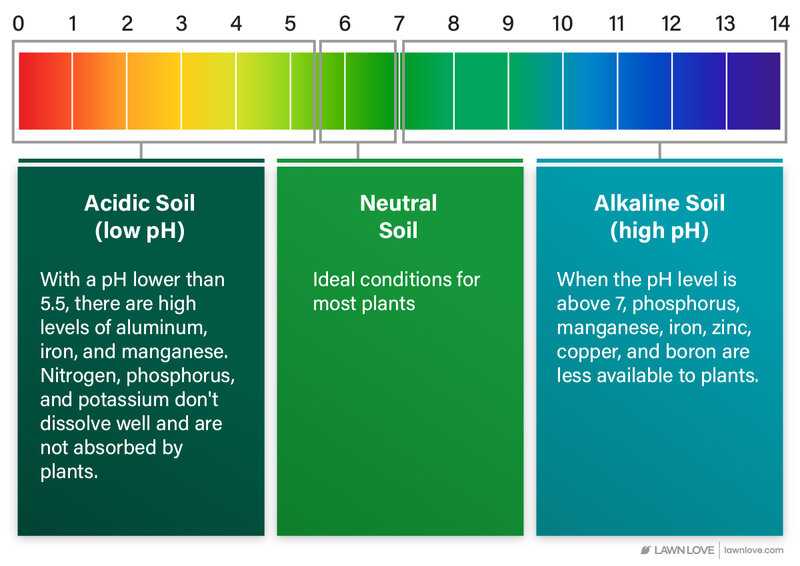
Soil pH measures how acidic or alkaline the soil is. The scale ranges from 0 to 14, with 7 being neutral. Soils with a pH below 7 are considered acidic, while those above 7 are alkaline. Understanding where your soil falls on this scale is the first step in managing its pH effectively.
Why Soil pH Matters
Soil pH affects the availability of essential nutrients. Different plants thrive in different pH levels. For instance:
- Most vegetables prefer a pH between 6.0 and 7.0.
- Blueberries thrive in more acidic soil with a pH of 4.5 to 5.5.
- Cacti and succulents prefer slightly alkaline soil with a pH around 7.0 to 8.5.
Knowing these preferences helps you choose the right plants for your garden.
Testing Your Soil pH
Before making any changes, testing your soil pH is crucial. You can purchase a simple soil pH test kit from garden centers or conduct a DIY test using common household items.
Using a Soil pH Test Kit
1. Gather a soil sample from various spots in your garden.
2. Follow the kit instructions to mix the soil with the testing solution.
3. Compare the resulting color to the included pH chart to determine your soil’s pH.
DIY Soil pH Test
You can perform a simple DIY test using vinegar and baking soda:
1. Take a soil sample and divide it into two containers.
2. Pour white vinegar into one container.
– If it fizzes, your soil is alkaline (above 7).
3. In the second container, add water and then baking soda.
– If it fizzes, your soil is acidic (below 7).
This quick method gives you a rough estimate of your soil’s pH.
Ways to Raise Soil pH
If your soil is acidic and you need to raise its pH, there are several effective methods.
Using Lime
Applying lime is one of the most common ways to increase soil pH. Ground limestone or dolomitic lime is often used.
– **Application Rate**: The amount depends on the current pH and soil type. Generally, 50 to 100 pounds per 1,000 square feet is a good starting point.
Wood Ash
You can also use wood ash from your fireplace or wood stove.
– **How to Use**: Sprinkle a thin layer on your garden and till it into the soil.
– **Caution**: Use it sparingly, as too much can raise the pH excessively.
Other Amendments
You can consider other materials to increase pH, such as:
- Bone meal
- Shell lime
- Calcium carbonate
Each of these options will vary in effectiveness based on your soil composition.
Ways to Lower Soil pH
If you find your soil is too alkaline, there are effective methods to lower its pH.
Using Sulfur
Elemental sulfur is an effective way to decrease soil pH.
– **How to Apply**: Follow the manufacturer’s instructions for application rates.
– **Time**: It may take several months to see the results.
Organic Matter
Incorporating organic matter like compost can also help.
– **Benefits**: It naturally acidifies the soil while improving its structure and nutrient content.
Other Amendments
Consider using:
- Peat moss
- Pine needles
- Acidic fertilizers (e.g., ammonium sulfate)
These amendments are excellent for gradually lowering soil pH over time.
Timing for pH Adjustment
Understanding the best time to adjust soil pH is vital for effective gardening.
Seasonal Considerations
– **Fall**: Fall is an excellent time to make adjustments, especially before winter.
– **Spring**: Early spring is also good, allowing amendments to work before planting.
Testing After Adjustment
After making changes, test your soil again after a few months. This ensures the pH is moving toward your desired range.
Maintenance of Soil pH
Maintaining the proper soil pH requires consistent monitoring and amendment.
Regular Testing
Perform soil pH tests at least once a year. This keeps you informed of any changes.
Adjusting Fertilizer Practices
Be mindful of the fertilizers you use. Some can affect soil pH.
- Use balanced fertilizers to avoid drastic changes.
- Organic fertilizers can be gentler on soil pH.
Common Mistakes to Avoid
It’s easy to make errors when adjusting soil pH.
Over-application of Amendments
Adding too much lime or sulfur at once can lead to extreme pH changes.
– **Tip**: Follow recommended application rates closely.
Ignoring Soil Type
Different soil types react differently to amendments.
– **Tip**: Sandy soils will change faster than clay soils. Account for this when deciding how much to apply.
Additional Tips for Successful pH Management
Here are some final tips to help manage your soil pH effectively.
Mulching
Applying mulch to your garden beds can help maintain moisture and promote healthier soil.
– Use organic mulches like wood chips, straw, or leaves.
Choosing the Right Plants
Select plants that are suited to your soil’s pH.
– This reduces the need for amendments and makes gardening easier.
Monitoring Weather Conditions
Heavy rain can leach nutrients from the soil, affecting pH.
– Consider this when planning your amendments.
Making necessary adjustments to soil pH helps ensure a thriving garden. This process might involve some trial and error, but with consistent monitoring and thoughtful practices, you can create the optimal conditions for your plants. Happy gardening!
How to Make Soil Acidic and Raise or Lower pH Level of Soil
Frequently Asked Questions
What signs indicate that my soil pH needs adjustment?
Several signs can indicate that your soil pH requires adjustment. If your plants show signs of nutrient deficiencies, such as yellowing leaves or stunted growth, this could be due to improper pH levels. Additionally, if you notice poor drainage or compacted soil, these may also point towards an unbalanced pH. Conducting a soil test can provide definitive information about your soil’s pH and its nutrient availability.
What materials can I use to increase soil pH?
To raise soil pH and make it more alkaline, you can use lime, specifically agricultural lime or dolomitic lime. These materials contain calcium carbonate, which helps neutralize acidity in the soil. Wood ash is another option that can increase pH levels while also adding potassium. It’s essential to apply these materials based on soil test results and to follow recommended application rates to avoid over-liming.
How do I lower the soil pH effectively?
To lower soil pH and make it more acidic, you can apply sulfur or aluminum sulfate. Elemental sulfur is a slow-acting amendment, while aluminum sulfate works more quickly. Organic materials like peat moss or pine needles can also help acidify the soil over time. Again, it’s important to monitor pH levels and apply these amendments according to your soil’s specific needs.
How often should I test my soil pH?
You should test your soil pH at least once a year to monitor changes and ensure that you maintain optimal levels for plant growth. Testing more frequently, such as every six months, can be beneficial if you are actively making amendments to adjust pH. Seasonal changes, crop rotation, and soil amendments can all affect pH, so regular testing helps you stay informed.
Can plants survive in soil with extreme pH levels?
Plants can struggle to survive in soils with extreme pH levels, either too high or too low. Most plants thrive in a pH range of 6.0 to 7.5. When pH levels fall outside this range, nutrient availability decreases, which can lead to poor growth and susceptibility to diseases. If you notice a decline in plant health, consider testing your soil and making necessary adjustments to improve pH levels.
Final Thoughts
Changing soil pH is essential for optimal plant growth and health. To acidify soil, incorporate organic materials like pine needles or sulfur, and to raise pH, add lime or wood ashes. Regular testing ensures you maintain the desired pH levels effectively.
By following these simple steps, you can successfully alter your soil’s pH. Know how to change soil pH to provide the best growing environment for your plants. A well-balanced pH supports nutrient absorption and promotes vibrant garden life.