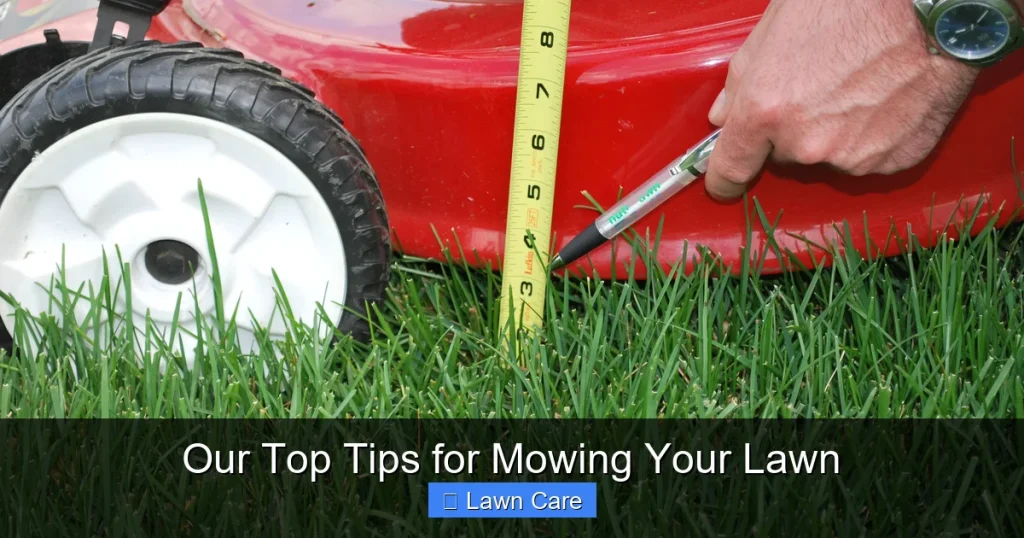
Master the art of mowing your lawn with our comprehensive guide! We’ll share our top tips to ensure your grass stays healthy, vibrant, and beautifully manicured all season long. From understanding the best cutting height to essential mower maintenance, achieve a professional-looking lawn with ease.
Our Top Tips for Mowing Your Lawn
Your lawn is more than just grass; it’s an extension of your home, a place for family fun, and a key part of your property’s curb appeal. Achieving that lush, green carpet often comes down to one of the most frequent lawn care tasks: mowing. But are you mowing your lawn correctly? It might seem simple, but a few key strategies can make a world of difference in the health and appearance of your turf. Forget about just hacking away; let’s talk about mowing your lawn like a pro.
This isn’t about winning awards for the most perfectly striped lawn (though that’s a nice bonus!). This is about fostering a strong, resilient lawn that can withstand the elements and look its best. We’ve gathered our top tips for mowing your lawn, covering everything from the basics of blade height to the importance of keeping your mower in tip-top shape. So, grab your gardening gloves, and let’s dive into how you can transform your mowing routine from a chore into a tool for lawn health.
Key Takeaways
- Mow at the Right Height: Adjust your mower to cut no more than one-third of the grass blade length at a time to prevent stress and encourage healthy growth.
- Keep Blades Sharp: Dull mower blades tear grass, leading to brown tips and increased susceptibility to diseases. Sharpen them regularly.
- Vary Mowing Patterns: Avoid mowing in the same direction every time to prevent ruts and soil compaction, promoting a more even turf.
- Maintain Your Mower: Regular cleaning, oil changes, and spark plug checks ensure your mower runs efficiently and lasts longer.
- Mow When Dry: Avoid mowing wet grass, as it can clump, clog the mower, and spread diseases.
- Mulch Clippings: Leaving grass clippings on the lawn returns valuable nutrients to the soil, acting as a natural fertilizer.
Quick Answers to Common Questions
1. How often should I mow my lawn?
The frequency of mowing depends on your grass type, the season, and how quickly it’s growing. A general rule of thumb is to mow when the grass reaches about one-third taller than your desired cutting height. This is often once a week during peak growing seasons (spring and fall) but could be more or less frequent.
2. What should I do if I hit something hard with my mower?
If you hit something hard, like a rock or root, immediately turn off the mower. Inspect the blades for damage. If they are bent, chipped, or dull, they need to be sharpened or replaced before your next mowing session. Also, check the mower deck for any damage.
3. Can I mow my lawn in the rain?
It’s generally not recommended to mow your lawn when it’s wet. Wet grass clumps together, clogs the mower, spreads diseases, and can make the mowing process unsafe. It’s best to wait until the grass has dried.
4. How do I get my lawn to look striped?
Lawn stripes are achieved by bending the grass blades in alternating directions. This is done by mowing in opposite directions in adjacent passes. Many mowers have a roller or you can add a striping kit to enhance this effect. The way light reflects off the bent blades creates the stripes.
5. Is it okay to leave grass clippings on the lawn?
Yes, leaving grass clippings on the lawn, known as mulching, is beneficial. The clippings decompose and return valuable nutrients, like nitrogen, to the soil, acting as a natural fertilizer. They also help retain soil moisture and improve soil structure.
📑 Table of Contents
1. Master the Art of the Right Cutting Height
This is arguably the most critical tip for mowing your lawn effectively. The height at which you cut your grass significantly impacts its root development, its ability to absorb water and nutrients, and its overall resilience.
The One-Third Rule
The golden rule of mowing is to never remove more than one-third of the grass blade’s length in a single mowing session. Why is this so important? When you cut too much grass at once, you shock the plant. This stress can weaken the roots, making the grass more vulnerable to drought, pests, and diseases. It also forces the plant to expend a lot of energy trying to recover, diverting resources away from healthy growth.
Think of it like a haircut. If you suddenly chopped off half your hair, you’d be pretty stunned, right? Grass feels the same way. Cutting just a little bit at a time allows it to adapt and continue its healthy growth cycle.
Seasonal Adjustments
The ideal cutting height can also vary depending on the season and the type of grass you have.
* Spring: As grass begins to grow actively, you can start at a slightly higher setting and gradually lower it as the season progresses, but always adhering to the one-third rule.
* Summer: During hot, dry periods, it’s generally best to mow at a slightly higher setting. Taller grass shades the soil, helping to retain moisture and keep the roots cooler. This can prevent browning and stress.
* Fall: Before winter dormancy, you’ll want to gradually lower your mowing height. A slightly shorter cut can help prevent matting and reduce the risk of fungal diseases overwintering in the thatch.
Know Your Grass Type
Different grass species have different ideal mowing heights. For example, fescues and ryegrasses prefer slightly taller cuts, while some Bermuda grasses can tolerate closer mowing. If you’re unsure about your grass type, a quick online search or a visit to your local garden center can help. Knowing your grass is a fundamental part of **how to care for your lawn 2**.
2. The Power of Sharp Mower Blades
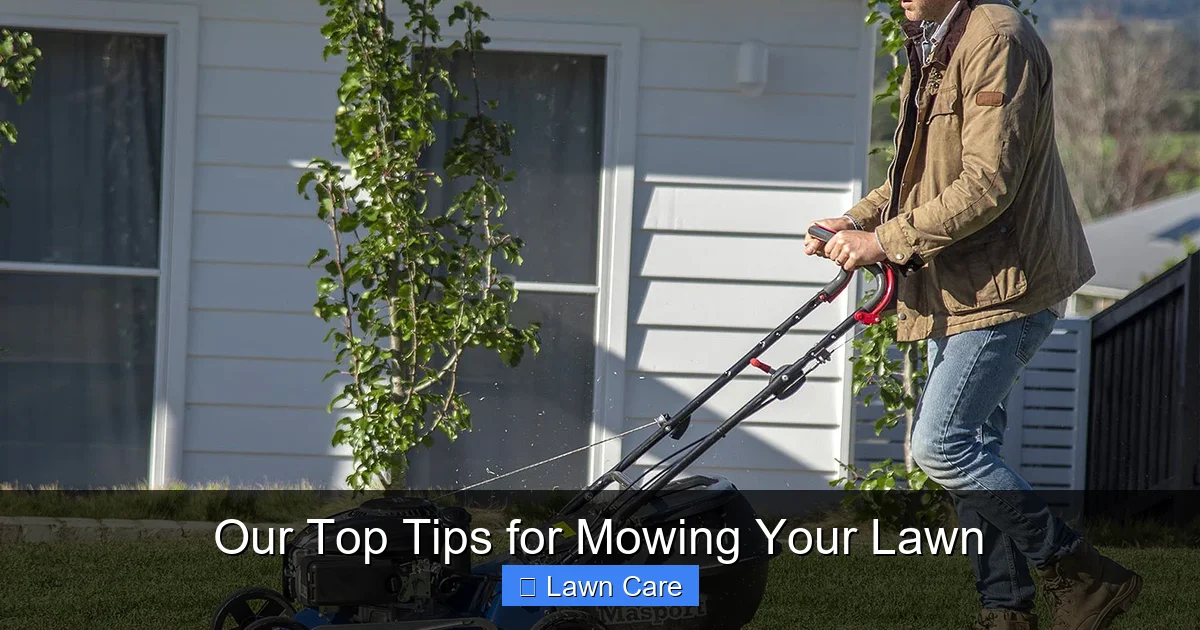
Visual guide about Our Top Tips for Mowing Your Lawn
Image source: widebayturf.com.au
This might seem obvious, but so many people overlook the importance of sharp mower blades. Dull blades don’t cut grass; they tear it. This ragged tearing leaves the grass blade ends bruised and frayed.
Why Sharp Blades Matter
* **Healthier Grass:** Clean cuts seal over quickly, preventing entry points for diseases and pests. Torn blades leave the grass vulnerable for longer.
* **Appearance:** Torn grass tips turn brown and dry, giving your lawn a sickly, uneven appearance. Sharp blades create a clean, crisp cut that looks much better.
* **Less Stress:** The tearing action of dull blades is more stressful for the grass, weakening it just like cutting too much at once.
* **Easier Mowing:** Sharp blades slice through grass with less resistance, making your mower work less hard and saving you effort.
When to Sharpen
You should aim to sharpen your mower blades at least once a year, typically in the spring before the main mowing season begins. However, if you hit rocks, sticks, or other debris, inspect your blades immediately and sharpen or replace them as needed. If you have a large lawn or mow frequently, you might need to sharpen them more often.
How to Sharpen
You can sharpen mower blades yourself with a file or a grinding wheel, or you can take them to a professional lawn equipment service center. If you’re doing it yourself, remember to remove the blade carefully, clamp it securely, and file or grind away from the cutting edge. Always ensure the blade is balanced after sharpening to prevent vibration. Investing in a good blade sharpening kit is one of the best ways to maintain your lawn.
3. Vary Your Mowing Patterns
Mowing your lawn in the same direction every single time can lead to a host of problems. You might not notice it right away, but over time, your lawn can develop issues.
Why Varying Patterns is Key
* **Prevent Ruts and Compaction:** Constantly running your mower wheels in the same tracks can compact the soil. Compacted soil makes it difficult for water, air, and nutrients to reach the grass roots, hindering growth. Varying your patterns helps distribute the weight and traffic.
* **Avoid Bent Grass Blades:** Mowing in the same direction can cause the grass blades to bend over time in that direction. Alternating patterns helps keep the grass blades growing upright.
* **More Even Cut:** Changing direction can help your mower cut grass that might have been missed or bent by previous passes, leading to a more uniform appearance.
* **Reduced Thatch Buildup:** Some believe that varying mowing patterns can help reduce the buildup of thatch (the layer of dead organic matter between the blades of grass and the soil surface).
Creative Mowing Strategies
There are many ways to mix up your mowing routine:
* **Stripes:** This classic look is achieved by mowing in alternating directions with slightly different blade angles. The light reflects differently off the blades, creating the stripes. This requires a mower with a roller or specific striping attachments.
* **Alternating Directions:** Simply mow the lawn horizontally one week, then vertically the next.
* **Circular or Diagonal Patterns:** For more adventurous homeowners, you can even try mowing in concentric circles or diagonal lines.
This ties into understanding **the best mowing patterns for a professional look** and helps maintain a healthier lawn overall.
4. Keep Your Mower in Top Condition
Your lawn mower is a machine, and like any machine, it needs regular maintenance to perform its best and last as long as possible. Neglecting your mower is like expecting your car to run forever without an oil change.
Essential Maintenance Tasks
* **Clean After Each Use:** Remove grass clippings, dirt, and debris from the mower deck, engine, and wheels. This prevents rust and buildup that can impede performance. A hose and brush usually do the trick for most debris, but for tougher buildup, you might need a scraper.
* **Check and Change Oil:** Refer to your owner’s manual for the recommended oil type and change intervals. Regular oil changes are crucial for engine health and longevity.
* **Inspect and Replace Spark Plugs:** A fouled or worn spark plug can cause starting problems and affect engine efficiency.
* **Check Air Filter:** A clogged air filter restricts airflow to the engine, reducing power and efficiency. Clean or replace it as recommended.
* **Fuel System:** For gas mowers, use fresh fuel and consider a fuel stabilizer, especially if storing the mower for an extended period.
* **Tire Pressure:** Ensure tires are properly inflated for smooth operation and a consistent cut.
Investing in Your Mower
Taking care of your mower isn’t just about its lifespan; it’s about efficiency. A well-maintained mower cuts more effectively, is easier to push or maneuver, and is less likely to break down at a critical moment. For many, choosing the right mower is a big decision, and knowing **how to choose the right lawn mower for your yard** is the first step to a great mowing experience.
5. Mow When the Grass is Dry
This is a simple but often overlooked tip for mowing your lawn. Mowing wet grass might seem like a way to get the task done quickly, but it’s generally not recommended.
The Downsides of Mowing Wet Grass
* **Clogging and Clumping:** Wet grass clippings are heavy and sticky. They tend to clump together and can easily clog your mower’s deck and discharge chute. This leads to uneven cutting and can even stop your mower in its tracks.
* **Uneven Cut:** Clumped grass doesn’t fall evenly onto the lawn. You’ll end up with unsightly piles of clippings, which can smother the grass underneath and create brown patches.
* **Spreading Diseases:** Many lawn diseases thrive in moist conditions. If your grass is wet, you can easily spread fungal spores from one part of your lawn to another, or even to other people’s lawns.
* **Safety Hazard:** Wet grass can make your mower slippery, increasing the risk of slips and falls. It can also make the mower harder to control.
When to Mow
The best time to mow is usually in the mid-morning after the dew has evaporated but before the heat of the day sets in. This ensures the grass is dry and the temperature is still manageable for you and your equipment. If you absolutely must mow during a damp period, consider using a mulching mower and setting it to a higher cut, and be prepared to rake up any clumps. If you’re really struggling with mowing schedules, **the best lawn maintenance tips for busy homeowners** might be worth a look.
6. The Benefits of Mulching Your Clippings
When you mow your lawn, you create grass clippings. What do you do with them? Many people bag them up and throw them away. However, leaving your grass clippings on the lawn, a process called mulching, can be incredibly beneficial for your grass.
Why Mulch Your Clippings?
* **Natural Fertilizer:** Grass clippings are packed with nutrients, including nitrogen, phosphorus, and potassium, which are essential for healthy grass growth. As they decompose, they release these nutrients back into the soil, acting as a free, natural fertilizer.
* **Moisture Retention:** The layer of mulched clippings can help retain moisture in the soil, reducing the need for frequent watering.
* **Improves Soil Structure:** As the clippings break down, they add organic matter to the soil, improving its structure, aeration, and drainage over time.
* **Reduces Waste:** Instead of sending organic material to the landfill, you’re recycling it right back into your lawn.
How to Mulch Effectively
Not all mowers are designed for mulching, and even with a mulching mower, there are best practices.
* **Use a Mulching Mower:** These mowers have special decks and blades designed to chop clippings into very fine pieces so they can easily decompose.
* **Mow Regularly:** Mulch when the grass is dry and when you’re only removing about one-third of the blade length. This ensures the clippings are small and won’t form dense mats.
* **Avoid Over-Mulching:** If you’ve let your grass grow too long, or if you have extremely dense grass, you might need to bag or rake some clippings to prevent smothering the lawn.
* **Don’t Mulch Diseased Grass:** If your grass is showing signs of disease, it’s best to bag the clippings to avoid spreading the infection.
Mulching is a simple yet effective way to improve your lawn’s health and reduce your lawn care workload. It’s a key part of **proper lawn mowing techniques, tips, and tricks for a perfectly manicured lawn**.
Conclusion
Mowing your lawn doesn’t have to be a mundane chore. By implementing these top tips, you can transform your mowing routine into a powerful tool for cultivating a healthier, more vibrant, and more beautiful lawn. Remember to mow at the right height, keep your blades sharp, vary your patterns, maintain your mower, mow when dry, and consider the benefits of mulching. Each of these steps contributes to a stronger, more resilient turf that will not only look great but also be better equipped to handle the challenges of weather and pests. A well-mowed lawn is a sign of a well-cared-for home, and with these tips, you’re well on your way to achieving lawn perfection. Happy mowing!
Frequently Asked Questions
What is the best time of day to mow my lawn?
The best time to mow is typically mid-morning, after the dew has evaporated but before the hottest part of the day. This ensures the grass is dry, preventing clumping and disease spread, and allows you to avoid the most intense heat.
How can I prevent brown patches on my lawn after mowing?
Brown patches can result from mowing too short, using dull blades, or mowing wet grass. Ensure you’re mowing at the correct height (never more than one-third of the blade), keep your mower blades sharp, and always mow when the grass is dry.
What should I do if my grass grows very fast and I can’t mow often enough?
If your grass grows exceptionally fast, consider adjusting your mowing height slightly higher. This can sometimes slow down the growth rate. You might also need to mow more frequently, even if it’s just a lighter trim, to avoid removing too much at once.
Can I mow over small twigs or debris?
It’s best to avoid mowing over twigs or debris if possible. Small twigs can dull or damage your mower blades, and larger debris can cause significant damage to the mower or be thrown as projectiles. Always do a quick sweep of your lawn for any potential hazards before mowing.
How do I know when my mower blades need sharpening?
Signs that your mower blades need sharpening include ragged, torn grass tips that look frayed or brown, and the mower struggling to cut through even moderately thick grass. If your mower is consistently jamming or not cutting cleanly, it’s time for sharpened blades.
What is thatch, and how does mowing relate to it?
Thatch is a layer of dead grass stems and roots that accumulates between the green grass blades and the soil. While mowing itself doesn’t directly cause thatch, mowing too low or mulching excessively in damp conditions can contribute to its buildup. Proper mowing height and varying patterns help manage thatch.