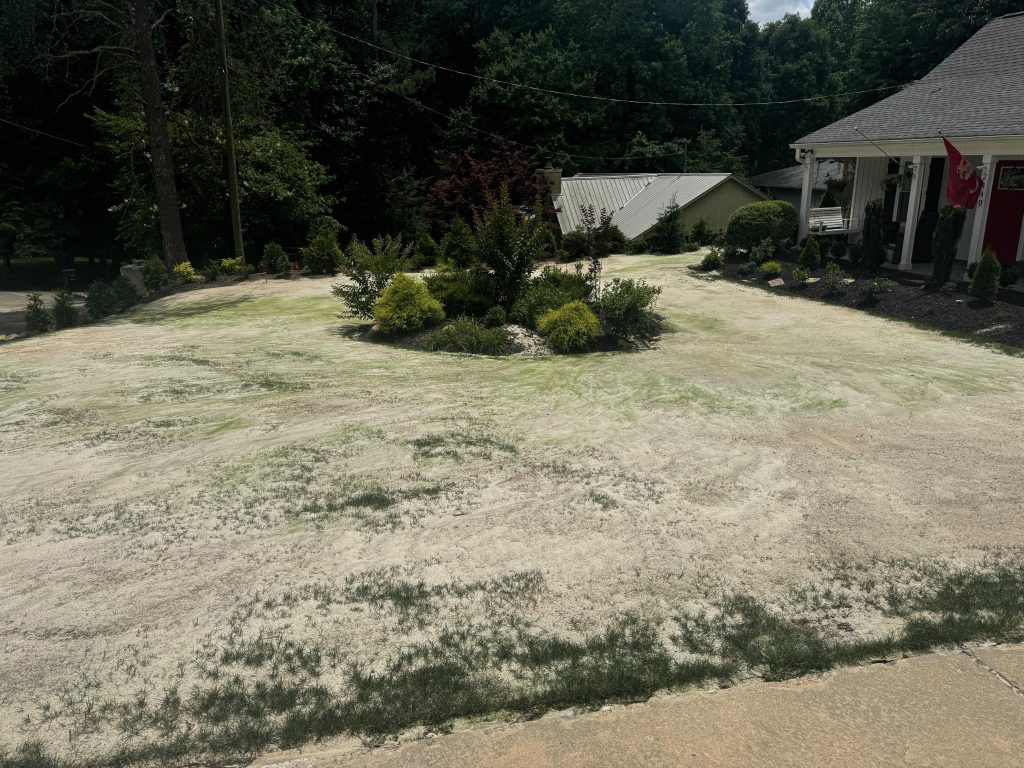
Yes, sand can be beneficial for Bermuda grass, but it depends on the soil conditions and how it’s used. When properly incorporated, sand can improve drainage and reduce soil compaction, helping Bermuda grass thrive. However, too much or poorly applied sand can harm your lawn, so understanding the right approach is key.
Sand can be good for Bermuda grass if used correctly, especially in areas with heavy clay soil that retains too much water. It enhances drainage and aeration, promoting healthier root growth. Still, applying the right amount and type of sand is crucial to avoid damaging the root system or creating uneven surfaces. If you’re considering using sand, it’s best to evaluate your soil type and consult proper lawn care practices to ensure your Bermuda grass benefits from this addition.

Is Sand Good for Bermuda Grass?
Understanding Bermuda Grass and Its Growing Needs
Bermuda grass is a warm-season turfgrass popular in many lawns and sports fields. It thrives in hot, sunny environments and prefers well-drained soil. To keep Bermuda grass healthy, it needs proper soil conditions, adequate watering, and the right nutrients.
Soil quality impacts its growth significantly. If the soil is too compacted or retains too much water, Bermuda grass may struggle. Farmers and homeowners often consider soil amendments to improve grass health. One common idea is adding sand to the soil.
Why Do People Consider Adding Sand to Soil?
Adding sand to soil is a common practice to improve drainage. People believe that sand can make soil less dense and prevent water from pooling. It is also thought to help Bermuda grass roots grow more deeply and spread better.
Some even see sand as a way to create a more natural, sandy environment similar to coastal areas where Bermuda grass naturally grows. But is this idea actually beneficial in practice?
The Benefits of Sand for Bermuda Grass
Sand can offer several advantages for Bermuda grass if used correctly. These benefits include:
- Improved drainage: Sand helps water flow through the soil more quickly, reducing pooling and waterlogging.
- Increased soil aeration: It allows roots to access more oxygen, which is vital for healthy growth.
- Reduced soil compaction: When soil becomes compacted, roots struggle to grow. Sand can loosen dense soil, making it easier for roots to expand.
- Better heat reflection: In hot climates, sand can reflect sunlight, helping keep soil cooler.
Potential Drawbacks of Using Sand with Bermuda Grass
While sand can be beneficial, there are also risks involved. Overdoing it or using the wrong type of sand can harm Bermuda grass. Some potential negatives include:
- Soil imbalance: Adding too much sand can create a layer that even water cannot penetrate properly.
- Poor soil structure: Not all sands are equal; some can compact or alter the soil’s natural texture badly.
- Cost and effort: Large amounts of sand are expensive and require significant work to incorporate properly.
- Possible introduction of contaminants: Not all sands are clean or free of impurities, which could harm grass or soil health.
What Types of Sand Are Suitable for Bermuda Grass?
Choosing the right sand is crucial for successful soil amendment. The best options are clean, coarse, and well-draining sand types. These include:
- Silica Sand: Highly recommended for turfgrass improvement due to its clean, coarse texture.
- Playground Sand: Usually safe but must be free of contaminants and fine particles.
- Construction Sand: Often suitable if it is washed and free of debris, clay, or silt.
Avoid fine, dense sands like beach or mortar sand, as they tend to compact and reduce drainage.
How to Properly Incorporate Sand into Soil for Bermuda Grass
Step 1: Test Your Soil
Start with a soil test to determine the current soil composition and pH level. This helps decide how much sand to add and whether other amendments are needed.
Step 2: Choose the Correct Sand Type
Select coarse, washed sand that is free of silt and clay. This type will improve drainage without causing compaction.
Step 3: Calculate the Amount Needed
Generally, amending soil with a 50/50 mix of existing soil and sand is effective. Use a soil test to guide the exact percentage.
Step 4: Mix the Sand into the Soil
Spread the sand evenly over the soil surface and till or aerate to incorporate it thoroughly. This ensures even distribution and better root contact.
Step 5: Water and Monitor
Water the area well after mixing to help settle the sand. Keep an eye on drainage and grass health to assess the effectiveness of the amendment.
Maintaining a Healthy Bermuda Grass Lawn
Adding sand is just one part of maintaining Bermuda grass. Regular fertilizing, watering, and mowing are essential for lush, green turf. Proper soil pH levels, ideally around 5.8 to 7.0, promote healthy nutrient uptake.
Other Soil Improvements to Consider
Along with sand, consider adding organic matter such as compost to improve soil fertility and structure. Organic amendments can work together with sand to create an optimal environment for Bermuda grass.
Common Mistakes to Avoid When Using Sand
- Adding too much sand at once, which can create a layer that prevents water penetration.
- Using inappropriate sand types that compact or contain contaminants.
- Neglecting regular soil testing to monitor changes and adjust amendments accordingly.
- Ignoring other essential lawn care practices like mowing and fertilization.
Does Climate Affect the Use of Sand with Bermuda Grass?
Yes, climate plays a role in how effective sand amendments can be. In hot, dry regions, sand helps improve drainage and reflect heat. In humid areas, proper drainage becomes critical to prevent fungal diseases.
Understanding local weather patterns helps determine whether adding sand will benefit your Bermuda grass lawn.
Related Topics to Explore
Soil Testing and Soil Amendments
Regular testing guides your amendments. It helps you understand pH, nutrient levels, and soil texture.
Proper Lawn Watering Techniques
Efficient watering ensures Bermuda grass remains healthy and promotes deep root growth.
Best Fertilizers for Bermuda Grass
Using the right fertilizers at the correct times supports lush, dense growth.
Understanding Soil pH and How to Adjust It
Maintaining the right pH optimizes nutrient availability for Bermuda grass.
Summary
Adding sand to Bermuda grass soil can improve drainage, aeration, and root growth when done correctly. However, it’s essential to select suitable sand types and avoid overapplication to prevent issues. Combining sand with other soil amendments and proper lawn care ensures a healthy, vibrant Bermuda grass lawn that withstands different weather conditions.
The Best Sand For Lawn Leveling Is…
Frequently Asked Questions
What are the benefits of adding sand to Bermuda grass soil?
Adding sand to Bermuda grass soil can improve drainage and reduce compaction, which helps roots grow more freely. It also levels uneven areas, creating a smoother playing surface. Properly balanced sand encourages healthy root development and can lead to a more resilient and vibrant lawn.
How does sand influence the health of Bermuda grass during drought conditions?
Sand improves water drainage, preventing excess water retention that can lead to root diseases. This drainage capability allows the soil to dry out more quickly during droughts, reducing stress on Bermuda grass. As a result, the grass maintains better health and resilience when water becomes scarce.
What types of sand are suitable for Bermuda grass lawns?
Coarse, well-drained sands such as sharp or builder’s sand work best for Bermuda grass. These sands have larger particles that promote better drainage. Avoid using fine sands like play or beach sand, as they can compact easily and hinder water movement, which may harm the grass.
Can over-application of sand harm Bermuda grass?
Yes, applying too much sand can smother Bermuda grass or create a layer that blocks sunlight and air from reaching roots. Excessive sand can also lead to poor drainage and compacted soil beneath it. Always apply sand in moderation and follow recommended guidelines for your lawn’s specific needs.
Should I mix sand with organic matter for Bermuda grass growth?
Mixing sand with organic matter, like compost, can benefit Bermuda grass by improving soil fertility and structure. This combination enhances water retention where needed while maintaining good drainage. It creates a balanced environment that supports healthy, vigorous growth.
Final Thoughts
Sand can improve bermuda grass by enhancing drainage and reducing compaction. It helps create a looser soil structure, encouraging healthy root growth. However, too much sand may lead to a patchy lawn if not balanced with organic matter.
In summary, is sand good for bermuda grass? Yes, when used correctly, sand promotes healthy growth and better soil conditions for bermuda grass. Proper application ensures a lush, durable lawn.