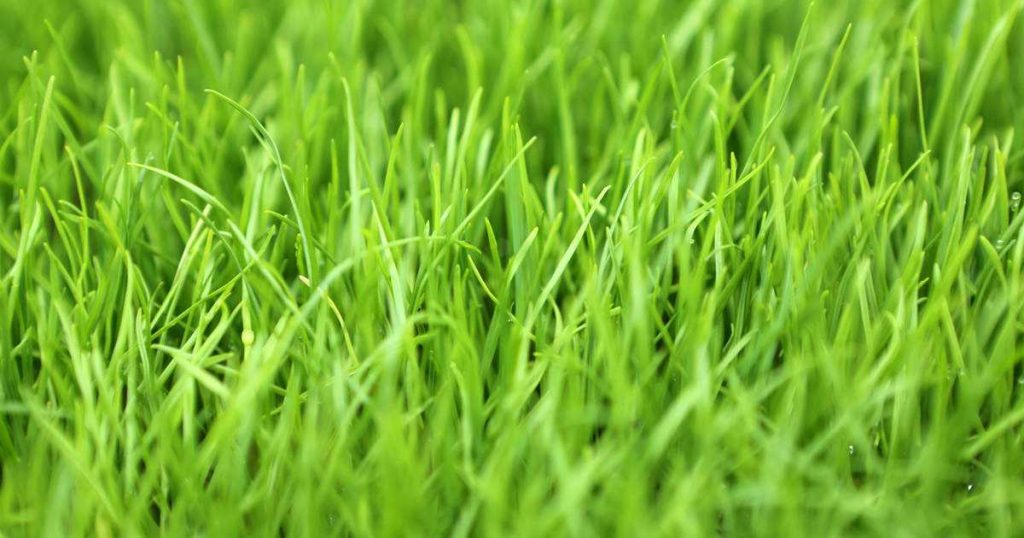
Yes, perennial ryegrass is an excellent choice for many lawns and sports fields because of its durability and vibrant green color. It establishes quickly, provides excellent wear resistance, and stays lush throughout the growing season. However, whether it’s the right fit depends on your specific climate and lawn needs.
Perennial ryegrass is widely regarded as a top-tier grass for those seeking a fast-establishing, resilient, and visually appealing turf. Its quick germination and ability to tolerate heavy foot traffic make it popular for sports fields and high-traffic areas. Plus, it blends well with other grasses, enhancing the overall lawn quality. But, it thrives best in cooler climates and requires regular maintenance to prevent disease and keep it looking its best.
If you’re contemplating whether perennial ryegrass is suitable for your lawn, you’ll want to consider your local climate, soil conditions, and how much time you’re willing to dedicate to lawn care. It can be a fantastic option for a lush, durable grass, especially if you need quick results and a resilient surface for outdoor activities.

Is Perennial Ryegrass Good? A Complete Guide
Introduction to Perennial Ryegrass
Perennial ryegrass is a popular choice for lawns, sports fields, and pastures. It is known for its rapid germination and quick establishment. Many homeowners and landscapers ask, “Is perennial ryegrass good?” to determine if it suits their needs.
What Is Perennial Ryegrass?
Perennial ryegrass is a cool-season grass that belongs to the Lolium family. It is perennial, meaning it regrows year after year. Its roots grow deep, making it resilient and adaptable to various soil types.
Key Characteristics of Perennial Ryegrass
- Fast germination: Usually within 7 to 14 days.
- Bright green color: Adds aesthetic appeal to lawns.
- High wear tolerance: Perfect for sports fields and heavily used lawns.
- Quick recovery: Bounces back after being damaged or compacted.
Advantages of Using Perennial Ryegrass
Rapid Establishment
One of the biggest benefits of perennial ryegrass is how quickly it germinates. Its fast growth allows for a lush, green lawn in just a few weeks. This makes it ideal for urgent landscaping projects or repairs.
Excellent Wear Tolerance
This grass type withstands heavy foot traffic better than many other grasses. It is suitable for areas like playgrounds, sports fields, and busy yards where durability is essential.
Ease of Maintenance
Perennial ryegrass requires minimal care once established. Regular mowing, occasional watering, and fertilization keep it healthy. Its resilience reduces the need for frequent reseeding or repairs.
Good Compatibility with Other Grasses
It blends well with other cool-season grasses like Kentucky bluegrass and fine fescues. This compatibility helps create diverse, full, and visually appealing lawns.
Challenges and Limitations of Perennial Ryegrass
Susceptibility to Disease
While hardy, perennial ryegrass can be prone to diseases like rust, leaf spot, and dollar spot, especially in humid or wet conditions. Proper aeration and fungicide applications can help mitigate these issues.
Limited Drought Tolerance
Perennial ryegrass prefers consistent moisture. It does not tolerate extended drought conditions well, which can cause browning and thinning of the turf.
Maintenance During Hot Weather
In hot summer months, this grass can struggle if not properly watered. Overheating may lead to stress and decline, so additional watering and shade management might be necessary.
Best Uses for Perennial Ryegrass
Perennial ryegrass is ideal for specific purposes:
- Sports fields and lawns: Its resilience makes it perfect for high-traffic areas.
- Temporary lawns: Quick to establish for events or temporary setups.
- Seeding bare patches: Repairs where quick coverage is needed.
It is not the best choice for very dry or shaded areas, as other grasses may perform better under those conditions.
Growing and Caring for Perennial Ryegrass
Optimal Planting Conditions
For successful growth, perennial ryegrass prefers:
- Soil temperature between 50°F and 75°F
- Well-drained, fertile soil rich in organic matter
- Full sun to partial shade
Seeding and Establishment Tips
– Use high-quality seed to ensure germination success.
– Sow seeds at a rate of about 20 to 30 pounds per acre for large areas.
– Lightly rake the soil after seeding to improve seed-to-soil contact.
– Keep soil consistently moist during germination.
Watering and Fertilization
– Water daily during germination and early growth.
– Fertilize with a balanced fertilizer to promote dense growth.
– Adjust watering based on weather conditions to prevent drought stress.
Maintenance Tips for Longevity and Health
– Mow regularly at about 2 to 3 inches height.
– Remove clippings to prevent disease buildup.
– Aerate the soil annually to reduce compaction.
– Overseed to maintain density and fill bare patches.
– Monitor for pests and diseases, applying treatments promptly.
Comparing Perennial Ryegrass to Other Cool-Season Grasses
| Grass Type | Germination Speed | Wear Tolerance | Drought Resistance | Maintenance Needs |
|---|---|---|---|---|
| Perennial Ryegrass | Fast | High | Moderate | Low to Moderate |
| Kentucky Bluegrass | Moderate | Moderate | Good | Moderate |
| Fescue | Slow | Moderate | High | Low |
Is Perennial Ryegrass Good for Your Lawn?
If you need a lawn that establishes quickly and withstands heavy use, perennial ryegrass is a top option. Its advantages outweigh most limitations in suitable conditions. However, for drought-prone areas, consider alternative grasses or blends.
Related Topics to Consider
– Lawn overseeding techniques
– Soil testing for optimal grass growth
– Combining perennial ryegrass with other grasses for a balanced lawn
– Seasonal care tips for cool-season grasses
Perennial ryegrass offers many benefits for lawns requiring quick establishment and durability. Its adaptability and ease of care make it a valuable choice for many outdoor spaces, especially when used appropriately in suitable climates and conditions.
Perennial Ryegrass Pros and Cons
Frequently Asked Questions
What are the advantages of planting perennial ryegrass in a lawn?
Perennial ryegrass offers quick germination and establishment, making it an excellent choice for creating a lush, green lawn in a short period. It forms dense turf which helps suppress weeds and reduces soil erosion. Additionally, it tolerates frequent foot traffic, making it ideal for active outdoor spaces. Its adaptability to various soil types and climates further enhances its appeal for lawn owners seeking a reliable and visually appealing grass.
How well does perennial ryegrass withstand foot traffic and wear?
Perennial ryegrass is known for its resilience under frequent foot traffic. It recovers quickly after being stepped on or damaged, maintaining a healthy and vibrant appearance. This quality makes it suitable for sports fields, parks, and family’s backyard lawns where high activity levels are common. Its ability to regenerate helps preserve an even and inviting surface over time.
Can perennial ryegrass handle different climatic conditions?
Perennial ryegrass adapts well to a range of temperate climates. It performs best in regions with moderate rainfall and temperatures but can struggle in very hot or dry conditions without proper watering and maintenance. In cooler seasons, it stays green and healthy, providing year-round aesthetic appeal if managed carefully. For more extreme or variable climates, combining it with other grass types could improve overall lawn performance.
What are some maintenance considerations for perennial ryegrass lawns?
Maintaining a lawn with perennial ryegrass requires regular mowing, watering, and fertilization. It benefits from frequent mowing to keep it dense and healthy, typically at heights of 1.5 to 2.5 inches. Consistent watering ensures it stays lush, especially during dry periods, while fertilization promotes vigorous growth. Overseeding may be necessary to maintain density and address any patchy areas over time.
Final Thoughts
Perennial ryegrass offers many advantages, including quick establishment and excellent wear tolerance. It thrives in cool seasons and provides a lush green appearance, making it popular for lawns and sports fields.
This grass type requires regular maintenance to stay healthy and vibrant. Its adaptability makes it suitable for various soil types and climates.
In conclusion, is perennial ryegrass good? Yes, especially for those seeking fast-growing, resilient turf. It remains a preferred choice for many users seeking reliable performance and aesthetic appeal.