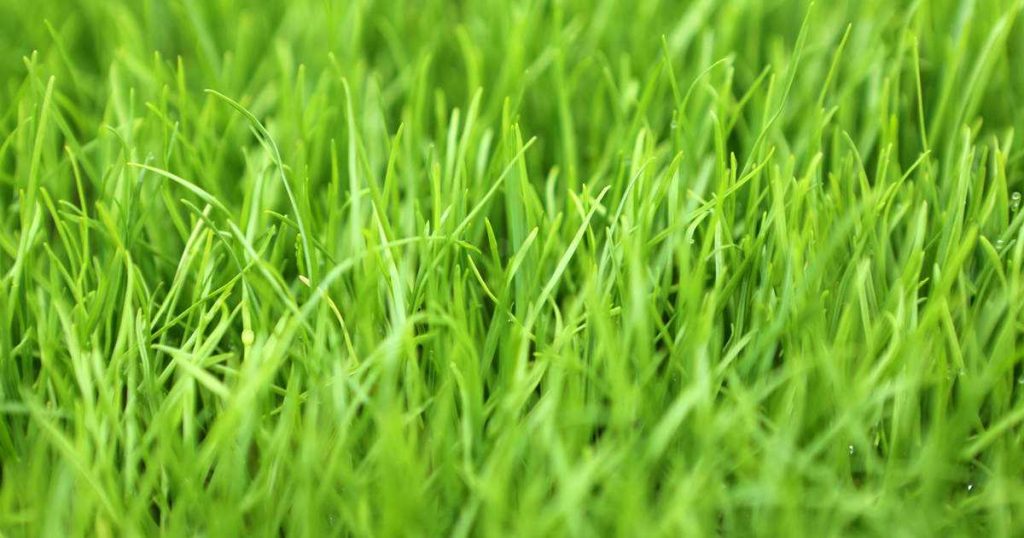
Perennial ryegrass is an excellent choice for those seeking a lush, durable lawn that stays green throughout most of the year. It’s highly regarded for its quick germination, fine texture, and ability to withstand foot traffic, making it popular for sports fields and recreational areas. Overall, perennial ryegrass is a good option for creating a vibrant, resilient lawn that requires moderate maintenance.
Perennial ryegrass is considered a very good grass for lawns, especially in cooler climates. It establishes quickly and provides a dense, attractive cover, but it may not be the best choice for very hot or drought-prone areas. Properly maintained, it can give you a beautiful, hardy lawn that lasts for years.
If you’re wondering whether perennial ryegrass is a good fit for your yard, you’re in the right place. This grass type is known for its rapid growth, bright green color, and resilience under regular use, making it ideal for homeowners and sports facilities alike. Its fast establishment is perfect if you want quick coverage and a lush appearance. However, it does have some drawbacks, such as low drought tolerance and the need for reseeding or overseeding in some climates. Overall, if your climate supports it and you’re willing to maintain it, perennial ryegrass can be a fantastic, long-lasting option for a vibrant lawn.

Is Perennial Ryegrass Good? An In-Depth Look
What Is Perennial Ryegrass?
Perennial ryegrass is a popular cool-season grass often used in lawns, sports fields, and pastures. It is known for its quick germination and lush green appearance. This grass can grow back every year, making it a perennial.
Key Characteristics of Perennial Ryegrass
Perennial ryegrass has fine-textured blades that form dense turf covers. It thrives in cooler temperatures but can tolerate moderate heat. Its rapid growth helps it outcompete weeds, maintaining a clean and neat lawn.
Advantages of Using Perennial Ryegrass
Fast Germination and Growth
One of the main benefits is how quickly it establishes. Seeds typically sprout within seven to ten days after planting, providing quick coverage. This makes it ideal for overseeding or repairing damaged areas.
Beautiful, Dense Turf
Perennial ryegrass creates a thick, even surface perfect for high-traffic areas. Its dense nature helps prevent soil erosion and weed invasion. It also provides an attractive, vibrant green look.
Good Wear Tolerance
This grass holds up well to foot traffic and recreational activities. It recovers quickly from damage, making it suitable for sports fields and play areas.
Compatibility with Other Grasses
Perennial ryegrass blends well with other cool-season grasses such as Kentucky bluegrass and fescues. This creates resilient lawns with diverse features.
Disadvantages of Perennial Ryegrass
Limited Drought Tolerance
Perennial ryegrass needs consistent moisture to stay healthy. It does not perform well in drought conditions and may turn brown without watering.
Cold Sensitivity
While it thrives in cooler weather, long periods of freezing temperatures can damage the grass. It may not be the best choice for very cold climates without proper care.
Shorter Lifespan
Compared to some other grasses, perennial ryegrass may not last as long. It can decline after several years without overseeding or renovation.
Susceptibility to Disease
It is prone to fungal diseases like rust and brown patch, especially in humid environments. Proper maintenance and good air circulation can help prevent issues.
Best Uses for Perennial Ryegrass
Lawns and Decorative Areas
Due to its vibrant color and quick establishment, it’s a popular choice for lawns that need fast results. It also looks great when combined with other grasses.
Sports Fields and Recreation Areas
Its wear tolerance and quick recovery make it a top pick for sports grounds and play areas. Regular maintenance keeps it in good shape for active use.
Pasture and Grazing
Farmers appreciate its high yield and palatability for grazing. It helps maintain healthy livestock by providing fresh, nutritious forage.
Growing and Maintaining Perennial Ryegrass
Planting Tips
Choose high-quality seeds suited for your climate. Sow in early fall or spring for best results, ensuring the soil is prepared and well-drained.
Watering and Fertilizing
Keep the soil consistently moist during germination. Use a balanced fertilizer to promote healthy growth, especially during peak seasons.
Maintenance Practices
Regular mowing at heights of 2.5 to 3 inches keeps the grass healthy. Aeration and dethatching can improve soil health and prevent disease.
Comparing Perennial Ryegrass with Other Grasses
| Feature | Perennial Ryegrass | Fescue | Kentucky Bluegrass |
|---|---|---|---|
| Germination Speed | Fast (7-10 days) | Moderate | Slow |
| Temperature Tolerance | Cool-season | Cool-season | Cool-season |
| Wear Resistance | Excellent | Good | Fair |
| Drought Tolerance | Low | Moderate | Moderate |
| Longevity | Short to medium | Medium to long | Long |
Related Topics to Consider
Choosing the Right Grass for Your Climate
Understand your local weather patterns to select grasses that will thrive naturally in your area.
Soil Preparation for Better Growth
Proper soil testing and amendments can improve the establishment and health of perennial ryegrass.
Seasonal Care Tips
Adjust watering, mowing, and fertilizing schedules with the changing seasons for optimal growth.
Pest and Disease Management
Prevent issues by practicing good hygiene, aeration, and timely fungicide applications when necessary.
Overseeding and Lawn Renovation
Perennial ryegrass is often used for overseeding to rejuvenate lawns and improve turf density. Proper techniques ensure successful results.
Environmental Impact and Sustainability
Opting for native and drought-tolerant grasses can reduce water consumption and chemical use, promoting eco-friendly lawns.
Final Thoughts on Whether Perennial Ryegrass Is Good
Perennial ryegrass is an excellent choice for creating quick, lush, and resilient lawns in suitable climates. Its fast germination and high wear tolerance benefit sports fields and recreational areas. However, it requires proper watering and maintenance to succeed, especially in drought-prone or very cold regions. When used thoughtfully and combined with other turf options, perennial ryegrass can be a valuable addition to your outdoor space.
Perennial Ryegrass Pros and Cons
Frequently Asked Questions
What are the advantages of planting perennial ryegrass in a lawn?
Perennial ryegrass offers quick germination and establishment, providing a lush, green surface in a short period. Its dense growth pattern helps suppress weeds and improves overall lawn durability. Additionally, it adapts well to diverse soil types and tolerates regular mowing, making it a popular choice for both recreational and ornamental lawns.
How well does perennial ryegrass perform in different climates?
Perennial ryegrass thrives best in cooler to temperate climates, where it maintains its vibrancy and density. While it can withstand some warm temperatures, prolonged heat may cause it to brown or thin out. Proper irrigation and maintenance can extend its effectiveness in warmer areas, but for extreme heat, homeowners often consider alternative grass varieties.
Is perennial ryegrass resistant to pests and diseases?
Perennial ryegrass exhibits good resistance to common pests and diseases, especially when maintained properly. Regular mowing, fertilization, and aeration help keep the grass healthy and minimize vulnerabilities. However, it can still be susceptible to fungal infections or insects if neglected, so monitoring and prompt treatment remain essential for its longevity.
Final Thoughts
Perennial ryegrass is an excellent choice for lawns and sports fields due to its quick establishment and durability. It thrives in moderate climates and recovers well after heavy use. Its fine texture provides a lush appearance that enhances outdoor spaces.
This grass variety also requires moderate maintenance, making it suitable for homeowners and professionals alike. Proper watering and occasional fertilization keep it vibrant and healthy. It adapts well to various soil types, ensuring versatile application.
In conclusion, is perennial ryegrass good? Yes, it offers excellent resilience, aesthetic appeal, and ease of care. Its benefits make it a popular option for many turf projects, confirming its value in various settings.