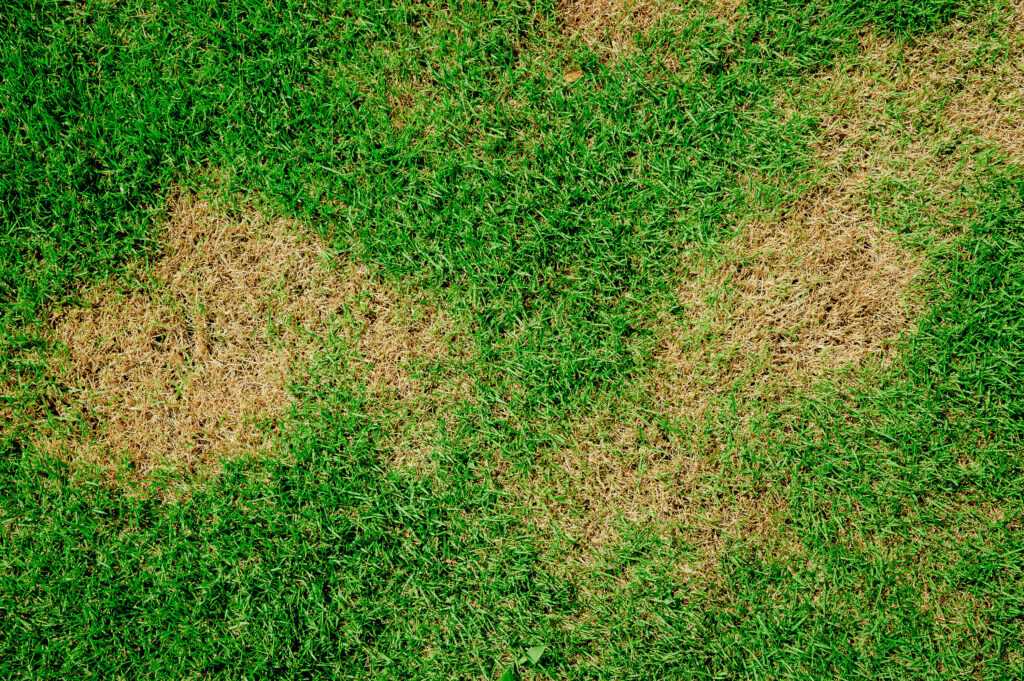
Lawn rust, a common fungal disease that affects grass, can be concerning for pet owners wondering about its potential impact on dogs. The good news is that lawn rust is generally not harmful to dogs. While it can cause allergic reactions in some pets due to spores, the risk is minimal, especially if your furry friend is healthy and not prone to allergies. However, it’s always wise to keep an eye on their behavior and any unusual symptoms. Regular lawn maintenance, like mowing and watering, can help reduce the incidence of lawn rust and keep your yard safe for your pets. So, while lawn rust itself isn’t a major threat, staying informed and proactive is key to ensuring your dog’s well-being.

Is Lawn Rust Harmful to Dogs?
Lawn rust is a common lawn disease caused by fungi that create orange or yellow patches on grass. While it may not seem like a direct threat to pets, many pet owners wonder, **is lawn rust harmful to dogs**? To answer this question, we need to explore the nature of lawn rust, its effects on dogs, and how to manage it effectively.
Understanding Lawn Rust
Lawn rust is primarily caused by **fungal pathogens**. These fungi thrive in warm, humid conditions and can spread quickly, especially if the grass is under stress. Regular watering and fertilization can help manage these conditions.
The appearance of lawn rust can vary. You may see:
- Yellow or orange patches of grass
- Fine, rust-colored spores on grass blades
- A thinning lawn as the grass weakens
When lawn rust occurs, it often signifies that the grass is **compromised** or stressed. This stress can be due to various factors, including improper watering, poor soil quality, or pest infestations.
Effects of Lawn Rust on Dogs
While lawn rust itself is not toxic to dogs, it can lead to conditions that might affect your pet’s health. If your dog frequently plays or lies down in areas affected by lawn rust, here are some potential risks:
- **Skin Irritation**: The spores and debris can irritate your dog’s skin, especially if they have allergies.
- **Ingestion Risks**: If a curious dog eats grass, it might consume the rust spores, which could lead to gastrointestinal upset.
- **Allergic Reactions**: Dogs with sensitive skin or allergies may react to the spores or any chemicals applied to treat lawn rust.
Skin Irritation in Dogs
Skin irritation is a common concern for dogs that spend time on lawn rust-infested areas. Symptoms can include:
- Redness or rash on the skin
- Excessive scratching or biting at the skin
- Hair loss in affected areas
If your dog shows signs of skin irritation, it’s important to consult a veterinarian. They may recommend treatments to soothe the skin and prevent further issues.
Potential Ingestion Concerns
Dogs are naturally curious and might ingest grass, which can sometimes include rust spores. While this is usually not harmful, it can lead to mild digestive upset in some cases. Signs to watch for include:
- Vomiting
- Diarrhea
- Lethargy
If your dog shows any of these symptoms after playing in a rust-affected lawn, it’s wise to reach out to your vet for advice.
Managing Lawn Rust to Protect Your Dog
To minimize the risk of lawn rust affecting your dog, consider these management strategies:
Regular Lawn Maintenance
Maintaining a healthy lawn can significantly reduce the risk of lawn rust. Here are some tips:
- **Mowing Regularly**: Keep the grass height consistent to promote healthy growth.
- **Fertilizing Appropriately**: Use nitrogen-rich fertilizers that help strengthen grass.
- **Watering Wisely**: Water early in the day to allow grass to dry out and reduce humidity.
Creating Safe Play Areas
Designate specific areas in your yard for your dog to play. Ensure these spots are well-maintained and free from lawn rust. You can create a **dog-friendly zone** using materials like:
- Artificial turf
- Mulch or gravel
- Concrete or pavers
Identifying Lawn Rust Versus Other Grass Issues
Sometimes, lawn rust can be confused with other grass problems. Here are some common lawn issues and how to differentiate them:
Differences Between Lawn Rust and Other Fungal Infections
– **Powdery Mildew**: This appears as a white powdery substance and is more common in shady areas.
– **Brown Patch**: Characterized by circular brown patches in the lawn, often due to overwatering.
– **Mold or Algae**: Typically found on wet, shaded areas with a black or green appearance.
Knowing how to identify these conditions can help in managing your lawn better.
Signs to Watch For in Your Dog
Being proactive means paying attention to your dog’s health. Look for signs that may indicate an issue:
- Changes in appetite
- Increased scratching or grooming
- Excessive licking of paws or skin
If you notice any unusual behavior, consult a veterinarian for guidance.
Natural Remedies for Lawn Rust
If you discover lawn rust in your yard, there are natural approaches you can consider to help mitigate the problem. Here are a few effective methods:
Homemade Solutions
– **Baking Soda Spray**: Mix 1 tablespoon of baking soda with a quart of water and spray it on affected areas.
– **Vinegar Solution**: A mix of water and vinegar can help, but be cautious as it may affect the grass if overused.
Encouraging Beneficial Organisms
Promoting a healthy ecosystem in your lawn can help combat lawn rust. You can:
- Introduce earthworms to aerate the soil.
- Plant clover, which can improve nitrogen levels naturally.
These practices can reduce the presence of fungal pathogens and strengthen your lawn.
Seeking Professional Help
Sometimes, lawn rust may require professional intervention. Consider hiring a lawn care specialist if:
- The rust is widespread and persistent.
- DIY methods do not seem to work.
- You want to implement a long-term lawn health program.
A professional can provide tailored advice and treatment options that are safe for both pets and the environment.
While lawn rust is not directly harmful to dogs, it can create conditions that may lead to other issues. By maintaining a healthy lawn, observing your pet for any signs of distress, and taking preventive steps, you can help ensure that your dog remains happy and healthy. Always consult a veterinarian if you have any concerns about your dog’s health or exposure to lawn rust. Taking these proactive measures can lead to a thriving lawn and a safe environment for your furry friend.
Veterinarian reveals most toxic lawn chemical for pets
Frequently Asked Questions
“`html
What are the symptoms of lawn rust exposure in dogs?
Dogs exposed to lawn rust may show symptoms such as skin irritation, excessive itching, or redness where the spores come into contact with their skin. Some dogs may also develop respiratory issues, including sneezing or coughing, especially if they are sensitive to allergens.
How can I prevent my dog from coming into contact with lawn rust?
To prevent your dog from coming into contact with lawn rust, regularly mow and maintain your lawn to reduce spore presence. Keep your dog on paths or areas free from rust while walking, and wash your dog’s paws and coat after outdoor activities to remove any potential spores.
What should I do if my dog ingests lawn rust?
If your dog ingests lawn rust, monitor for any unusual symptoms such as vomiting, diarrhea, or lethargy. Contact your veterinarian for advice on the best course of action. They may recommend bringing your dog in for an examination to ensure their safety.
Are certain dog breeds more sensitive to lawn rust?
While all dogs can potentially react to lawn rust, some breeds with sensitive skin or pre-existing allergies, like terriers or hounds, may show symptoms more readily. If you have concerns about your dog’s sensitivity, consult your veterinarian for tailored advice.
Can lawn rust affect my dog’s health long-term?
Long-term exposure to lawn rust may lead to ongoing skin conditions or respiratory issues if a dog is particularly sensitive or allergic. Regular check-ups with your veterinarian can help identify and address any health concerns early on.
“`
Final Thoughts
Lawn rust can pose some risks to dogs, primarily due to its potential to irritate their skin and digestive system if ingested. While it’s not typically fatal, it can lead to discomfort and health issues for your furry friend.
To minimize risks, keep your dog away from infected areas and consult a veterinarian if you notice any unusual symptoms. Overall, understanding “is lawn rust harmful to dogs” allows pet owners to take proactive measures to protect their pets from any adverse effects.