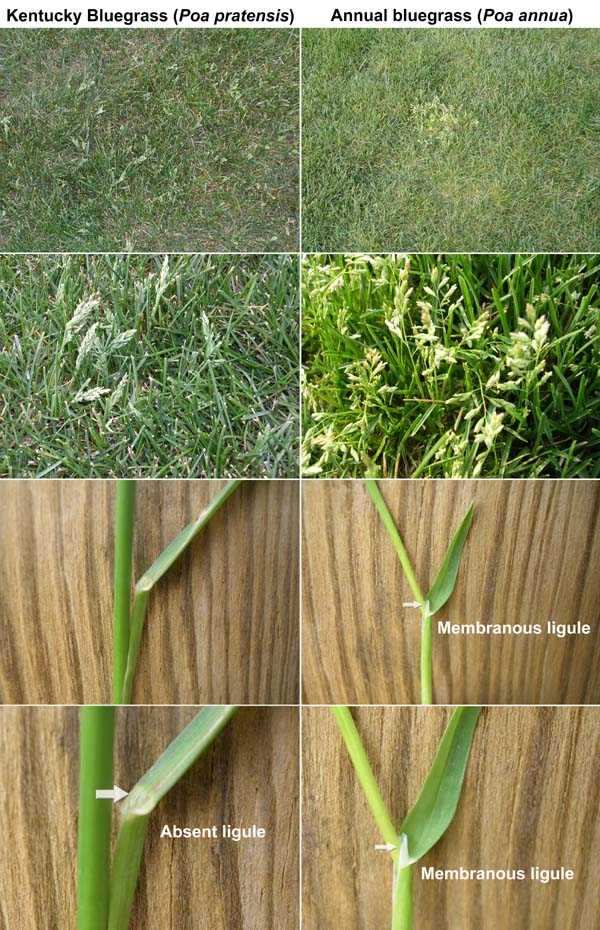
Kentucky bluegrass is a perennial, bringing lush greenery year after year with proper care. If you’re wondering whether this popular grass type is annual or perennial, the answer is straightforward: it is a perennial. This means it lives for more than two years, providing a durable and attractive lawn that can withstand various seasons.
Kentucky bluegrass is a perennial grass, known for its dense, vibrant turf that returns each spring. It thrives in cool climates and is highly valued for its lush appearance and resilience. Unlike annual grasses that need replanting every year, Kentucky bluegrass develops deep roots, making it a long-lasting choice for homeowners and landscapers alike. Whether you’re planning a new lawn or maintaining an existing one, understanding its perennial nature helps in making informed decisions about care and longevity. This grass is popular for its ability to recover quickly from damage and its beautiful, soft texture, which adds a lovely touch to any outdoor space.

Is Kentucky Bluegrass Annual or Perennial?
Understanding the Basics of Kentucky Bluegrass
Kentucky Bluegrass is a popular grass type used for lawns, sports fields, and parks. It is known for its lush, rich green color and soft texture. Many wonder whether it is an annual or a perennial grass, and understanding this helps in proper lawn care and maintenance.
What Does Annual and Perennial Mean?
An **annual** plant completes its life cycle in one year. It germinates, grows, flowers, produces seeds, and dies within a single season. A **perennial** plant lives for more than two years, regrowing each season from its root system. Knowing this difference is essential for managing your lawn effectively.
The Nature of Kentucky Bluegrass
Kentucky Bluegrass is classified as a **perennial** grass. Once established, it can live for many years, continually growing and spreading across your lawn. Its ability to survive over multiple seasons makes it a favorite among homeowners and landscapers.
Why Kentucky Bluegrass Is a Perennial
Kentucky Bluegrass’s root system is deep and robust, allowing it to survive cold winters and hot summers. Its rhizomes—underground stems—help the grass spread and re-establish itself even after damage. This resilient growth pattern is typical of perennial grasses.
Growth Cycle of Kentucky Bluegrass
Kentucky Bluegrass has a distinct growth cycle that makes it a perennial. It goes through resting periods in winter but regrows in spring. Its ability to rebound each year ensures a thick and healthy lawn with minimal reseeding.
Spring Growth
In early spring, Kentucky Bluegrass resumes active growth, producing new shoots and spreading via its rhizomes. During this period, it should be fertilized to promote healthy development.
Summer Maintenance
During hot months, Kentucky Bluegrass may go into slight dormancy but remains alive beneath the surface. Proper watering and mowing are crucial during this time to keep it healthy.
Fall Revival
In fall, Kentucky Bluegrass regrows vigorously, preparing for winter. This is the best time for overseeding and fertilization to improve its resilience for the next year.
Comparing Kentucky Bluegrass With Other Grasses
Many grasses are either annuals or perennials, so understanding how Kentucky Bluegrass compares gives insight into its advantages.
- Bermudagrass: Perennial warm-season grass, thrives in hot climates.
- Bentgrass: Perennial, often used for golf greens.
- Ryegrass: Typically planted as annual or perennial, depending on the variety.
- Fescue: Perennial, drought-tolerant, and shade-loving.
Kentucky Bluegrass’s perennial nature makes it a resilient choice, especially in cooler climates.
Advantages of Kentucky Bluegrass Being Perennial
The perennial status offers several benefits:
- Long-lasting coverage: You don’t need to reseed every year.
- Easy maintenance: Once established, it requires less replanting or overseeding.
- Thick turf: Its spreading rhizomes create a dense lawn that suppresses weeds.
- Resilience: Can recover from damage like heavy foot traffic or drought.
Challenges of Kentucky Bluegrass as a Perennial
Despite its advantages, Kentucky Bluegrass has some drawbacks:
- Requirement for cool weather: It thrives in temperate zones and struggles in hot, humid environments.
- Water needs: It prefers consistent moisture, especially during establishment.
- Soil requirements: Needs well-drained, fertile soil to perform well.
Ideal Growing Conditions for Kentucky Bluegrass
To ensure your Kentucky Bluegrass remains a healthy perennial, maintain optimal conditions:
- Climate: Best suited to USDA zones 4 through 7.
- Sunlight: Prefers full sun but can tolerate some shade.
- Soil: Requires rich, well-draining soil with a pH between 6.0 and 7.0.
- Watering: Needs approximately 1 to 1.5 inches of water weekly.
- Fertilization: Regular feeding with nitrogen-rich fertilizers encourages growth.
Establishing Kentucky Bluegrass as a Perennial
Starting a Kentucky Bluegrass lawn takes patience. It typically takes two to three years of proper care for the grass to fully establish itself.
Seeding Tips
Use quality seed and follow these steps:
- Prepare the soil by removing weeds and debris.
- Lightly loosen the soil to improve seed contact.
- Spread seed evenly at a rate of 1 to 2 pounds per 1000 square feet.
- Water lightly and frequently until germination occurs.
Maintenance for Longevity
Once established:
- Mow high to promote deep roots.
- Water deeply but infrequently to prevent drought stress.
- Fertilize regularly to support healthy growth.
Longevity and Care for Kentucky Bluegrass
As a perennial, Kentucky Bluegrass can last for decades with proper care. Regular lawn maintenance includes aeration, overseeding, and pest control.
Overseeding
Overseeding helps fill bare spots and keeps the lawn thick. Best done in early fall or spring.
Pest and Disease Control
Common issues include brown patch and dollar spot. Proper watering and aeration reduce disease risk.
Summary of Kentucky Bluegrass as a Perennial
In conclusion, Kentucky Bluegrass is a perennial grass that offers ongoing beauty and durability. Its ability to recover year after year makes it a popular choice for many pastures and residential lawns. Proper selection, planting, and maintenance ensure it stays healthy and vibrant for long periods.
Related Topics to Explore
- Best fertilizers for Kentucky Bluegrass
- How to care for Kentucky Bluegrass in summer
- Mixing Kentucky Bluegrass with other turf grasses
- Seeding vs. sod: Which is better for Kentucky Bluegrass?
Kentucky Bluegrass Pros and Cons
Frequently Asked Questions
Is Kentucky bluegrass classified as an annual or perennial grass?
Kentucky bluegrass is a perennial grass, meaning it lives for more than two years. It establishes deep root systems, which help it survive through different seasons and continue growing year after year with proper care.
What factors influence the lifespan of Kentucky bluegrass?
The lifespan of Kentucky bluegrass depends on environmental conditions, maintenance practices, and soil health. When properly irrigated, fertilized, and mowed at appropriate heights, it can thrive for many years, maintaining a lush appearance across seasons.
Can Kentucky bluegrass be considered a permanent ground cover?
Yes, Kentucky bluegrass functions effectively as a permanent ground cover for lawns and sports fields. Its dense growth habit and ability to recover from damage make it suitable for long-term use in most temperate regions.
How does the perennial nature of Kentucky bluegrass affect lawn maintenance?
Because it is a perennial, Kentucky bluegrass requires regular mowing, watering, and fertilization to stay healthy and vigorous. Its ability to recover from wear and tear makes it a popular choice for high-traffic areas, but consistent upkeep is necessary to maintain its quality over the years.
Are there any seasonal challenges for Kentucky bluegrass as a perennial species?
Kentucky bluegrass can face challenges during extreme weather conditions, such as droughts or cold snaps, which may stress the grass. However, its perennial roots help it recover over time, provided it receives adequate care and protection during adverse weather.
Final Thoughts
Kentucky bluegrass is a popular choice for lawns due to its lush appearance and durability. It thrives in cooler climates and requires regular watering and maintenance.
This grass type spreads through rhizomes, helping it fill in bare spots naturally.
In conclusion, is kentucky bluegrass annual or perennial? It is a perennial grass, meaning it lives for multiple years, making it a long-lasting option for your lawn.