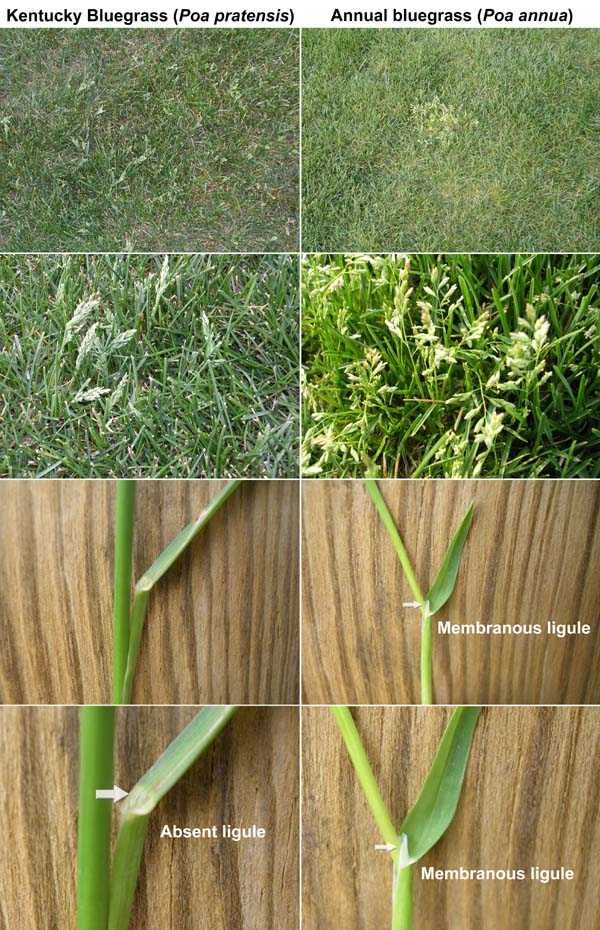
Yes, Kentucky bluegrass is a perennial grasses that comes back year after year, making it a popular choice for lawns and pastures. If you’re wondering whether this lush, vibrant grass will last through seasons, the good news is that it is indeed a perennial, known for its durability and ability to recover quickly after wear or damage. In this article, we’ll explore what makes Kentucky bluegrass a resilient, long-lasting grass, ideal for various climates and soil types. Whether you’re planting a new lawn or maintaining an existing one, understanding its perennial nature helps you plan for lush, green ground cover that endures over time. Keep reading to discover how Kentucky bluegrass can be a perfect, enduring addition to your outdoor space.

Is Kentucky Bluegrass a Perennial? A Complete Guide
Understanding What a Perennial Plant Is
Perennial plants live for more than two years. They come back each spring without needing replanting. This makes them a popular choice for lawns and landscapes.
What Exactly Is Kentucky Bluegrass?
Kentucky bluegrass is a type of cool-season grass. It is known for its lush, dense, and vibrant blue-green color. It is commonly used on lawns, sports fields, and golf courses.
Is Kentucky Bluegrass a Perennial Grass?
Yes, Kentucky bluegrass is a perennial grass. It survives for many years if properly maintained. Its life cycle and growth habits are typical of perennial grasses.
The Life Cycle of Kentucky Bluegrass
Kentucky bluegrass germinates from seed in early spring. It grows actively during cooler months and becomes dormant during the hot summer. When conditions improve, it resumes growth again.
How Kentucky Bluegrass Survives Year After Year
This grass spreads through underground stems called rhizomes. These rhizomes allow it to form a tight, carpet-like turf. Even if parts die back in summer, it can regrow from the roots in fall.
Growing Conditions Favorable for Kentucky Bluegrass Perennials
Kentucky bluegrass thrives in areas with full sunlight. It prefers well-drained, moist soil with a pH between 6.0 and 7.0. Adequate watering and mowing maintain its health.
Soil and Site Requirements
– Loamy, nutrient-rich soil promotes healthy roots.
– Avoid areas with poor drainage, which can cause root rot.
– Grass needs at least 4 to 6 hours of direct sunlight daily.
Climate Suitability
Kentucky bluegrass prefers cooler temperatures, thriving in USDA zones 4 through 7. Its growth slows significantly in extreme heat, so additional care may be needed in warmer regions.
Maintenance Practices for Perennial Kentucky Bluegrass
Proper maintenance ensures its longevity and lush appearance. Here are key practices:
- Regular watering, especially during dry spells
- Fertilization in early spring and fall
- Mowing at a height of 2 to 3 inches
- Aeration to reduce soil compaction
- Overseeding to fill in thin patches
Benefits of Kentucky Bluegrass as a Perennial
Choosing Kentucky bluegrass offers many advantages:
- Creates a dense, uniform turf that resists weeds
- Provides a soft, comfortable surface for recreation
- Has good drought tolerance once established
- Repairs itself quickly from damage due to its rhizomes
Potential Challenges with Kentucky Bluegrass Perennials
While it is durable, Kentucky bluegrass has some drawbacks:
Pest and Disease Susceptibility
It can be affected by diseases like dollar spot, rust, and leaf spot if not cared for properly. Proper fertilization and aeration help prevent these issues.
Temperature Sensitivity
In very hot climates, Kentucky bluegrass may struggle to survive summer heat without extra watering or shade.
Competition from Other Grasses
It often competes with grasses like fescues and ryegrass, which may be more heat-tolerant or drought-resistant in some regions.
Does Kentucky Bluegrass Require Replanting?
Because it is a perennial, Kentucky bluegrass does not need replanting each year. Instead, it spreads naturally through rhizomes, filling in gaps over time.
How to Encourage Kentucky Bluegrass to Persevere Year After Year
Maintaining proper lawn care practices ensures the grass remains healthy and perennial:
- Consistent watering without overwatering
- Timely fertilization based on soil tests
- Proper mowing height and frequency
- Controlling pests and weeds promptly
- Soil aeration and overseeding as needed
Related Topics: Alternatives and Mixtures
Some homeowners mix Kentucky bluegrass with other grasses like tall fescue for better heat and drought resistance. Such blends maintain perennial qualities while adapting to local climate conditions.
Summary of Kentucky Bluegrass Perennial Traits
| Feature | Details |
|—|—|
| Life Cycle | Longer than two years; regrows annually |
| Growth Habit | Spreads via rhizomes, forming dense turf |
| Climate | Best in cooler zones, partial shade tolerated |
| Maintenance | Regular watering, fertilizing, mowing |
| Resilience | Self-healing from damage and wear |
Final Remarks
Kentucky bluegrass is an exemplary perennial grass that offers beauty and durability for lawns. With proper care and favorable growing conditions, it can serve as a long-lasting, lush ground cover year after year. Its ability to spread and recover makes it a popular choice for many homeowners seeking a resilient lawn.
Main Differences Between Perennial Rye & Kentucky Bluegrass
Frequently Asked Questions
How long does Kentucky bluegrass typically live once established?
Kentucky bluegrass generally lives for about 4 to 6 years under optimal growing conditions. With proper care, including regular watering, fertilization, and mowing, it can remain healthy and vibrant for several years, making it a durable choice for lawns and turf areas.
What factors influence whether Kentucky bluegrass behaves as a perennial?
The perennial nature of Kentucky bluegrass depends on factors such as climate, soil type, maintenance practices, and overall health. When planted in suitable environments and properly cared for, it thrives year after year, exhibiting its perennial growth pattern.
Can Kentucky bluegrass survive cold winter temperatures?
Yes, Kentucky bluegrass is well-adapted to cold climates and can survive harsh winter conditions. Its deep root system helps it resist freezing and recover quickly in the spring, making it a reliable perennial grass in regions with cold winters.
What are the signs that Kentucky bluegrass may not be behaving as a perennial?
Signs include thinning patches, poor growth, and increased susceptibility to diseases or pests. If the grass fails to recover after dormancy periods or shows declining health despite proper care, it may indicate a problem with its perennial nature or unsuitable conditions for growth.
Final Thoughts
Kentucky bluegrass is widely appreciated for its lush appearance and durability. It thrives in cool seasons and can recover quickly from damage. Proper care ensures a healthy, vibrant lawn year-round.
This grass variety is a perennial, meaning it lives for multiple years. It naturally regrows each season, requiring less replanting. Therefore, the answer to ‘is kentucky bluegrass a perennial’ is a definite yes, making it a popular choice for long-term lawns.