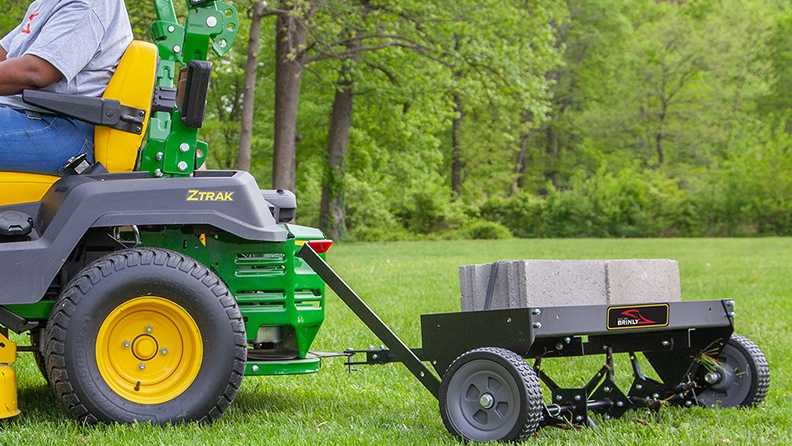
If you’re pondering whether to invest in a lawn aerator, the short answer is yes, it can be well worth it. A lawn aerator helps improve soil health by allowing air, water, and nutrients to penetrate the grass roots more effectively. This leads to a greener, healthier lawn that can withstand stress from foot traffic, drought, and disease. In the long run, the benefits—like reduced watering needs and a lush, vibrant lawn—can greatly outweigh the initial cost of the aerator. With proper aeration, your lawn will thrive, ensuring that your outdoor space remains inviting and enjoyable. So, let’s delve into why owning a lawn aerator can be a smart addition to your lawn care arsenal.

Is it worth buying a lawn aerator?
When it comes to maintaining a healthy and lush lawn, many homeowners wonder if investing in a lawn aerator is a wise decision. The simple answer is that it depends on several factors, including your lawn’s condition, the type of soil, and your budget. In this article, we will dive deep into the benefits, types, and considerations surrounding lawn aerators, helping you determine if purchasing one is worth it for your yard.
The Importance of Lawn Aeration
Aeration is the process of perforating the soil with holes to allow air, water, and nutrients to penetrate deep into the ground. This process is vital for several reasons:
- Reduces Soil Compaction: Over time, foot traffic, lawnmowers, and heavy rain can compact the soil, making it hard for grass roots to grow. Aeration helps break up compacted soil, allowing roots to expand.
- Enhances Nutrient Uptake: With improved access to nutrients, your grass can thrive better. Aeration allows fertilizers and water to reach the root zone more effectively.
- Improves Drainage: Aeration alleviates water pooling problems in your yard. Better drainage prevents issues like mud and standing water, which can damage your lawn.
These benefits illustrate that regular lawn aeration can significantly improve the health and appearance of your yard.
Types of Lawn Aerators
Before deciding on a purchase, understanding the types of lawn aerators available can help you make a well-informed choice.
Spike Aerators
Spike aerators create holes in the ground using spikes. They can be found as hand tools or larger machines. While they’re more affordable, they may not be as effective in breaking up compacted soil since they only push the soil aside rather than removing it.
Core Aerators
Core aerators pull plugs of soil and thatch from the lawn. This process is much more effective than spike aeration since it allows for better air and moisture penetration. Core aerators come in manual, tow-behind, and motorized versions, making them suitable for different lawn sizes.
Liquid Aerators
Liquid aeration uses a specialized solution to break up compacted soil. It’s an option for those who prefer a less labor-intensive method. However, the results may not be as immediate or noticeable as those from physical aeration methods.
When to Aerate Your Lawn
Timing is everything when it comes to lawn aeration. The best times to aerate your lawn depend on your grass type.
- Cool-Season Grasses: Early spring or early fall is ideal for aerating cool-season grasses, as they are actively growing during these times.
- Warm-Season Grasses: Late spring to early summer is the best time for aerating warm-season grasses, promoting optimal growth.
Aerating during these periods helps to maximize growth and recovery.
Signs Your Lawn Needs Aeration
You might be asking yourself, “Does my lawn need aeration?” Here are some signs to look for:
- Visible footprints remain in the lawn after walking on it.
- Water pools on the surface instead of soaking into the soil.
- Grass has slow growth or appears thin and unhealthy.
- Thatch buildup exceeds half an inch.
If you notice these issues, it may be time to consider aeration.
The Costs of Lawn Aerators
The price of lawn aerators can vary based on the type and brand. Here’s a quick overview of average costs:
- Manual Spike Aerators: $20 – $50
- Core Aerators: $100 – $600 depending on size and features
- Liquid Aerators: $30 – $100 for a gallon that covers a standard lawn
While renting an aerator can save you money, owning one may be worthwhile for larger lawns or regular maintenance.
Benefits of Owning a Lawn Aerator
Investing in a lawn aerator can lead to several advantages:
- Cost-Effective: Instead of hiring professionals, owning an aerator allows you to maintain your lawn at a lower overall cost.
- Convenience: You can aerate your lawn whenever it’s convenient for you, without waiting for a rental or scheduling professionals.
- Improved Lawn Health: Regular aeration leads to healthier grass, making it more resistant to pests and diseases.
With these benefits in mind, purchasing a lawn aerator can prove to be a smart investment.
DIY Aeration vs. Hiring Professionals
When considering lawn aeration, you might wonder if you should do it yourself or hire someone. Let’s break down the pros and cons.
DIY Aeration
- Cost Savings: Aerating your lawn with your own equipment can save you money on labor costs.
- Control: You have complete control over the timing and frequency of aeration.
- Physical Activity: It provides a good workout and allows you to spend time outdoors.
Hiring Professionals
- Expertise: Professionals have experience and knowledge on the best practices for aeration.
- Time-Saving: Hiring experts can free up your time for other gardening tasks.
- Equipment: Professionals have high-quality equipment that may be more efficient than consumer-grade tools.
Deciding between DIY and professional services depends on your comfort with lawn care and your budget.
Maintenance After Aeration
Once you aerate your lawn, proper maintenance is crucial to maximize results. Follow these steps:
- Leave Plugged Soil: Let the soil plugs decompose on the surface, as they add nutrients back to the grass.
- Water Your Lawn: Ensure your lawn receives adequate moisture after aeration to encourage root growth.
- Fertilize: Applying fertilizer shortly after aeration can enhance nutrient uptake, leading to a greener lawn.
Proper care after aeration helps you achieve the best possible results.
In summary, investing in a lawn aerator can be worthwhile if you have a compacted or unhealthy lawn. The benefits of improved aeration, drainage, and nutrient uptake can significantly enhance your lawn’s health over time. Whether you choose to aerate your lawn on your own or hire professionals, understanding the types of aerators available and when to use them will help you maintain a beautiful yard year-round. By weighing the pros and cons and considering your lawn’s specific needs, you can confidently decide if purchasing a lawn aerator is right for you.
How to Aerate Your Lawn BIG Results – BUY Don't Rent an Aerator
Frequently Asked Questions
“`html
What benefits does lawn aeration provide for grass health?
Lawn aeration significantly improves grass health by facilitating better air, water, and nutrient penetration into the soil. This process alleviates soil compaction, promotes root growth, and enhances the overall vitality of the lawn. Aeration encourages healthier grass, leading to a more lush and vibrant appearance.
How often should I aerate my lawn for optimal results?
The frequency of lawn aeration depends on the type of grass and the soil conditions. Generally, you should aerate cool-season grasses once a year in the fall and warm-season grasses in late spring or early summer. If your lawn experiences heavy foot traffic or has compacted soil, consider aerating more frequently, possibly twice a year.
Can I rent a lawn aerator instead of buying one?
Yes, renting a lawn aerator is a practical option if you only plan to aerate your lawn occasionally. Many garden centers and equipment rental services offer aerators for rent. This allows you to save money and avoid the hassle of storage while still benefiting from aeration when needed.
Will aerating my lawn help with weed control?
Aerating your lawn can indirectly assist with weed control. By improving soil health and encouraging thick grass growth, aeration helps your lawn outcompete weeds for resources. Additionally, aerating during the right season can create conditions that make it harder for weed seeds to germinate.
What is the best time of year to aerate my lawn?
The best time to aerate your lawn typically falls in the spring or fall, depending on your grass type. For cool-season grasses, aim for early spring or early fall, while warm-season grasses benefit from aeration in late spring. Timing your aeration appropriately maximizes the benefits to your lawn.
“`
Final Thoughts
Investing in a lawn aerator can greatly benefit your lawn’s health. It enhances air circulation, water penetration, and nutrient absorption, leading to a lush and vibrant yard.
For those committed to maintaining a healthy lawn, the question “Is it worth buying a lawn aerator?” finds its answer in the positive impact it has on grass growth and resilience.
By considering your lawn’s specific needs, you can determine if this purchase aligns with your gardening goals. Overall, a lawn aerator can be a valuable addition for anyone serious about lawn care.