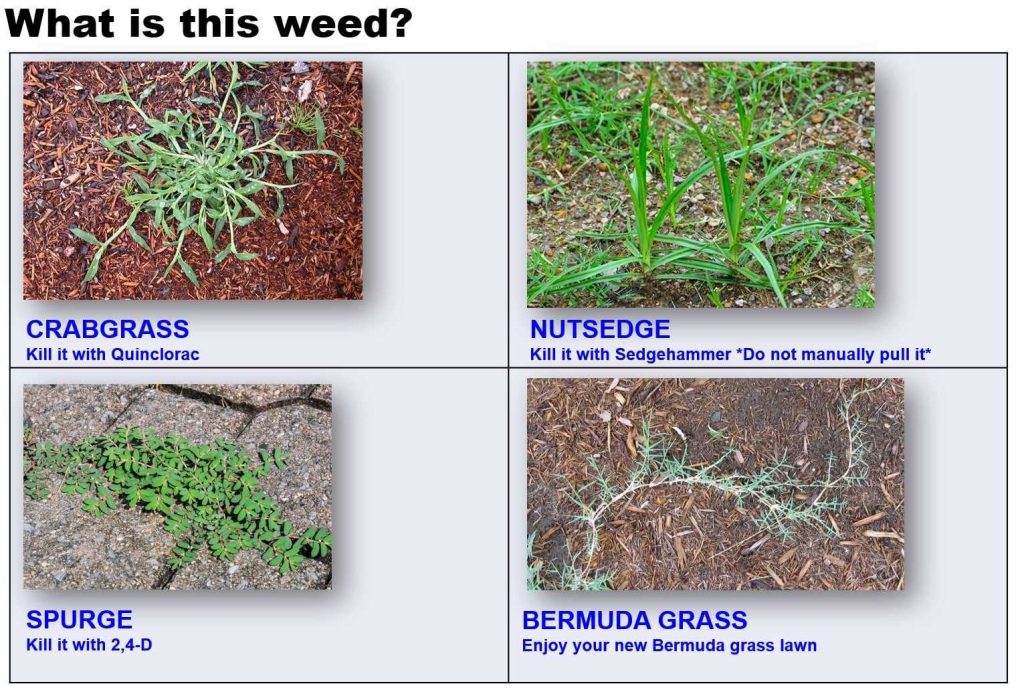
Crabgrass tends to be more of a problem in Bermuda lawns than in fescue. If you’re wondering where this pesky weed is more likely to invade, you’re in the right place. Crabgrass thrives in warm, sunny conditions and can quickly take over your lawn if you’re not vigilant. Bermuda grass, with its heat-loving nature and dense growth pattern, often provides an ideal environment for crabgrass to flourish. Fescue, on the other hand, prefers cooler temperatures and often resists crabgrass invasion better. So, if you’re battling crabgrass, your lawn type and climate play a big role in determining how much trouble you’ll face. Understanding these differences can help you take targeted steps to keep your yard healthy and weed-free.

Is crabgrass more common in Bermuda or fescue lawns
Introduction to crabgrass and its growth habits
Crabgrass is a common weed that often appears in lawns during the warm months. It thrives in sunny areas with well-drained soil. Its rapid growth can quickly spread across a yard, making it a concern for homeowners.
Understanding Bermuda grass and fescue lawns
Bermuda grass is a warm-season grass popular in southern regions because it prefers hot weather. It grows densely and spreads through both seeds and underground stems called stolons. Fescue, on the other hand, is a cool-season grass that does well in shadier spots and cooler climates. It stays green longer into the year but does not spread as aggressively as Bermuda grass.
Crabgrass prefers warm weather and direct sunlight
Crabgrass grows best in hot, sunny conditions, which makes it more likely to invade Bermuda lawns. This grass type gets plenty of sunlight, giving crabgrass a competitive advantage. Fescue lawns, often shaded or cooler, are less inviting to crabgrass, but certain conditions can still promote its growth.
Why crabgrass is more common in Bermuda lawns
Bermuda grass’s warm-season nature creates an environment perfect for crabgrass. Since crabgrass germinates at soil temperatures above 55°F, the summer months in Bermuda’s climate favor its growth. Additionally, Bermuda lawns tend to be maintained with fertilizers and watering practices that inadvertently promote crabgrass spread.
Environmental factors promoting crabgrass in Bermuda lawns
- High soil temperatures in summer
- Full sun exposure
- Well-drained, sandy soil
- Frequent watering and fertilization
These conditions make Bermuda lawns a hospitable environment for crabgrass to germinate and spread rapidly.
Crabgrass struggles to invade dense fescue lawns
Fescue lawns often have dense, thick blades that make it harder for crabgrass to establish roots. Cooler soil temperatures where fescue thrives are less conducive to crabgrass germination. Moreover, the shade and moisture conditions typical with fescue reduce the opportunities for crabgrass to get a foothold.
Fescue’s natural resistance factors
- Thicker, more competitive turf
- Cooler and often more shaded environments
- Less frequent fertilization for warm-season weeds
These factors help keep crabgrass at bay in fescue lawns compared to Bermuda.
Competitive growth habits: Bermuda vs. fescue
Bermuda grass spreads through stolons and rhizomes, creating a thick mat that can overshadow weeds. Its aggressive growth makes it easier to control invasive weeds unless crabgrass emerges early each season. Fescue’s clumping growth style makes it less competitive against invasive weeds like crabgrass, but when well-maintained, it can still resist invasion.
Growth rate differences and weed resistance
While Bermuda can quickly fill in bare patches and outcompete weeds, fescue grows more slowly and can be overwhelmed by weeds if not properly cared for. Regular overseeding and aeration can help improve fescue density and weed resistance.
Effectiveness of weed control methods in Bermuda and fescue lawns
Applying pre-emergent herbicides before crabgrass seeds germinate is a common strategy in both lawns. However, timing varies based on climate and grass type. Bermuda lawns benefit from early herbicide application in late winter to early spring, while fescue lawns may require slightly different timing depending on the region.
Best weed control practices for Bermuda lawns
- Apply pre-emergent herbicides in late winter or early spring
- Ensure proper mowing height to prevent over-thinning
- Use spot treatments for existing crabgrass
Maintaining a healthy Bermuda lawn reduces weed invasion and grass thinning, which could encourage crabgrass.
Weed management in fescue lawns
- Implement pre- and post-emergent treatments according to the season
- Mow at an appropriate height to promote dense turf
- Regular overseeding to maintain turf density
A well-maintained fescue lawn offers better natural resistance to crabgrass invasion.
Seasonal timing and environmental influences
The prevalence of crabgrass varies depending on the season and local climate. In warmer regions, crabgrass may appear earlier in the year and persist longer. Cool regions with fescue lawns often see less crabgrass, especially if the turf is healthy and dense.
Crabgrass growth cycle in different climates
- In warm climates like Florida or southern Texas, crabgrass can germinate as early as March
- In cooler areas, germination may be delayed until late spring or early summer
- Frost kills crabgrass in fall, reducing its presence over winter
Summary of key differences: Bermuda versus fescue lawns and crabgrass invasion
| Aspect | Bermuda Lawn | Fescue Lawn |
| — | — | — |
| Climate preference | Warm-season | Cool-season |
| Growth habit | Spreading via stolons/rhizomes | Clumping, less aggressive |
| Susceptibility to crabgrass | High during summer months | Lower, especially with dense turf |
| Maintenance needs | Regular mowing, fertilizing | Overseeding, proper watering |
Related topics for further exploration
- Best lawn care practices for crabgrass prevention
- Choosing the right grass type based on climate
- Integrated weed management strategies
- Soil testing and amendment tips for healthy lawns
This comparison shows that **crabgrass is generally more common in Bermuda lawns** because of their warm climate, aggressive growth habits, and environmental conditions that favor its germination. Fescue lawns tend to be less hospitable to crabgrass, especially when thick and properly maintained, but vigilance remains key in controlling weed invasion in any grass type.
Getting Rid of Weeds in your Bermuda Grass for Beginners
Frequently Asked Questions
Why does crabgrass tend to invade Bermuda grass lawns more frequently?
Crabgrass finds Bermuda grass lawns more suitable because Bermuda grass produces open thatch and has a lighter canopy, allowing crabgrass seeds to establish easily. Additionally, Bermuda grass’s tolerance for compacted or stressed soils creates ideal conditions for crabgrass to thrive, especially if the Bermuda lawn isn’t properly maintained or fertilized.
How does the growth pattern of crabgrass differ between Bermuda and fescue lawns?
Crabgrass tends to grow more aggressively in Bermuda lawns because Bermuda grass is warm-season and spreads rapidly during hot months, providing a less competitive environment for crabgrass. In contrast, fescue is a cool-season grass with a denser, slower-growing canopy that can better suppress crabgrass growth, making infestations less severe in fescue lawns.
What lawn management practices can minimize crabgrass in Bermuda and fescue lawns?
Applying pre-emergent herbicides before crabgrass seeds germinate helps prevent infestations in both types of lawns. Maintaining a healthy, dense turf through correct mowing, watering, and fertilizing reduces bare spots and weak areas where crabgrass can establish. Regular aeration and proper irrigation also discourage invasive weeds from taking hold.
Are environmental conditions more favorable for crabgrass growth in Bermuda or fescue lawns?
Crabgrass thrives in the warmer temperatures and sunnier conditions typically found in Bermuda lawns, especially during late spring and summer. Fescue lawns, being cool-season grasses, grow better in cooler weather, making conditions less favorable for crabgrass to compete successfully during the hotter months.
Does soil type influence the prevalence of crabgrass in Bermuda versus fescue lawns?
Yes, soil type plays a role. Sandy, well-drained soils that heat up quickly tend to support crabgrass growth more in Bermuda lawns. Fescue lawns are often found on slightly cooler or more moist soils, which can slow down crabgrass germination and development, resulting in fewer infestations compared to Bermuda lawns.
Final Thoughts
Crabgrass is more common in Bermuda lawns than in fescue. Bermuda grass thrives in warm climates, providing an ideal environment for crabgrass to invade. Fescue, on the other hand, prefers cooler weather and has a natural resistance to crabgrass.
Proper lawn care can reduce crabgrass invasion in both grass types. Regular mowing, watering, and fertilizing help maintain healthy lawns that resist weeds.
In conclusion, ‘Is crabgrass more common in Bermuda or fescue lawns’? Crabbgrass is notably more prevalent in Bermuda lawns due to temperature and growth conditions.