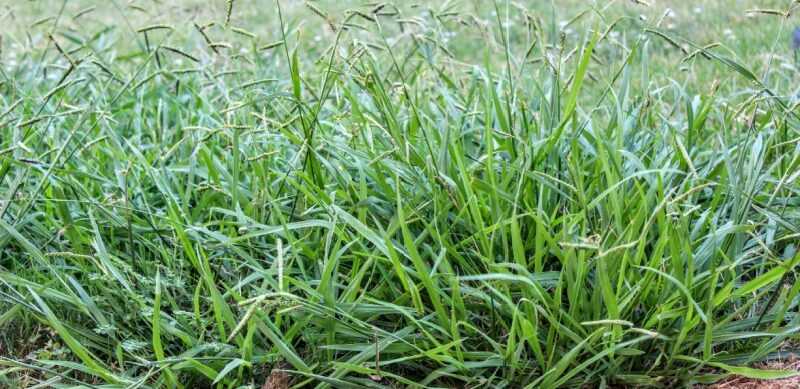
Yes, crabgrass tends to be a bigger problem in warm climates. The heat and humidity create ideal conditions for crabgrass to thrive and spread rapidly, making it more troublesome in these regions.
In warm climates, crabgrass often becomes a major turf challenge because the favorable weather allows it to germinate earlier and grow faster than in cooler areas. This aggressive weed can quickly take over lawns and fields, disrupting the appearance and health of your grass. If you’re in a warmer zone, staying vigilant about crabgrass control is essential to keep your yard lush and healthy. Understanding its behavior in hot weather can help you better combat this invasive weed and prevent it from taking over your outdoor space.

Is crabgrass a bigger problem in warm climates?
Understanding Crabgrass and Its Growth Habits
Crabgrass is a common type of pesky weed known for its fast and aggressive growth. It typically appears in lawns and gardens during the warm months of the year. This weed thrives in conditions where the soil is warm and moist, making it a major issue for many homeowners.
Crabgrass spread mainly through seeds that can quickly take hold if not managed early. Once it starts growing, it spreads rapidly across the soil surface, crowding out desirable grass. Its aggressive nature makes it a challenge to control, especially in areas with favorable conditions.
The Role of Temperature in Crabgrass Development
Crabgrass germinates best when soil temperatures reach between 55 and 60 degrees Fahrenheit. It grows most vigorously when temperatures are consistently above 80 degrees Fahrenheit. In cooler climates, germination and growth are slower, meaning crabgrass is less of a threat.
In warm climates, the longer growing season allows crabgrass to develop stronger and spread more extensively. These regions often see multiple generations of crabgrass each year, leading to larger infestations.
Why Warm Climates Are More Susceptible to Crabgrass
Warm and humid environments create perfect conditions for crabgrass to thrive. The combination of higher temperatures and ample rainfall promotes rapid seed germination and growth.
In fact, regions with long, hot summers often experience continuous crabgrass problems throughout the growing season. This persistent presence can make it difficult to keep lawns free of weeds without continuous effort or treatment.
Comparison of Crabgrass Problems: Warm vs. Cold Climates
While crabgrass can grow in all regions, its impact is much more significant in warm climates.
| Aspect | Warm Climates | Cold Climates |
|---|---|---|
| Germination | Early and frequent due to high soil temperatures | |
| Growth rate | Fast and aggressive | |
| Seeding cycles per year | Multiple cycles possible | |
| Control difficulty | Higher, requires diligent management |
In colder regions, crabgrass may only appear briefly in late spring or early summer, and its overall presence is less overwhelming.
Environmental Factors Influencing Crabgrass Proliferation
Multiple environmental elements can influence how much crabgrass becomes a problem in certain areas.
Soil Type and Drainage
Crabgrass prefers poor, sandy, or compacted soils that drain quickly. These conditions are common in warm regions, providing ideal sites for growth. Well-drained soils prevent water from lingering, which discourages other weeds but encourages crabgrass.
Sunlight Exposure
Crabgrass loves full sunlight and grows best in open, sunny areas. Shaded lawns tend to have fewer issues, but in sunny climates, weeds can spread rapidly across large, open spaces.
Rainfall and Irrigation
Heavy rainfall and frequent irrigation provide the moisture needed for crabgrass seeds to sprout and grow. Warm climates often see more rain, which contributes to a higher weed problem.
Effective Strategies for Preventing and Managing Crabgrass in Warm Climates
Prevention is key to controlling crabgrass, especially in regions where it thrives.
Pre-Emergent Weed Control
Applying pre-emergent herbicides in early spring can prevent crabgrass seeds from germinating. Timing is crucial—do this before soil temperatures reach 55 degrees Fahrenheit.
Proper Lawn Maintenance
Maintaining a healthy, thick lawn helps crowd out crabgrass. Regular fertilization, proper watering, and mowing at correct heights promote dense grass growth.
Post-Emergent Treatments
For existing crabgrass, post-emergent herbicides can be effective. Use products specifically formulated to target crabgrass and follow application instructions carefully.
Organic and Natural Methods
Some homeowners prefer natural options like hand-pulling or using vinegar-based solutions. Though less immediate, consistent effort can reduce weed populations over time.
Long-Term Management and Prevention Practices
Implementing integrated weed management practices ensures lasting control.
- Choose the right grass type for warm climates—such as Bermuda or zoysia—that compete better with weeds.
- Apply mulch or ground cover in bare spots to block crabgrass seeds from sprouting.
- Regularly aerate and dethatch lawns to improve soil health and reduce compaction.
- Monitor soil temperatures and plan weed control measures accordingly for proactive management.
Impact of Climate Change on Crabgrass Prevalence
As global temperatures rise, areas previously less affected by crabgrass may experience increased problems. Warmer winters and longer growing seasons open the door for crabgrass to establish itself more easily.
This shift underscores the importance of adapting lawn care practices to changing climate conditions. Staying ahead with preventative measures becomes even more essential in warmer regions.
Summary of Key Points
- Crabgrass grows best in warm, sunny, and moist environments.
- Longer growing seasons in warm climates lead to more significant infestations.
- Proper timing of weed control products is critical for effective management.
- Healthy lawns and good cultural practices help reduce weed problems.
- Climate change may increase crabgrass prevalence in certain regions.
The more you understand how temperature and environmental factors influence crabgrass growth, the better you can prevent and control its spread in warm climates. Regular maintenance combined with timely treatments offers the best chance for a lush, crabgrass-free lawn.
How to Kill Crabgrass Without Affecting Your Lawn Fast & Easy
Frequently Asked Questions
Does crabgrass thrive more quickly in warmer temperatures?
Yes, crabgrass tends to grow more rapidly in warmer temperatures. It especially thrives when soil temperatures reach around 55-60°F and continues to flourish as temperatures rise. The warmth accelerates its germination and growth cycle, making it a more persistent problem in hot climates.
How does humidity in warm regions affect crabgrass proliferation?
High humidity levels common in warm climates create ideal conditions for crabgrass. Moisture helps the seeds germinate and supports healthy growth. Persistent dampness also promotes the spread of the weed, making it more challenging to control compared to drier areas.
Are there specific seasons when crabgrass becomes a bigger issue in warm zones?
Crabgrass typically becomes problematic during late spring through summer in warm regions. The combination of rising temperatures and increased sun exposure encourages its growth. Early intervention before germination can help reduce its spread during these peak seasons.
Does the soil type in warm climates contribute to crabgrass problems?
In warmer regions, certain soil types like compacted or nutrient-poor soils can make it easier for crabgrass to establish and spread. These conditions often reduce the competitiveness of desirable grasses, giving crabgrass an advantage to take hold and become more invasive.
Final Thoughts
Crabgrass thrives in warm climates, making it a common challenge for homeowners in these regions. The heat and humidity create ideal conditions for its growth.
In cooler areas, crabgrass is less aggressive, allowing lawns to stay healthier with proper maintenance.
Is crabgrass a bigger problem in warm climates? Yes, warmer temperatures increase its spread and difficulty to control, emphasizing the need for proactive weed management.