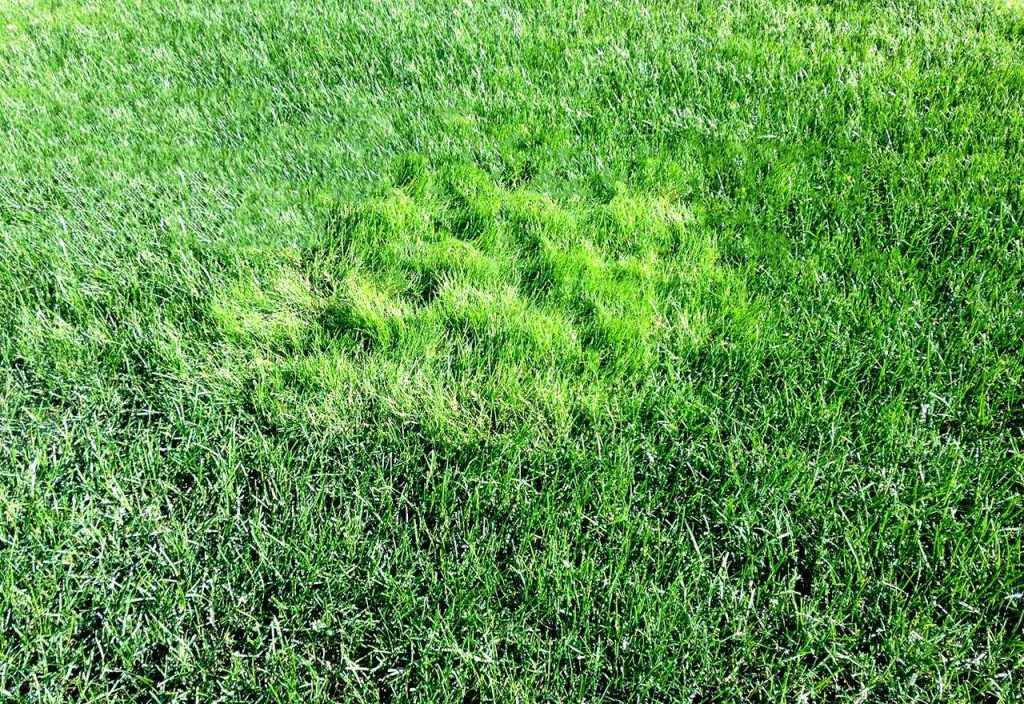
If you’re wondering whether bentgrass is a good choice for your residential lawn, the quick answer is: it can be, but it really depends on your specific needs and local climate. Bentgrass is known for its lush, dense appearance and ability to create a smooth, carpet-like surface, making it a popular choice for golf courses and high-end lawns. However, it does require specific care, including frequent mowing and irrigation, to maintain its beauty. In cooler climates, it thrives, but in hotter regions, it might struggle without consistent maintenance. So, if you’re ready to commit to its care, bentgrass could be a great addition to your landscape. Let’s dive deeper into the pros and cons of this unique grass type for residential lawns.

Is Bentgrass Good for Residential Lawns?
When it comes to choosing the right grass for your home lawn, many homeowners encounter a variety of options. Among these choices, **bentgrass** often pops up as a popular candidate due to its lush appearance and fine texture. But is bentgrass really suitable for residential lawns? This article delves into the characteristics, benefits, and potential drawbacks of bentgrass, allowing you to make an informed decision for your outdoor space.
What is Bentgrass?
Bentgrass is a **perennial grass species** primarily recognized for its fine, dense texture. It belongs to the genus Agrostis and is particularly favored on golf courses and athletic fields due to its ability to withstand foot traffic. However, its qualities make it a contender for residential lawns as well.
There are two main types of bentgrass:
- creeping bentgrass (Agrostis palustris) – commonly used on golf greens
- colonial bentgrass (Agrostis tenuis) – exhibits a finer texture and slower growth
Both types of bentgrass have their unique characteristics benefitting specific lawn situations.
Benefits of Bentgrass for Residential Lawns
Understanding the advantages of bentgrass can help homeowners appreciate its value. Here are some noteworthy benefits:
- Aesthetic Appeal: Bentgrass has a rich green color and dense growth pattern, which can enhance the overall look of your yard.
- Tolerance to Foot Traffic: It can endure moderate foot traffic, making it ideal for families with children or pets.
- Self-Healing Properties: Bentgrass can recover quite well from damage, whether from wear and tear or pests.
- Drought Resistance: Once established, it exhibits some resistance to dry conditions.
These benefits make bentgrass a desirable option for many homeowners looking to achieve a beautiful lawn.
Maintenance Requirements
While bentgrass does offer several advantages, it also comes with specific maintenance needs. This is a crucial factor to consider before deciding if it’s suitable for your lawn. Here are some maintenance aspects on bentgrass:
- Mowing: Bentgrass requires regular mowing to maintain its recommended height of around 1 to 2 inches.
- Watering: It prefers consistent moisture but can be sensitive to overwatering.
- Fertilization: Regular feeding is essential, especially during peak growth seasons, with a balanced fertilizer.
- Aeration: Aerating the lawn at least once a year helps improve root growth.
These maintenance practices ensure that bentgrass remains healthy and lush. However, it may not be ideal for those who prefer a low-maintenance option.
Climate Considerations
Bentgrass thrives in certain climates, making location a critical factor in its adaptability. It generally performs best in **cooler climates**, which mimic its natural habitat. Here’s what to keep in mind regarding climate:
- Ideal Temperatures: Bentgrass prefers temperatures between 60°F to 75°F.
- Cold Tolerance: It can tolerate colder winters, yet may go dormant during extreme temperatures.
- Heat Sensitivity: High temperatures can cause bentgrass to struggle and might lead to browning.
If you live in a region with extreme heat or humidity, you might want to consider other grass types.
Common Issues with Bentgrass
Like any other turf variety, bentgrass is not without its issues. Awareness of potential problems can better prepare you for maintaining a healthy lawn. Here are some common challenges:
- Disease Susceptibility: Bentgrass is more prone to diseases like dollar spot and brown patch, especially in humid conditions.
- Thatch Build-Up: Its dense growth can lead to a layer of thatch, requiring regular dethatching to prevent issues.
- Pest Problems: Certain pests, like grubs and chinch bugs, may affect bentgrass.
Being proactive about these challenges can help you take steps to prevent them from impacting your lawn.
Cost Considerations
When planning to install a bentgrass lawn, budget is a significant factor. The cost of establishing a bentgrass lawn can vary depending on multiple factors:
- Seed Cost: Bentgrass seed tends to be more expensive than some other grass types.
- Installation: Costs may increase if hiring professionals versus doing it yourself.
- Maintenance Expenses: Regular maintenance needs can add up over time.
Understanding these costs upfront can help you determine if bentgrass fits your budget.
Comparing Bentgrass to Other Grass Types
To make an informed decision, it’s vital to compare bentgrass with other popular lawn choices. Here’s a quick comparison:
- Kentucky Bluegrass: Tolerates heat better than bentgrass but may require more water.
- Perennial Ryegrass: Germinates quickly and is ideal for quick patches but isn’t as durable.
- Fescue Grass: Excellent drought tolerance but may lack the fine texture of bentgrass.
Each grass type has its pros and cons, and understanding these differences can lead you to the best choice for your lawn.
Installation Process for Bentgrass
If you’ve chosen bentgrass for your residential lawn, understanding the installation process is crucial. Here’s a step-by-step guide:
- Soil Preparation: Ensure the soil is well-aerated and free of debris.
- Seed Selection: Choose high-quality bentgrass seeds suitable for your climate.
- Seeding: Spread the seeds evenly using a spreader, ideally in early spring or fall.
- Watering: Keep the soil consistently moist until the seeds germinate.
- First Mow: Mow the grass for the first time when it reaches about 3 inches in height.
Following these steps can lead to a successful bentgrass lawn establishment.
Final Thoughts on Bentgrass for Residential Lawns
Bentgrass offers an appealing option for homeowners seeking a lush and beautiful lawn. Its fine texture and rich color can enhance any outdoor space while providing reasonable durability. However, the need for specific maintenance, climate considerations, and potential challenges should not be overlooked.
Ultimately, whether bentgrass is the right choice for your residential lawn depends on your specific needs, preferences, and willingness to invest time and resources. Make sure to weigh its benefits against your lifestyle and landscape requirements before making a selection.
In conclusion, understanding the nuances of bentgrass can help you determine if it’s the best fit for your residential lawn. By taking into account all the associated factors, you can cultivate a lawn that not only beautifies your space but also thrives year after year.
Problems with Bentgrass in a Residential Lawn
Frequently Asked Questions
What are the benefits of using bentgrass in lawns?
Bentgrass offers several advantages for residential lawns. It grows densely, creating a lush, green appearance that many homeowners desire. Bentgrass is also adaptable to various soil types and can tolerate some foot traffic. Additionally, it establishes quickly, allowing homeowners to enjoy a beautiful lawn sooner. Its fine texture gives a refined look, making it a popular choice for golf courses and upscale residential properties.
How does bentgrass handle drought conditions?
Bentgrass is relatively drought-tolerant compared to other grass types. While it thrives in moist conditions, it can survive periods of drought with proper management. Homeowners can maintain healthier bentgrass by implementing deep watering techniques and focusing on soil health. However, during prolonged dry spells, bentgrass may enter dormancy, turning brown but not dead, and will revive with adequate moisture.
What maintenance does bentgrass require?
Maintaining bentgrass involves regular mowing, watering, and fertilization. Homeowners should mow bentgrass at a higher height to encourage strong root growth and resist disease. Frequent but light watering helps maintain its health, and fertilizing with a balanced nutrient mix supports robust growth. Additionally, aerating the lawn periodically improves soil structure and enhances root development.
Is bentgrass suitable for shady areas?
Bentgrass performs best in sunny locations, as it requires at least 6 hours of sunlight daily. However, it can tolerate partial shade. Homeowners with shaded areas may find that bentgrass does not thrive as well, leading to patchy growth. For optimal results, consider combining bentgrass with shade-tolerant grass types or select a more suitable species for shaded regions.
How does bentgrass compare to other grass types in terms of disease resistance?
Bentgrass may be susceptible to certain diseases such as dollar spot and brown patch, especially in humid conditions. However, proper lawn care practices, like maintaining good air circulation and avoiding overcrowding, can minimize disease risk. Homeowners should remain vigilant, implementing fungicide treatments if necessary and ensuring healthy growth through regular maintenance.
Final Thoughts
Bentgrass can be a good choice for residential lawns, especially in cooler climates. It offers a fine texture and vibrant green color, enhancing the overall appearance of your yard. However, it requires more maintenance, including regular mowing and watering, making it less suitable for homeowners seeking low upkeep.
Is bentgrass good for residential lawns? Ultimately, it depends on your specific conditions and willingness to invest time in upkeep. If you prioritize aesthetics and can provide the necessary care, bentgrass might be a perfect fit for your lawn.