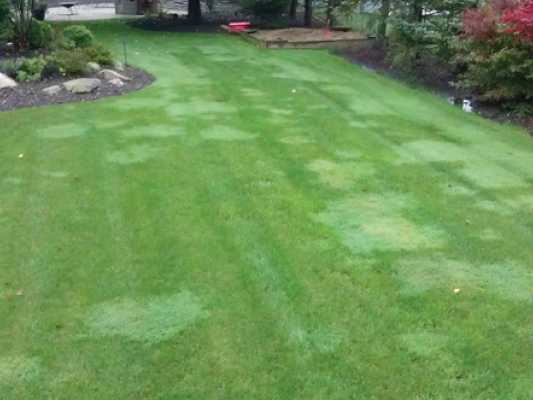
If you’re wondering whether bentgrass is a good option for your home lawn, the quick answer is: it can be, but it depends on your specific circumstances. Bentgrass is known for its lush appearance and fine texture, making it a favorite for golf courses and manicured landscapes. However, it requires a certain level of maintenance, including frequent mowing and watering, and it thrives best in cooler climates. If you live in an area with hot summers, you might find that bentgrass struggles. So, while it can be a beautiful choice, it’s essential to weigh the pros and cons based on your local environment and the amount of care you’re willing to provide. Let’s dive deeper into what makes bentgrass a suitable or unsuitable option for your lawn.

“`html
Is Bentgrass Good for Home Lawns?
Bentgrass is a popular choice among homeowners looking to establish a lush, green lawn. With its fine texture and rich color, many people wonder if it is truly a suitable option for their home lawns. In this article, we’ll explore the many aspects of bentgrass, its advantages, disadvantages, and how it compares to other grass types.
What is Bentgrass?
Bentgrass, scientifically known as *Agrostis*, is a perennial grass that boasts a fine texture and dense growth. It is commonly found in cooler climates and is popular in golf courses and sports fields. Bentgrass can also be used for home lawns, but understanding its needs and characteristics is key to making an informed decision.
Varieties of Bentgrass
There are several varieties of bentgrass, each with unique features. Some common types include:
- ** creeping bentgrass (** *Agrostis stolonifera* **)** – This variety spreads through stolons and is known for its lush appearance.
- ** colonial bentgrass (** *Agrostis capillaris* **)** – A more drought-resistant species, ideal for home lawns.
- ** greens hybrid bentgrass** – Typically used on golf greens, it offers an ultra-fine texture and a vibrant hue.
Understanding the specific variety can help homeowners choose the best option for their lawns.
Benefits of Bentgrass for Home Lawns
Bentgrass offers numerous advantages that make it appealing for home lawns. These include:
- ** Aesthetic Appeal** – Bentgrass has a lush, green color that enhances the beauty of any yard.
- ** Soft Texture** – The fine blades are soft underfoot, making it comfortable for families and pets.
- ** Excellent Tolerance to Foot Traffic** – Bentgrass can withstand foot traffic, making it suitable for active households.
With these benefits, it’s easy to see why many people consider bentgrass for their lawns.
Maintenance Requirements
While bentgrass has many appealing characteristics, it does require specific care. Here are some essential maintenance tasks:
- ** Mowing** – Regular mowing is necessary to maintain height and promote thick growth.
- ** Watering** – Bentgrass prefers moist soil, so regular irrigation is essential, especially in dry seasons.
- ** Fertilization** – Using appropriate fertilizers will help promote vibrant color and healthy growth.
Understanding the maintenance needs is crucial for ensuring a healthy lawn.
Watering Bentgrass
Proper watering is vital for bentgrass. Here are some tips:
- ** Deep Watering** – Water the lawn deeply a few times a week rather than light, daily watering.
- ** Early Morning** – The best time to water is early in the morning when temperatures are cooler.
Proper techniques can keep bentgrass thriving.
Mowing Tips for Bentgrass
Mowing is another critical aspect of bentgrass care. Follow these guidelines:
- ** Keep Mower Blades Sharp** – Sharp blades create clean cuts, preventing lawn stress.
- ** Maintain Height** – Aim to keep the grass height between 1 to 2 inches for optimal growth.
Good mowing practices can enhance lawn health and appearance.
Challenges of Bentgrass in Home Lawns
Despite its many benefits, bentgrass does present some challenges. Homeowners should consider:
- ** Susceptibility to Disease** – Bentgrass can be prone to diseases like dollar spot and brown patch.
- ** High Water Needs** – The grass requires more water than other types, which might not be suitable for all environments.
- ** Compacted Soil Problems** – Bentgrass struggles in compacted soils, which can limit growth.
Addressing these challenges is essential for successful lawn establishment.
Is Bentgrass Suitable for Your Climate?
Bentgrass thrives best in cooler climates but can be grown in transitional zones with proper care. Here’s how it can fare in different climates:
- ** Cool Temperatures** – Ideal for northern regions, ensuring optimal growth and health.
- ** Transitional Zones** – Can be successful with adequate care but may require more maintenance.
Knowing your climate will help determine if bentgrass is the right choice.
Bentgrass vs. Other Grass Types
When considering bentgrass, it’s helpful to compare it to other common lawn grasses. Here’s how it stacks up against some popular alternatives:
| Grass Type | Texture | Water Needs | Maintenance Level |
|---|---|---|---|
| Bentgrass | Fine | High | High |
| Fescue | Medium | Moderate | Moderate |
| Bermudagrass | Coarse | Moderate | Low |
This comparison can help homeowners make an informed decision based on their needs.
Cost Considerations
The cost of establishing a bentgrass lawn can vary. Factors to consider include:
- ** Seed Cost** – Bentgrass seed is often more expensive compared to other grass types.
- ** Maintenance Costs** – Higher maintenance needs can lead to increased costs over time.
Understanding these costs can help you budget appropriately.
Alternative Grass Options
If bentgrass doesn’t seem like the right fit, consider these alternatives:
- ** Tall Fescue** – Drought-resistant and adaptable to various climates.
- ** Kentucky Bluegrass** – Offers a beautiful, dense lawn but may need more care.
- ** Zoysiagrass** – A heat-tolerant option, great for warmer climates.
Each type has its unique benefits and challenges to consider.
How to Establish a Bentgrass Lawn
If you decide that bentgrass is the right choice for your lawn, follow these steps for successful establishment:
- ** Soil Preparation** – Test and amend the soil as necessary before planting.
- ** Seeding** – Apply bentgrass seed evenly, aiming for 1 to 2 pounds per 1,000 square feet.
- ** Watering Post-Seeding** – Water lightly to keep the soil moist until germination.
Taking the time to prepare properly can lead to a successful lawn.
Timing for Planting Bentgrass
The best time to plant bentgrass is during the cooler months. Key timings include:
- ** Early Spring** – Ideal for cool-season areas.
- ** Early Fall** – Provides optimal conditions for growth before winter.
Timing can significantly impact the success of your new lawn.
Common Mistakes to Avoid
Starting a bentgrass lawn can come with pitfalls. Avoid these common mistakes:
- ** Overwatering** – Too much water can lead to disease and poor growth.
- ** Skipping Soil Tests** – Not testing can lead to poor nutrient management.
Taking the right steps can save homeowners time, money, and frustration.
With the right knowledge, bentgrass can make a stunning addition to your home lawn. Its unique attributes can enhance the aesthetic and enjoyment of your outdoor space, provided you take care of its specific needs. Whether it’s the vibrant color, the fine texture, or the resilience to foot traffic, bentgrass may very well be the right choice for your lawn.
Bent Grass In A Home Lawn – Expert Lawn Care Advice
Frequently Asked Questions
“`html
What are the benefits of using bentgrass for lawns?
Bentgrass offers several advantages for home lawns, including a dense and lush appearance, excellent tolerance to foot traffic, and its ability to thrive in cooler climates. Its fine texture gives lawns a soft, manicured look, making it a popular choice for homeowners seeking an aesthetic appeal. Furthermore, bentgrass is relatively low maintenance once established, as it requires less frequent mowing and watering compared to other grass types.
How does bentgrass perform in hot weather?
Bentgrass generally struggles in hot and humid conditions. While some varieties exhibit improved heat tolerance, they are not ideal for areas with extreme heat. Homeowners living in warmer regions may find that bentgrass requires extra care, including increased watering and shade management, to maintain its health and appearance during peak summer months.
Is bentgrass suitable for shaded areas in my yard?
Bentgrass prefers full sun but can tolerate some shade. However, its performance may decline in heavily shaded areas as it competes for sunlight with surrounding plants. If your lawn has significant shade, consider blending bentgrass with shade-tolerant varieties or choosing a different grass type that thrives better in low-light conditions.
How often should I mow bentgrass?
Bentgrass typically requires mowing every 5 to 10 days, depending on the growth rate and season. Maintaining a mowing height of about 1 to 2 inches helps keep the grass healthy and encourages a dense growth habit. Regular mowing also prevents thatch buildup and promotes better air circulation within the lawn.
Does bentgrass require special care compared to other grasses?
Yes, bentgrass requires specific maintenance practices, including regular aeration and topdressing to enhance drainage and reduce compacted soil. It also needs consistent moisture, especially during establishment. Fertilization should be tailored to the grass’s growth cycles, ensuring it receives adequate nutrients without over-fertilizing, which can lead to disease susceptibility.
“`
Final Thoughts
Bentgrass offers a lush and smooth lawn, making it visually appealing for homeowners. However, its high maintenance requirements can be a drawback for some. It thrives in cooler climates but struggles in extreme heat, which may lead to browning. Therefore, whether bentgrass is good for home lawns really depends on your local climate and willingness to invest time in upkeep. If you enjoy a pristine lawn and can tend to its needs, bentgrass might be the right choice for you.