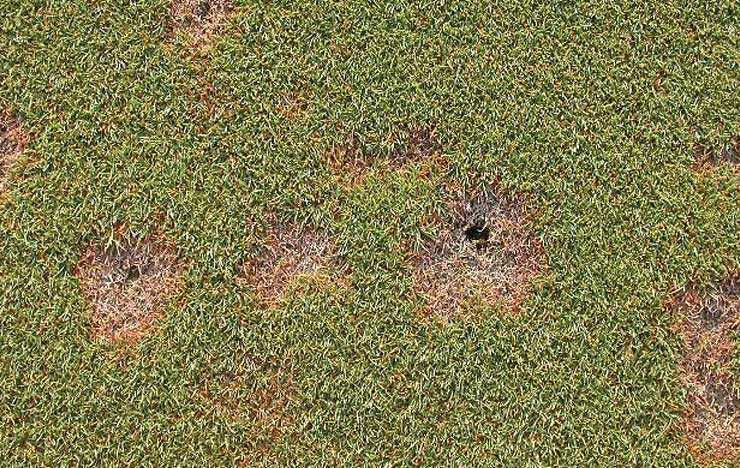
If you’re noticing unusual patches or discoloration in your bentgrass lawn, identifying the disease quickly can save your grass and keep it looking lush. Common issues include dollar spot, brown patch, and pythium blight. Each of these diseases has its own characteristics, but early detection and proper treatment can make a world of difference. In this article, we’ll explore the most common bentgrass diseases, how to spot them, and the best solutions to get your lawn back to health. By equipping yourself with the right knowledge, you’ll be well on your way to maintaining a vibrant and resilient bentgrass turf. Let’s dive into the symptoms, causes, and treatments for these pesky problems.

“`html
Bentgrass Disease Identification
Bentgrass, a popular turf species, is known for its fine texture and lush green appearance. However, it is also susceptible to various diseases that can affect its health and aesthetic appeal. Identifying bentgrass diseases early is crucial for effective management and control. In this article, we will explore the different types of diseases that can affect bentgrass, their symptoms, and methods for identification.
Common Bentgrass Diseases
Understanding the types of diseases that commonly affect bentgrass is the first step in disease identification. Here are some of the most prevalent diseases:
- Dollar Spot – A fungal disease that causes small, circular, tan-colored spots on the grass.
- Brown Patch – This disease results in large, irregularly shaped brown patches in the turf.
- Powdery Mildew – Characterized by a white, powdery fungus coating the grass blades.
- Crazy Top – Causes abnormal growth, resulting in twisted and contorted grass blades.
- Pythium Blight – A serious disease leading to wilted, dark, and slimy patches of grass.
Each of these diseases has unique characteristics, making it important to know what to look for.
Identifying Dollar Spot
Dollar spot is one of the most common diseases affecting bentgrass. It thrives in warm, humid conditions.
- Symptoms include small, circular spots, typically about the size of a silver dollar.
- These spots may turn white or grey and often have a tan center.
- During early morning, you might notice a fungal mycelium on the grass blades.
Proper identification can help manage the disease before it spreads.
Understanding Brown Patch Disease
Brown patch is prevalent during hot and humid weather. Recognizing brown patch early can prevent turf loss.
- Look for circular patches varying in size, typically from 2 to 10 inches in diameter.
- The edges of these patches may appear dark brown or black.
- In humid conditions, a grayish layer may form on top of the affected areas.
If you notice these signs, take action quickly.
Recognizing Powdery Mildew
Powdery mildew can affect bentgrass during cooler evenings and moderate daytime temperatures.
- Symptoms include a white powdery substance covering the leaves.
- The grass may appear stunted or deprived of nutrients.
- Leaves might show signs of yellowing before succumbing to the disease.
Timely identification can lead to better treatment options.
Symptoms of Crazy Top
Crazy top is less common but can cause dramatic changes in bentgrass.
- This disease is characterized by twisted and contorted grasses.
- Affected blades may become thicker at the base and grow abnormally.
- The grass may also lose normal color and appear pale.
Recognizing the unique symptoms can aid in distinguishing this disease from others.
Pythium Blight Identification
Pythium blight can be particularly destructive and is often found in low-lying areas.
- Observe for brown patches that turn dark and slimy, especially during hot weather.
- These patches may have a water-soaked appearance.
- In severe cases, the grass can collapse and die quickly.
Prompt identification is crucial to mitigate damage.
Environmental Factors and Disease Severity
The environment plays a significant role in the severity of bentgrass diseases. Here are some crucial factors to consider:
- Humidity – High humidity creates an ideal environment for fungal diseases.
- Temperature – Most diseases thrive in specific temperature ranges, often during summer.
- Watering Practices – Overhead watering can increase the risk of fungal infections.
- Soil Health – Poor soil conditions can stress grass and make it more susceptible to disease.
Understanding these factors can aid in reducing disease occurrence.
Diagnostic Techniques for Bentgrass Diseases
Identifying bentgrass diseases accurately may involve various diagnostic techniques.
- Visual Observation – Check for symptoms regularly to catch diseases early.
- Soil Tests – Analyze soil health, which can indicate potential disease problems.
- Lab Testing – For persistent issues, send samples to a lab for confirmation.
- Field Diagnosis – Consult with turf specialists for professional assessments.
Utilizing multiple diagnostic approaches can lead to accurate identification.
Preventing Bentgrass Diseases
Prevention is key when it comes to managing bentgrass diseases. Here are some strategies to keep your grass healthy:
- Proper Aeration – Aerate the soil to improve water drainage and air circulation.
- Regular Mowing – Keep the grass at an appropriate height to prevent stress.
- Efficient Watering – Water in the early morning to minimize moisture during the night.
- Nutrient Management – Use balanced fertilizers to promote grass health.
By implementing these practices, you can significantly reduce the risk of disease.
Managing Bentgrass Disease Outbreaks
If you identify a disease outbreak, swift action is necessary to minimize damage.
- Quarantine Affected Areas – Prevent further spread by isolating sick patches.
- Apply Fungicides – Use targeted fungicides as a response to specific diseases.
- Change Cultural Practices – Adapt mowing and watering habits to deter disease progression.
- Monitor Progress – Keep an eye on treated areas to evaluate treatment effectiveness.
Taking these steps can help manage outbreaks effectively.
Identifying bentgrass diseases quickly and accurately is vital for maintaining a healthy lawn. By familiarizing yourself with the symptoms and applying preventive measures, you can protect your bentgrass from damage. Keep an eye on environmental factors and adapt your management practices as needed. With diligence and care, you can enjoy a thriving bentgrass lawn free from disease.
“`
How to Identify Creeping Bentgrass Weed
Frequently Asked Questions
“`html
What are the common symptoms of bentgrass diseases?
Common symptoms of bentgrass diseases include yellowing of the leaves, irregular patches of dead grass, wilting, and stunted growth. You may also notice brown or black spots, particularly in damp conditions. In some cases, the grass may have a slimy or greasy texture due to fungal infections.
How does environmental stress affect bentgrass health?
Environmental stress plays a significant role in the health of bentgrass. Factors such as drought, excessive heat, poor drainage, and high humidity can weaken the grass, making it more susceptible to diseases. Additionally, soil compaction and nutrient deficiencies can exacerbate these issues, leading to increased disease susceptibility.
Are certain bentgrass varieties more resistant to diseases?
Yes, some bentgrass varieties exhibit higher resistance to specific diseases. Breeders continuously develop strains that offer better tolerance to common pathogens and environmental stressors. When selecting a variety, consider local conditions and the prevalent diseases in your area to ensure better disease resistance.
What cultural practices can help prevent bentgrass diseases?
Implementing sound cultural practices can significantly reduce the risk of bentgrass diseases. Regularly aerate the soil to improve drainage, avoid overwatering, and mow at the optimal height to promote healthy growth. Using well-balanced fertilizers and maintaining proper soil pH can also enhance the grass’s resilience to diseases.
How can I manage bentgrass diseases once identified?
Once you identify a bentgrass disease, managing it effectively involves removing affected areas and improving growing conditions. You may also need to apply fungicides or other appropriate treatments based on the specific disease. Always follow label instructions and consult local extension services for tailored advice on disease management.
“`
Final Thoughts
Bentgrass disease identification is crucial for maintaining healthy lawns and golf courses. Recognizing symptoms early allows for timely intervention, reducing long-term damage. Common signs include discoloration, thinning patches, and unusual growth patterns.
Regular monitoring and proper cultural practices help prevent the onset of diseases. Adopting these strategies ensures vibrant and resilient bentgrass, enhancing both aesthetic appeal and functionality.