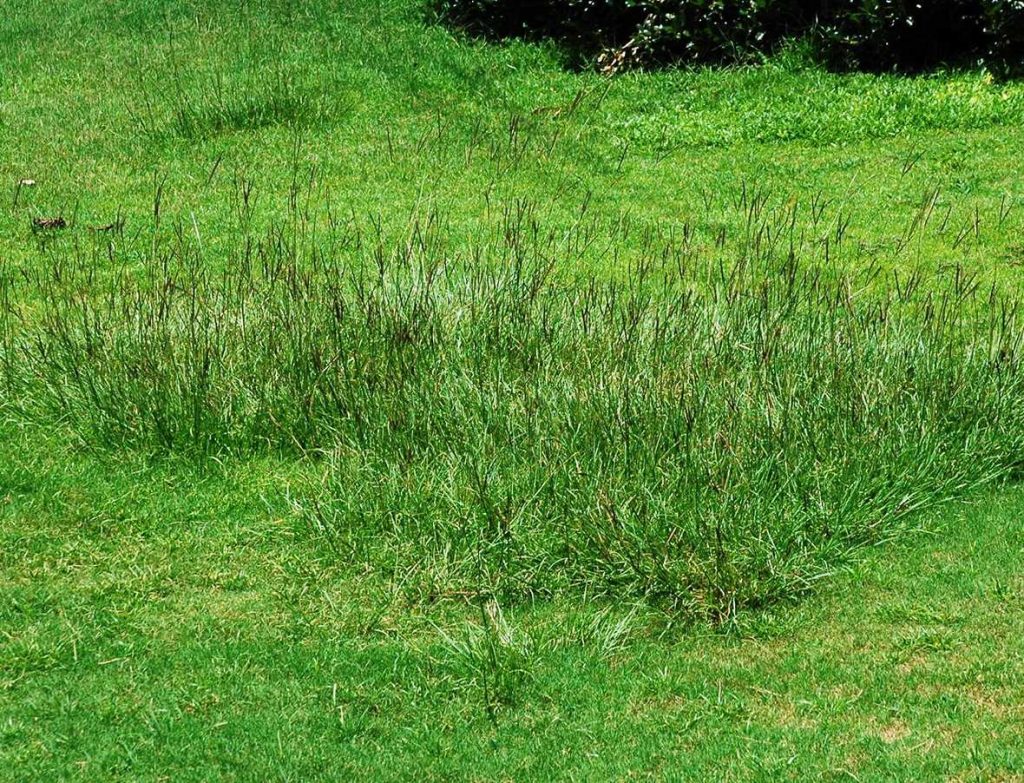
Yes, Bahia grass is often considered a weed in certain situations, especially when it invades lawns or landscaped areas where it’s not desired. It can spread quickly and outcompete other grasses, making it a nuisance for homeowners and landscapers alike. Whether it’s seen as a weed or a useful pasture grass depends on where it’s growing and what the landowner aims to achieve.
In short, Bahia grass is a versatile warm-season grass that can be both a beneficial pasture and a troublesome weed, depending on the location. It’s hardy and drought-tolerant but can become invasive, requiring management to keep it in check.
Many people wonder if Bahia grass is a weed, especially when it appears where they don’t want it. This grass, native to South America, is prized in some regions for its resilience and low water needs. However, in lawns or gardens, it can quickly establish itself and push out more desirable plants. Its rapid growth and hardiness make it a double-edged sword—what benefits pasture land might be considered an invasive weed elsewhere. Understanding its behavior and management options can help you decide whether it’s a helpful addition to your land or a weed you need to control.

Is Bahia Grass a Weed? Exploring Its Nature and Role in Lawns and Fields
Understanding Bahia Grass: What Is It?
Bahia grass, scientifically known as *Paspalum notatum*, is a warm-season grass native to South America. It is widely used in tropical and subtropical regions for pasture, turf, and erosion control. Its adaptability to various soil types makes it a popular choice for many landowners.
Characteristics of Bahia Grass
This grass has fine-textured, soft leaves that grow in clumps. It produces seed heads that resemble small, feathery plumes, which can be quite attractive. Its deep root system allows it to survive droughts and withstand heavy foot traffic, making it resilient in many environments.
Is Bahia Grass Considered a Weed?
In many cases, Bahia grass is viewed as a valuable turfgrass or pasture. However, it can become invasive and problematic in certain settings, leading some to label it a weed. The classification depends on its location, purpose, and how aggressively it spreads.
When Does Bahia Grass Become a Weed?
Bahia grass becomes a weed when it spreads uncontrollably beyond its intended area. For example, in lawns where a different turfgrass is desired, Bahia can invade and outcompete native species. Its ability to produce large quantities of seeds helps it spread rapidly.
Factors Influencing Bahia Grass as a Weed
There are several factors that make Bahia grass behave like a weed in some situations:
- High seed production with efficient dispersal methods
- Strong root system allowing quick establishment
- Ability to tolerate drought and poor soil
- Rapid growth during warm seasons
These traits make Bahia a formidable competitor in unmanaged areas.
Reasons Why People Consider Bahia Grass a Weed
People often see Bahia grass as a weed because:
- It invades lawns maintained with other grass types
- It displaces native plants in natural habitats
- It spreads into gardens and flower beds
- It requires aggressive management to control
Its invasive nature can be frustrating for homeowners and landscapers alike.
Bahia Grass in Lawns vs. Pastures
In pastures, Bahia grass is highly valued for grazing animals due to its nutritious qualities and drought tolerance. Conversely, in lawns, especially those planted with Bermuda or St. Augustine grass, Bahia can be undesirable. The context determines whether it’s beneficial or invasive.
Advantages of Bahia Grass in Agriculture
This grass helps in erosion control, soil stabilization, and providing a consistent forage supply. Its tolerance to poor soils reduces the need for fertilizers, making it a sustainable choice for farmers.
Disadvantages of Bahia Grass in Lawns and Gardens
In non-agricultural settings, Bahia’s aggressive growth can lead to increased maintenance costs. It can overshadow or crowd out desired plants, creating an uneven and patchy lawn appearance.
Controlling Bahia Grass: Is It Possible?
Controlling Bahia grass depends on the area and its intended use. Mechanical, chemical, and cultural methods are available, but each comes with its own considerations.
Manual Removal Techniques
For small patches, manual removal such as digging out the roots can be effective. Consistent pulling helps prevent seed production and spread.
Herbicide Options for Bahia Grass
Selective herbicides containing glyphosate can effectively eliminate Bahia, especially when applied carefully. It’s important to follow label instructions to avoid damaging desirable plants nearby.
Preventative Measures and Maintenance
Regular mowing or dethatching can suppress Bahia growth. Maintaining a healthy lawn with proper fertilization and watering reduces Bahia’s competitive advantage and helps prevent invasion.
The Role of Bahia Grass in Ecosystems
In its native regions, Bahia plays an important role by providing habitat and food for wildlife. Its resilience helps stabilize soils and prevent erosion in natural landscapes.
Related Topics
Invasive Species and Their Impact
Bahia grass’s potential to become invasive aligns with broader concerns about non-native plants disrupting local ecosystems. Managing such species is crucial for biodiversity.
Best Practices in Lawn Management
Choosing the right grass type for your climate and soil conditions minimizes issues with unwanted species like Bahia. Proper lawn care includes regular mowing, watering, and fertilization.
Environmental Considerations
While Bahia can be beneficial for erosion control and soil health, unchecked spread can harm native plant communities. Balancing its advantages and disadvantages is essential for sustainable land management.
Summary
Bahia grass is not inherently a weed but can behave as one under certain circumstances. Its traits allow it to thrive and spread rapidly, leading to its classification as a weed in some settings. Proper management and understanding of its role are key to controlling its growth and maintaining healthy landscapes.
Frequently Asked Questions
Is Bahia grass considered invasive in certain regions?
Yes, in some areas, Bahia grass can spread aggressively and behave invasively. It tends to outcompete native grasses, especially in warm climates, which can lead to reduced biodiversity. Property owners should monitor its growth and take measures to control its spread if necessary.
Can Bahia grass be used effectively for pasture and lawn purposes?
Bahia grass is commonly used for pasture because of its drought tolerance and ability to withstand heavy grazing. However, it may not always be ideal for ornamental lawns due to its coarse texture and lower density compared to other turfgrass options. Proper maintenance can help improve its appearance if used for lawns.
Does Bahia grass require special management to prevent it from becoming a weed?
Bahia grass can become problematic if it spreads uncontrollably. To prevent this, you should manage its growth through regular mowing, proper fertilization, and controlling its spread via physical barriers or targeted herbicide applications when necessary. Effective management keeps it productive and minimizes unwanted dominance in your landscape.
Is Bahia grass harmful to local ecosystems or native plants?
In regions where Bahia grass is not native, it can compete with local plants for resources, potentially disrupting local ecosystems. It might outgrow native species, leading to a decline in biodiversity. Respectful management helps protect native flora while enjoying the benefits of Bahia grass.
How can I distinguish Bahia grass from typical weeds in my lawn?
Bahia grass has coarse, flattened blades and a distinctive growth pattern that differs from common weeds. It forms dense clumps with a bluish-green hue and produces seed heads that resemble small, open umbrellas. Identifying these features helps differentiate Bahia grass from unwanted weed species.
Final Thoughts
Bahia grass is a popular warm-season grass used for lawns and pastures, valued for its drought resistance and durability. However, it can spread aggressively, sometimes invading areas where it’s not wanted.
Many wonder if Bahia grass is a weed. It often behaves like one, competing with native plants and other grasses.
In conclusion, is Bahia grass a weed? It can be considered a weed in certain contexts due to its invasive tendencies and overgrowth.