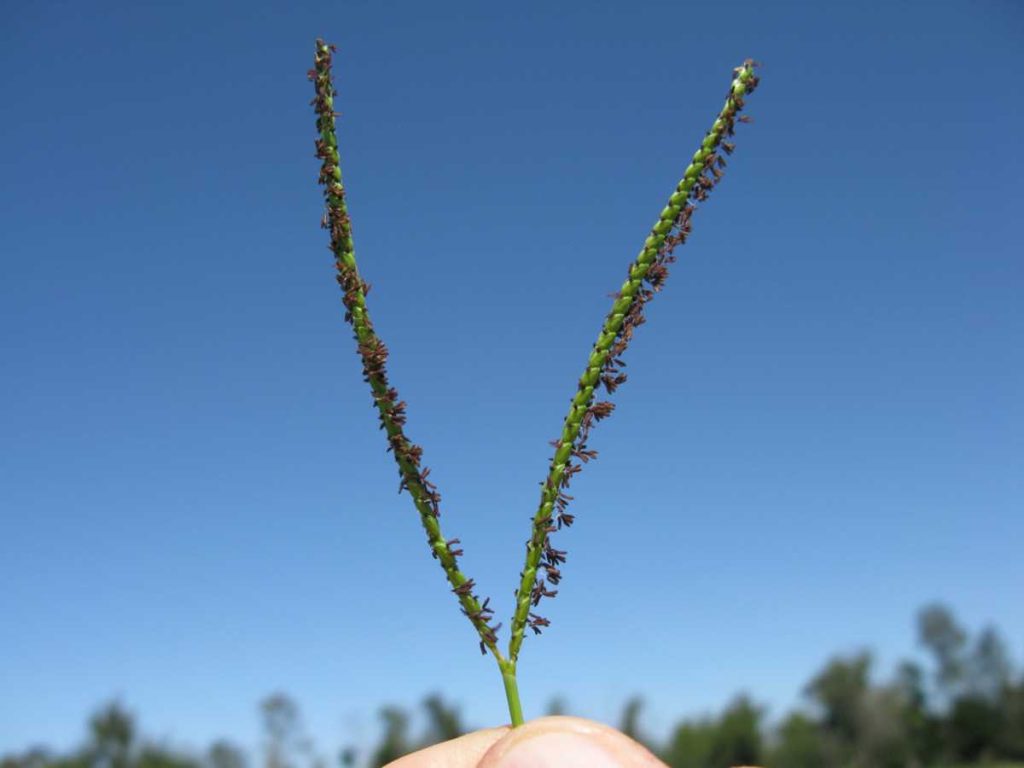
Bahia grass has a remarkable ability to naturally rejuvenate itself, making it a popular choice for lawns and pastures in warm climates. If you’re wondering how it manages to reseed itself, the answer lies in its unique growth habits. Bahia grass produces seeds that fall to the ground and quickly establish new plants, ensuring its continuous spread even without human intervention. This self-sowing characteristic makes it low-maintenance and highly adaptable to its environment.
In short, Bahia grass reseeds itself through the dispersal of its seeds, which drop to the ground and grow into new plants. Its resilient nature allows it to regenerate year after year, making it ideal for areas where low upkeep is preferred.
Starting with the basics, Bahia grass is a warm-season perennial that thrives in hot, sunny conditions. Its ability to reseed itself naturally is a key factor in its popularity for lawns and pastures, especially in the southern United States. The grass spreads through both its creeping roots and its seeds, which are produced abundantly during its growing season. When the seeds mature and fall to the soil, they have the right conditions to germinate and grow into new plants, effectively perpetuating the grass’s presence on the landscape with minimal effort. This natural reseeding process means that once established, Bahia grass can maintain itself for years, becoming a resilient ground cover that stands up to drought, heavy foot traffic, and mowing.

How Does Bahia Grass Reseed Itself?
Understanding Bahia Grass and Its Growth Cycle
Bahia grass is a warm-season grass that thrives in hot, sunny climates. It is well-known for its drought resistance and ability to grow in poor soil conditions. Its growth cycle depends heavily on temperature, rainfall, and soil health, which influence how it reseeds itself naturally.
During the warmer months, Bahia grass enters a period of active growth. This is when it produces seeds and spreads across the area. Its life cycle is synchronized with the climate, allowing it to reseed effectively when conditions are right.
Seed Production in Bahia Grass
A key aspect of how Bahia grass reseeds itself is seed production. The grass produces seed heads that emerge from the plant’s stems. These seed heads contain numerous seeds, which are vital for natural reseeding.
The seeds are generally small, lightweight, and capable of dispersing over distances. This helps Bahia grass spread automatically across different parts of the lawn or pasture. Seeds mature during the late summer and early fall, aligning with the warm weather.
How Seeds Are Dispersed
Bahia grass seeds are dispersed primarily through wind and animals. When the seed heads mature, the wind can carry the seeds to new locations, especially if the weather is windy.
Animals, such as birds or grazing mammals, can also help in seed dispersal. They may carry seeds on their fur or accidentally ingest and later deposit them in new areas through their droppings.
Factors Affecting Seed Dispersal
Several factors influence how effectively Bahia grass reseeds itself through seed dispersal, such as:
- Weather conditions like wind speed and rainfall
- Presence of animals that can carry seeds
- Soil disturbance which creates opportunities for seeds to settle
These elements determine how fast and how far the grass can spread on its own.
Germination Process of Bahia Grass Seeds
Once dispersed, Bahia grass seeds need the right conditions to germinate. Proper soil temperature, moisture, and light are necessary for the seeds to sprout successfully.
Typically, seed germination occurs in late spring and early summer. The soil must be warm enough, usually between 70°F and 90°F, for the seeds to start growing.
Steps of Germination
The germination process involves several stages:
- The seed absorbs water and swells.
- The seed’s outer shell softens, and the embryo inside begins to grow.
- Root (radicle) emerges first, anchoring the seed to the soil and absorbing nutrients.
- Once the root is established, the shoot (coleoptile) pushes upward, breaking through the soil surface.
- Grass blades develop, and the plant begins its growth cycle anew.
Ensuring good soil contact and adequate moisture increases germination success.
Self-Reseeding vs. Overseeding
Bahia grass reseeding itself refers mainly to its natural process of producing seeds that grow into new plants without human help. This contrasts with overseeding, where new seeds are manually spread to thicken the lawn.
Self-reseeding is advantageous because it maintains the grass’s health and coverage without additional planting. However, overseeding can be used to enhance density or introduce new varieties.
Environmental Conditions Favoring Bahia Grass Reseeding
Certain environmental factors encourage Bahia grass to reseed effectively:
- Warm temperatures are essential for seed germination and growth.
- Consistent moisture helps seeds develop and plants establish roots.
- Open soil areas provide space for seeds to settle and grow without competition.
- Proper mowing practices can stimulate seed head production and reseeding.
Maintaining these conditions ensures Bahia grass can naturally reseed and recover after damage or drought.
Managing Bahia Grass for Optimal Reseeding
Gardeners and farmers can take specific steps to promote Bahia grass reseeding:
- Limit excessive mowing, especially during seed head production phase.
- Avoid over-application of fertilizers that might encourage excessive lush growth at the expense of seed production.
- Allow areas to experience some soil disturbance; light tillage can help seeds settle and root better.
- Maintain proper watering schedules, especially during dry spells, to support seed germination.
By managing these factors, Bahia grass can reseed itself more effectively and create a dense, healthy turf.
Natural Challenges to Bahia Grass Reseeding
Despite its ability to reseed naturally, several challenges can hinder this process:
- Competition from weeds that overshadow or overshadow Bahia seedlings.
- Extreme drought conditions can prevent seed germination or kill young seedlings.
- Over-mowing can reduce seed production, limiting the grass’s ability to reseed itself.
- Soil compaction, which restricts seedling growth and root development.
Addressing these issues helps ensure a thriving, self-sustaining Bahia grass lawn.
Comparison with Other Warm-Season Grasses
Bahia grass’s reseeding characteristics can be compared with grasses like Bermuda or Zoysia:
| Feature | Bahia Grass | Bermuda Grass | Zoysia Grass |
|---|---|---|---|
| Reseeding Ability | Self-seeds effectively through seed heads | Produces creeping stolons and rhizomes, less seed reliance | Reproduces mainly through stolons and rhizomes, minimal seed reseeding |
| Growth Rate | Moderate to fast in warm weather | Fast growth and aggressive spreading | Slower growth, more shade tolerant |
| Maintenance | Low to moderate | High, requires regular mowing and fertilization | Low, but occasional dethatching needed |
Understanding these differences helps in selecting the best grass for your area based on reseeding needs.
Summing It Up
Bahia grass’s ability to reseed itself relies on its seed production, dispersal mechanisms, and favorable environmental conditions. Its resilience and low-maintenance nature make it a popular choice in warm climates. Proper management can enhance its natural reseeding process, resulting in a lush, healthy lawn or pasture.
Ensuring optimal growth conditions, controlling competition, and understanding its growth cycle are key to leveraging Bahia grass’s natural reseeding abilities. With patience and proper care, Bahia grass can maintain itself over the years, reducing the need for replanting and ensuring continuous coverage.
Why your LAWN is going to SEED & How to STOP it
Frequently Asked Questions
What natural processes allow Bahia grass to regenerate after being damaged?
Bahia grass naturally regenerates through its vigorous root system and seed production. When the top growth is damaged, the extensive underground rhizomes and stolons help the grass quickly send out new shoots. Additionally, the grass produces seeds that can germinate and establish new plants, ensuring recovery even after heavy wear or disturbance.
How do environmental conditions influence Bahia grass reseeding?
Optimal environmental conditions, such as warm temperatures, ample sunlight, and adequate moisture, promote Bahia grass’s reseeding process. These conditions encourage seed germination and root growth. Conversely, drought or shade can slow down natural reseeding, making it more dependent on existing plants or overseeding efforts to maintain coverage.
Can regular mowing affect Bahia grass’s ability to reseed itself effectively?
Regular mowing influences Bahia grass’s reseeding by stimulating lateral growth and maintaining healthy turf. However, cutting too short may reduce seed production and limit the spread of new shoots. Proper mowing height, typically around 3 to 4 inches, balances turf health with seed dispersal, aiding natural reseeding processes.
What role do soil conditions play in Bahia grass reseeding?
Healthy, well-draining soil with balanced nutrients supports Bahia grass’s reseeding ability. Good soil conditions promote vigorous root and shoot development, leading to better seed production and establishment. Poor soil health can hinder seed germination and root growth, making overseeding more necessary to maintain a dense turf.
Final Thoughts
Bahia grass reseeds itself through natural processes. During warm months, it produces seeds that fall to the ground and germinate quickly. This self-seeding helps maintain a dense, healthy lawn. Regular mowing and proper watering encourage the seed dispersal.
The grass’s ability to reseed itself makes it low-maintenance and ideal for lawns. By understanding how does bahia grass reseed itself, homeowners can better manage lawn care routines. Proper cultural practices ensure the grass continues to thrive year after year.