Spring is a crucial time for your lawn, but pests can quickly turn your green oasis into a buffet. This guide helps you identify common spring invaders like grubs, chinch bugs, and sod webworms, and offers effective management strategies. By understanding their signs and implementing timely solutions, you can ensure a healthy, vibrant lawn all season long.
Spring is finally here! The days are getting longer, the birds are singing, and your lawn is starting to wake up from its winter slumber. It’s the perfect time to get out there, enjoy the fresh air, and start thinking about making your yard look its best. However, as your lawn begins its recovery and new growth emerges, so too do some unwelcome guests: spring lawn pests. These little critters can wreak havoc on your turf, leaving you with bare patches, discolored grass, and a whole lot of frustration. But don’t worry, with a little knowledge and the right approach, you can keep your lawn healthy and pest-free.
Understanding and identifying spring lawn pests is the first step towards effective management. Many common lawn pests are most active and cause the most damage during the spring and early summer months as they emerge from dormancy, feed, and reproduce. By knowing what to look for and when, you can get ahead of the problem and protect your investment in a beautiful lawn. This comprehensive guide will walk you through the most common spring lawn pests, how to spot them, and the best ways to manage them.
## Identifying Common Spring Lawn Pests
The spring season brings a variety of insect activity to your lawn. Some of these pests are more noticeable than others, and their damage can vary significantly. Learning to identify the common culprits is crucial for implementing the right management strategies.
### Grubs
White grubs are the C-shaped larvae of several species of beetles, including Japanese beetles and June bugs. While the adult beetles can be a nuisance, it’s the grub stage that causes significant lawn damage. They feed on the roots of your grass, effectively severing its access to water and nutrients.
Signs of Grub Infestation:
- Irregular brown or yellowish patches that don’t respond to watering.
- The grass feels spongy and can be easily lifted like a carpet, revealing the grubs underneath.
- Increased activity of animals like birds, skunks, and raccoons digging in your lawn to feed on the grubs.
- Damage often appears in late spring or early summer as grubs mature.
### Chinch Bugs
Chinch bugs are small, winged insects that are particularly fond of sunny, dry areas of the lawn. They suck the sap from grass blades, injecting a toxin that causes the grass to turn yellow and eventually brown, often appearing as irregular patches.
Signs of Chinch Bug Infestation:
- Yellow or brown patches, especially in full sun.
- The damage can spread rapidly, especially during hot, dry weather.
- You might notice the grass blades turning reddish-brown.
- If you get down on your hands and knees and part the grass, you may see the small, dark-bodied insects with white markings on their wings.
### Sod Webworms
Sod webworm caterpillars are the larval stage of lawn moths. These pests are nocturnal feeders and chew on grass blades close to the soil surface. Their feeding can create small, irregular brown patches that can expand over time, especially during dry periods.
Signs of Sod Webworm Infestation:
- Small, irregular patches of brown or thinning grass.
- The grass may look ragged or chewed.
- You might see fine, sawdust-like frass (insect droppings) on the soil surface.
- At dusk or dawn, you may see small moths flying erratically just above the lawn surface.
### Billbugs
Billbugs are a type of weevil that can cause significant damage to lawns, particularly in the spring. The adult billbugs lay eggs in grass stems, and the larvae burrow into the grass, feeding on the roots and crown. This can lead to wilting and browning of the grass.
Signs of Billbug Infestation:
- Yellowing and wilting grass that looks like drought stress, even when watered.
- Holes in grass blades where adults have fed or laid eggs.
- Grass can be pulled up easily because the root system has been damaged.
- You might find small, legless, C-shaped larvae in the soil near the grass roots.
## Understanding Pest Life Cycles for Effective Management
Knowing when pests are most vulnerable is key to successful control. Most lawn pests have distinct life cycles, and targeting them during their weakest stage significantly improves your chances of eradicating the problem. Understanding these cycles allows for more strategic interventions.
The Grub Cycle: Targeting the Root of the Problem
Grubs overwinter in the soil and become active feeders in the spring as the soil warms up. This is a critical time for treatment, especially if you had issues the previous year. As they mature and feed, they cause the most noticeable damage. Adult beetles emerge later in the summer to lay more eggs, starting the cycle anew. For effective management, focus on treating the grub stage in spring or fall when they are closer to the surface and more susceptible to insecticides.
Chinch Bug Dynamics: Hot, Dry Conditions Favor Them
Chinch bugs thrive in hot, dry conditions. While they are present year-round, their populations explode and their damage becomes most apparent during warm, dry spells in late spring and summer. This is when they are actively feeding and reproducing. Monitoring your lawn for signs of stress during these periods is crucial. Early detection during their active feeding stages allows for more effective control before they cause widespread damage.
Sod Webworm Activity: Moths and Caterpillars
Sod webworm moths are typically most active in late spring and early summer. They lay their eggs on or near grass blades. The larvae hatch and begin feeding, often at night. Their damage can be sporadic and may worsen during dry weather. Keeping an eye out for the adult moths flying erratically over the lawn at dusk is a good indicator that eggs have been laid and caterpillars will soon emerge.
Billbug Emergence and Larval Development
Adult billbugs become active in early spring as temperatures rise. They feed on grass blades and then bore into the stems to lay eggs. The larvae then hatch and begin feeding on the roots. This root-feeding stage, occurring in late spring and early summer, is when the most significant damage is seen. Early spring treatments targeting the adult billbugs before they lay eggs can be highly effective.
- Early Detection is Key: Regularly inspect your lawn for discoloration, thinning patches, or visible insects to catch infestations before they become severe.
- Understand Your Enemy: Learn to recognize the tell-tale signs of common spring pests like grubs, chinch bugs, and sod webworms to choose the most effective treatment.
- Integrated Pest Management (IPM): Combine cultural practices, biological controls, and targeted chemical applications for sustainable pest control.
- Healthy Turf is Resilient: Proper watering, mowing, and fertilization strengthen your lawn, making it less susceptible to pest damage.
- Targeted Treatments: Use specific insecticides or biological controls only when and where needed, following product instructions carefully.
- Preventative Measures: Maintain a healthy lawn ecosystem that naturally deters pests through beneficial insects and healthy soil.
Quick Answers to Common Questions
What are the most common signs of grub damage on a lawn?
Signs of grub damage include irregular brown or yellow patches that don’t respond to watering, a spongy feel to the turf that can be easily lifted, and increased digging activity by animals like birds and raccoons.
When is the best time to treat for grubs?
The most effective times to treat for grubs are in the late spring or early fall when they are actively feeding closer to the soil surface and are more susceptible to insecticides.
How can I tell if I have chinch bugs?
Look for yellow or brown patches in sunny areas of your lawn that resemble drought stress. Get close to the grass and part the blades to see small, dark-bodied insects with white markings on their wings.
Are beneficial nematodes safe for pets and children?
Yes, beneficial nematodes are microscopic roundworms that are naturally occurring and are harmless to humans, pets, birds, and earthworms. They specifically target soil-dwelling insect larvae.
What should I do if I suspect a severe pest infestation?
If you have a severe infestation that you cannot control with DIY methods, or if you are unsure of the pest identification, it is best to contact a qualified lawn care professional for expert diagnosis and treatment.
📑 Table of Contents
Integrated Pest Management (IPM) for Sustainable Lawn Care
The most effective and environmentally responsible way to manage lawn pests is through Integrated Pest Management (IPM). IPM is a holistic approach that combines various strategies to prevent and control pests with minimal impact on human health and the environment. It’s about creating a balanced ecosystem in your lawn.
Cultural Controls: Building a Resilient Lawn
Cultural controls focus on practices that promote a healthy, vigorous lawn, making it naturally more resistant to pests.
- Proper Mowing: Mow at the correct height for your grass type. Taller grass shades the soil, keeping it cooler and moister, which is less favorable for some pests like chinch bugs. Avoid cutting too much at once; this stresses the grass. For more on this, check out our guide to lawn mowing.
- Appropriate Watering: Water deeply and infrequently to encourage deep root growth. This makes your lawn more drought-tolerant and less susceptible to drought-loving pests. Avoid overwatering, which can create conditions favorable for root diseases and some insects.
- Soil Health: Healthy soil grows healthy grass. Aerating your lawn (see this guide on aeration) and improving its structure can help roots access nutrients and water better, strengthening the turf.
- Fertilization: Feed your lawn with the right nutrients at the right time. A balanced fertilizer program ensures your grass has the resources to stay strong and fight off pests. Over-fertilizing, especially with high nitrogen, can sometimes attract certain pests.
Biological Controls: Nature’s Pest Destroyers
Biological controls involve using natural enemies of pests to keep their populations in check. This is a sustainable and eco-friendly option.
- Beneficial Nematodes: These microscopic worms can be applied to your lawn to seek out and kill grub larvae and other soil-dwelling pests. They are harmless to humans, pets, and beneficial insects.
- Beneficial Insects: Encourage natural predators like ladybugs, lacewings, and predatory mites that feed on pests like aphids or young chinch bugs. Planting a diverse range of plants that attract these beneficial insects can help create a balanced ecosystem.
Chemical Controls: Targeted and Judicious Use
When other methods aren’t enough, chemical controls can be used, but they should be a last resort and applied judiciously.
- Identify the Pest: Before using any chemical, be absolutely sure you know what pest you are dealing with. Using the wrong product is ineffective and can harm beneficial organisms.
- Choose the Right Product: Select an insecticide or nematicide specifically labeled for the pest you are targeting and for use on lawns. Read and follow label instructions precisely.
- Apply Correctly: Apply only to the affected areas. Timing is crucial; often, treatments are most effective when the pest is in a specific life stage. Consider eco-friendly or less toxic options first.
- Consider Granular vs. Liquid: Granular applications often provide longer-term control and are easier to apply evenly, while liquid applications can offer faster knockdown of pests.
For those looking for natural solutions, learning how to control lawn pests naturally can be very rewarding.
Preventative Strategies for a Pest-Resistant Lawn
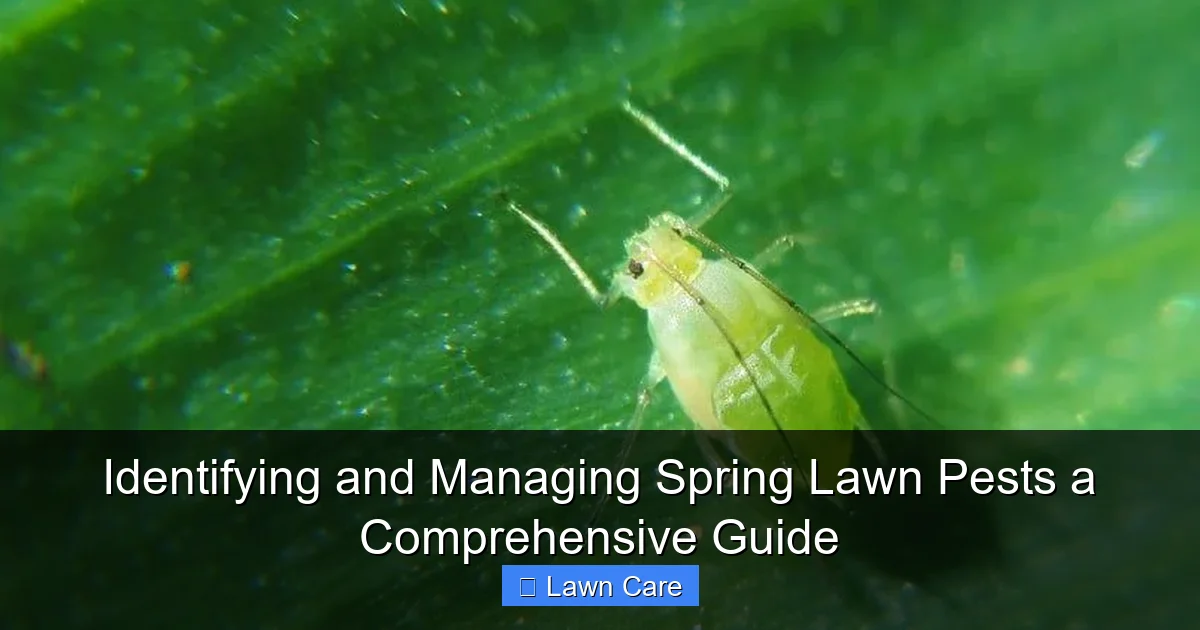
Visual guide about Identifying and Managing Spring Lawn Pests a Comprehensive Guide
Image source: thegrassoutlet.com
Prevention is always better than cure. By focusing on creating an environment that is less inviting to pests, you can significantly reduce the likelihood of infestations. A healthy lawn naturally deters many common invaders.
Boost Soil Health
Healthy soil is the foundation of a healthy lawn. Practices like core aeration, which relieves soil compaction and improves air and water circulation, and adding compost or organic matter can significantly enhance soil health. This promotes strong root development, making your grass more resilient. You can learn more about core aeration and microbial activity to understand its benefits.
Maintain Proper Lawn Height
As mentioned earlier, maintaining the ideal mowing height for your grass type is a simple yet effective preventative measure. Taller grass blades help shade the soil, reducing moisture loss and creating a less favorable environment for pests that prefer dry, sunny conditions. It also helps the grass blades recover quickly from any minor damage.
Encourage Beneficial Wildlife
Creating a habitat that supports beneficial insects and birds can naturally help keep pest populations in check. Planting a variety of flowering plants around the edges of your lawn can attract ladybugs, lacewings, and other predators that feed on lawn pests. Providing a water source can also encourage birds that eat insects.
Regular Lawn Inspections
Make it a habit to walk your lawn regularly, especially during the spring and summer months. Look for any signs of discoloration, thinning areas, or unusual insect activity. The sooner you spot a problem, the easier and less costly it will be to manage. This proactive approach is part of good lawn care throughout the seasons.
Seasonal Lawn Care and Pest Management
The timing of your lawn care practices is critical for pest management. Spring is a transitional period, and addressing potential issues early can set your lawn up for a healthy season.
Early Spring Preparations
As winter fades, it’s time to assess your lawn’s condition. Rake up any debris, and if you notice extensive winter damage or suspect grub activity from the previous fall, consider early treatment. This is often the best time to apply preventative grub control products, as they target the grubs before they cause significant damage as they emerge from dormancy.
Late Spring Vigilance
By late spring, temperatures are rising, and pest activity is increasing. This is when you might start seeing the damage from chinch bugs, sod webworms, and developing grub populations. Continue with regular inspections. If you see signs of infestation, it’s time to implement targeted treatments. This is also a good time for your first spring mowing of the season, following best practices for a healthy cut.
Ongoing Care Throughout the Season
Don’t stop monitoring your lawn once spring ends. Pests can persist throughout the summer. Continue with proper watering, mowing, and fertilization as part of your overall lawn maintenance. A strong, healthy lawn is your best defense against pest problems. For a complete overview, consult a month-by-month lawn care guide.
When to Seek Professional Help
While this guide provides comprehensive information, there are times when calling in the professionals is the best course of action. If you have a severe infestation that you can’t control, if you’re unsure about pest identification, or if you’ve tried various methods without success, a qualified lawn care professional can provide expert diagnosis and treatment. They have access to specialized products and knowledge to effectively manage stubborn pest problems and can offer advice tailored to your specific lawn and local conditions.
In conclusion, keeping your spring lawn free from pests is achievable with a proactive and informed approach. By understanding the common invaders, recognizing their signs, and implementing a combination of cultural, biological, and judicious chemical controls, you can ensure your lawn remains a healthy, vibrant sanctuary. Regular inspection and timely action are your most powerful tools in this ongoing battle for a beautiful lawn.
Frequently Asked Questions
How can I prevent spring lawn pests naturally?
To prevent pests naturally, focus on building a healthy lawn ecosystem. This includes maintaining good soil health through aeration and organic matter, watering deeply and infrequently, mowing at the correct height, and encouraging beneficial insects that prey on pests.
What is the difference between a grub and a sod webworm?
Grubs are C-shaped, white larvae that feed on grass roots, causing the lawn to feel spongy and lift easily. Sod webworm caterpillars are larval moths that chew on grass blades near the soil surface, leading to patchy, ragged-looking areas.
Can a healthy lawn really deter pests?
Absolutely. A well-maintained lawn with strong root systems and dense turf is more resilient to pest attacks. Healthy grass can better withstand minor damage and recover more quickly, making it a less attractive target for many common pests.
Should I water my lawn differently if I suspect pests?
In general, watering deeply and infrequently promotes healthy root growth, which is the best defense against many pests. However, some pest treatments might require specific watering instructions, so always follow the product label’s recommendations.
What are the risks of using chemical pesticides on my lawn?
Chemical pesticides can harm beneficial insects, pollinators, pets, and humans if not used correctly. They can also contaminate groundwater. It’s crucial to use them as a last resort, target only the affected areas, and follow all label instructions precisely.
How often should I inspect my lawn for pests?
It’s recommended to inspect your lawn at least weekly, especially during peak pest seasons like spring and summer. Pay close attention to areas that show signs of stress, discoloration, or thinning.