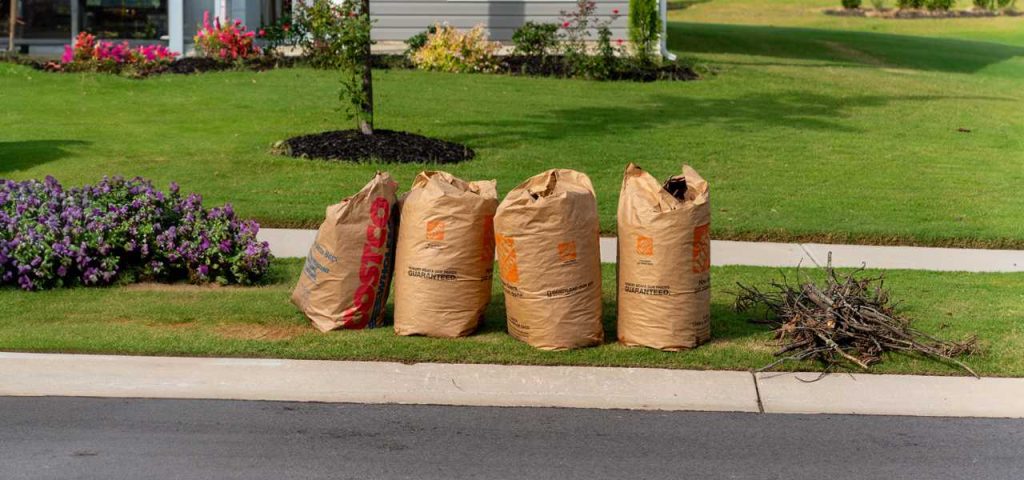
To make the most of municipal lawn waste collection services, simply follow your local guidelines for scheduling, preparation, and disposal. Ensure your yard waste is bundled or placed in the designated bins, and be aware of pickup days to avoid missed collections. This way, you’ll keep your yard tidy and compliant without any hassle.
In brief, using municipal lawn waste collection services involves knowing your collection schedule, properly preparing your yard waste, and placing it out for pickup according to local rules. This straightforward process helps keep your neighborhood clean and saves you time and effort.
Keeping your lawn looking neat doesn’t have to be complicated. When you understand how the municipal waste collection works, it becomes easy to dispose of your yard debris efficiently. Most cities offer clear instructions on what to bin, how to bundle branches, and the collection days. By staying organized and following these guidelines, you can enjoy a beautiful yard and contribute to a cleaner community without stressing over waste management.

How to use municipal lawn waste collection services
Understanding the purpose of municipal lawn waste collection
Municipal lawn waste collection helps keep neighborhoods clean and healthy. It provides a simple way for residents to dispose of grass clippings, leaves, and small branches. Knowing how the service works makes it easier to participate effectively.
Checking your local waste collection schedule
First, find out the collection schedule for your area. Most municipalities share this information on their websites or through community notices. Collection days may vary depending on your neighborhood or the type of waste.
How to find your collection days
- Visit your city or town’s official website
- Call your local waste management office
- Look for community flyers or newsletters
Important tips about schedules
Always mark your calendar with collection days. Place waste out the evening before or early in the morning of your scheduled day. Regularly check for any updates or changes due to holidays or special events.
Preparing your yard waste for collection
Properly preparing yard waste ensures efficient pickup and prevents delays. It also keeps your property safe and tidy.
Following size and weight limits
Municipal services often specify maximum sizes for bundled yard waste. Usually, branches should be no longer than 4 feet and bundles weigh less than 50 pounds. Check your local guidelines for precise measurements.
Properly bundling yard waste
Use twine or biodegradable string to bundle grass, leaves, and small branches. Keep bundles neat and manageable, avoiding loose or scattered waste. Clear bundles help workers load waste quickly and safely.
Using the correct containers and bags
Many municipalities accept yard waste in designated containers or biodegradable bags. Using approved containers helps sort waste efficiently and prevents contamination.
Selecting appropriate containers
Use large, sturdy containers made specifically for yard waste if your municipality provides them. Make sure the containers are clean and free from other types of waste.
Using biodegradable bags
If bags are required, choose biodegradable or compostable options. Transparent or semi-transparent bags make it easier for workers to see the contents, ensuring compliance.
Understanding what materials are accepted and what are not
Different municipalities may have specific lists of acceptable materials. Knowing these helps avoid contamination and unnecessary pickup issues.
Acceptable materials include
- Grass clippings
- Leaves
- Small branches and twigs
- Plant trimmings
Materials not accepted
- Roots
- Dirty or plastic bags
- Large branches over the size limit
- Soil or rocks
How to handle large or difficult yard waste
Sometimes you might have more waste than fits in your containers or bundles. Municipal programs often provide options for extra or special pickup.
Scheduling extra pickups
Contact your waste management office ahead of time if you have large amounts of waste. Many services allow booking additional pickups for a fee or free during certain times.
Using drop-off locations
Some municipalities offer designated drop-off centers for yard waste. These centers are ideal for large or irregular materials that do not fit standard collection methods.
Tips for safe and environmentally friendly disposal
Participate in composting whenever possible. Composting yard waste reduces landfill use and creates valuable soil amendments.
Benefits of composting
Composting turns organic waste into rich compost that benefits your garden. It decreases the volume of waste sent to landfills and produces no harmful emissions.
How to compost effectively
Create a compost bin or pile in your yard. Add yard waste in layers with other compostable materials like vegetable scraps. Keep the pile moist and turn it regularly for even decomposition.
Addressing common issues with yard waste collection
Sometimes collection may be delayed or not happen as expected. Understanding common issues and solutions keeps your yard tidy without stress.
Delay or missed pickups
Verify your collection schedule and ensure waste was placed out correctly. Contact your municipality if pickups are missed repeatedly.
Contaminated waste or improper packaging
Ensure only accepted materials are in the containers or bundles. Remove any non-compostable items immediately to prevent service interruptions.
Dealing with special circumstances
If you have storm debris, large trees, or construction waste, these often require special disposal methods. Consult your waste management authority for guidance.
Additional resources and community programs
Many municipalities offer classes, workshops, or online guides to help residents manage yard waste effectively. Joining community programs can lead to better waste management practices.
Local composting programs
Some cities provide compost bins at subsidized rates or organize community composting sites. These programs promote sustainable waste reduction.
Community clean-up days
Participate in local clean-up events that focus on yard and street cleaning. These activities enhance neighborhood appearance and promote environmental awareness.
Maintaining an eco-friendly yard
Using municipal yard waste collection services is just part of sustainable yard care. Incorporate practices that minimize waste and benefit the environment.
Sustainable lawn care practices
Avoid over-mowing and apply natural fertilizers. Let grass clippings stay on the lawn to act as natural mulch.
Planting with native species
Choose native plants that require less water and maintenance. These plants produce less yard waste and support local ecosystems.
Reducing yard waste through thoughtful planning
Design your yard to minimize pruning and trimming. Use trees strategically to reduce the need for frequent cleanup.
By understanding these detailed steps, you can make the most of municipal lawn waste collection services. Proper preparation and participation not only keep your neighborhood clean but also support local environmental efforts. Following guidelines and tips ensures a smooth process and helps you dispose of yard waste responsibly.
City hopes to use federal funding to help with yard waste collection
Frequently Asked Questions
How can residents schedule their lawn waste collection appointments?
Residents should check their local municipal website or contact the city’s waste management office to find available scheduling options. Many municipalities offer online booking systems where you can select specific dates for pickup, or you may call the designated hotline to set up appointments. Be sure to follow any registration procedures and provide necessary details like your address and preferred pickup times.
What items are accepted in municipal lawn waste collection services?
Typically, municipalities accept grass clippings, leaves, small branches, and plant debris. It’s important to follow guidelines regarding size and packaging, such as bundling branches within a specified diameter or placing yard waste in designated containers or biodegradable bags. Check local regulations to avoid having unacceptable materials, like dirt or plastic, included in your collection.
How should I prepare my yard waste for collection to ensure it is accepted?
Prepare your yard waste by bundling clippings and small branches together, making sure they are manageable to lift and transport. Place the waste in biodegradable bags or in approved containers if required, and keep them accessible at the curb on your scheduled pickup day. Clearing the waste from your yard in advance helps the collection process run smoothly and prevents delays.
What should I do if my yard waste isn’t collected on the scheduled day?
If your yard waste isn’t collected on the scheduled day, first check for any notices or updates from your municipal waste department. Sometimes, collection may be delayed due to weather or other operational reasons. Contact your local office to inquire or report the issue. Ensure your waste was prepared according to guidelines, as improper disposal might cause collection delays.
Are there any restrictions on the quantity of yard waste I can submit for collection?
Most municipalities specify limits on the amount of yard waste you can submit at one time, such as a certain volume per household or a maximum number of bundling. Exceeding these limits may require scheduling additional pickups or arranging alternative disposal methods. Always refer to your local rules to stay within the set limits and avoid service interruptions.
Final Thoughts
To use municipal lawn waste collection services effectively, first check your local guidelines for waste types and collection days. Place yard debris in designated containers or biodegradable bags provided by the municipality. Keep safety in mind by bundling branches and removing non-organic items.
Following these steps ensures smooth collection and a tidy yard. Remember, understanding how to use municipal lawn waste collection services optimizes your efforts and maintains community cleanliness.