If you’re dealing with grass fungus, a natural treatment can help restore your lawn to its former glory. One effective solution is to improve air circulation by mowing regularly and avoiding excessive watering. Additionally, applying a mixture of baking soda and water can help combat fungal growth. Another option is to use a homemade tea made from chamomile or neem oil, both known for their antifungal properties. By adopting these simple practices, you can treat grass fungus naturally and keep your lawn healthy without the use of harsh chemicals.
Maintaining a lush, green lawn can be a challenge, especially when pesky grass fungus makes its unwelcome appearance. Not only can this fungal growth detract from the beauty of your yard, but it can also harm the overall health of your grass. Thankfully, nature offers several remedies that are effective and easy to implement. In this article, we’ll explore various natural methods to treat grass fungus, helping you achieve a vibrant and healthy lawn without resorting to chemical treatments. Get ready to learn how to embrace the power of nature in your gardening efforts!

How to Treat Grass Fungus Naturally
Grass fungus can be a pesky problem for any lawn owner. It not only ruins the appearance of your yard but can also affect the health of your grass. Luckily, there are natural ways to tackle this issue effectively. By following some straightforward steps, you can treat grass fungus naturally and restore the beauty of your lawn.
Understanding Grass Fungus
Before diving into treatment methods, it’s vital to understand what grass fungus is. Fungi are organisms that thrive in moist environments, often spreading in lawns during rainy seasons or in areas with poor drainage.
Common types of grass fungus include:
- Brown Patch
- Dollar Spot
- Powdery Mildew
- Rust Fungus
These fungi can cause patches of discolored grass, making your lawn look unhealthy. Identifying the type of fungus is essential for effective treatment.
Signs of Grass Fungus
Recognizing the symptoms of grass fungus is the first step in dealing with it. Here are some common signs to look for:
- Yellow or brown patches on the grass
- Mushy or slimy spots on the lawn
- Spots with white, powdery substance
- Rust-colored streaks or spots on grass blades
If you notice any of these signs, it’s time to take action.
Factors Contributing to Grass Fungus
Understanding the factors that contribute to grass fungus can help prevent future outbreaks. The most common contributors include:
- Excess moisture in the soil
- Poor air circulation around grass
- Over-fertilizing your lawn
- High humidity levels
By addressing these factors, you can create a healthier environment for your grass.
Natural Ways to Treat Grass Fungus
Now that you know what grass fungus is and how to identify it, let’s explore some natural treatments. These methods can help eliminate fungus without harsh chemicals.
1. Improve Drainage
If your lawn retains too much moisture, it can encourage fungus growth. Improving drainage can help combat this issue. Here are some steps to consider:
- Clear debris from your lawn
- Install French drains or trenches
- Aerate the soil to promote water movement
These steps promote a healthier environment for your grass.
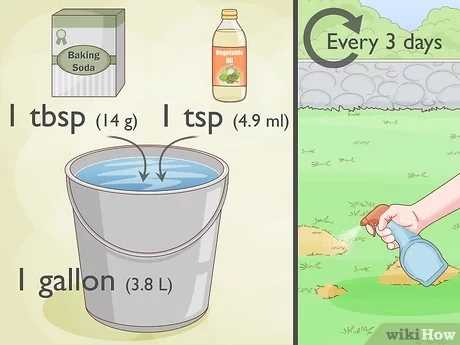
2. Use Baking Soda
Baking soda is a natural fungicide that can treat grass fungus effectively. You can create a simple spray:
- Mix one tablespoon of baking soda with a gallon of water.
- Add a few drops of liquid soap to help the solution stick to the grass.
- Spray the affected areas in the early morning or late evening.
This treatment can help reduce the spread of fungi.
3. Apply Vinegar Solutions
Vinegar is another effective natural remedy. Its acidity can combat fungal growth. Here’s how to use it:
- Mix one part vinegar with four parts water.
- Spray the solution directly onto affected areas.
- Do not over-apply, as vinegar can harm the grass.
Use this method cautiously to see results.
4. Milk Spray
Milk is not just for drinking; it can also help combat grass fungus. It contains proteins that can fight off fungal infections. Here’s how to use it:
- Mix one part milk with two parts water.
- Spray the mixture on the affected areas.
- Repeat weekly until symptoms improve.
This treatment is safe and effective for many types of fungi.
5. Essential Oils
Certain essential oils have antifungal properties. Here are a few you can use:
- Tea Tree Oil
- Oregano Oil
- Thyme Oil
To apply, mix a few drops of essential oil with water. Spray on the affected areas, ensuring even coverage.
Preventing Grass Fungus
Prevention is always better than cure. Here are some tips to keep your lawn healthy and fungus-free:
- Ensure proper watering practices.
- Keep your mower blades sharp.
- Fertilize wisely and avoid over-fertilization.
- Ensure good air circulation by not overcrowding grass.
Following these practices can significantly reduce the risk of future fungal outbreaks.
Healthy Lawn Practices
Establishing healthy lawn care practices is crucial for maintaining a vibrant grass ecosystem. Here are some beneficial practices to implement:
- Mow regularly but avoid cutting grass too short.
- Water your lawn early in the morning.
- Use organic fertilizers when possible.
- Regularly check for signs of pests and diseases.
These actions will contribute to a healthier lawn.
When to Seek Professional Help
Sometimes, despite your best efforts, fungal issues may persist. In such cases, it might be time to seek help from professionals. Here are some signs that indicate you need expert assistance:
- The fungus spreads rapidly, affecting large areas.
- Home remedies do not yield results after a few applications.
- You’re unsure about the type of fungus affecting your grass.
A lawn care professional can provide targeted treatments and advice.
In summary, treating grass fungus naturally involves understanding the problem, using natural solutions, and practicing good lawn care habits. With the right approach, you can restore the health of your lawn and keep it looking beautiful all season long. Remember, a healthy lawn isn’t just about aesthetics; it’s about creating a vibrant ecosystem where grass can thrive. By implementing these strategies, you can enjoy a lush, green yard free from the blemishes of grass fungus.
Stop Lawn Fungus From Growing in Your Lawn (4 Easy Steps)
Frequently Asked Questions
“`html
What are some natural remedies for treating grass fungus?
Several natural remedies can effectively treat grass fungus. One popular option is using a mixture of apple cider vinegar and water. Mix one part vinegar with three parts water and spray it on the affected areas. Additionally, applying a mixture of baking soda and water can help; combine one tablespoon of baking soda with a gallon of water and spray it on your lawn. Another effective remedy is using compost tea, which enriches the soil with beneficial microorganisms that combat fungal growth.
How can I prevent grass fungus from returning?
To prevent the recurrence of grass fungus, ensure proper lawn care practices. Mow your grass regularly and avoid cutting it too short, as taller grass promotes better air circulation and reduces humidity. Water your lawn early in the morning to allow grass blades to dry before evening, decreasing the chances of fungus development. Additionally, aerate your lawn and apply organic fertilizers to promote healthy growth and strengthen your grass against diseases.
Is there a way to improve soil health to combat grass fungus?
Improving soil health is crucial in combating grass fungus. Incorporating organic matter, such as compost, enhances soil structure and allows for better drainage, which reduces moisture levels conducive to fungal growth. Conduct a soil test to determine nutrient deficiencies and amend as needed. Planting cover crops during the off-season can also improve soil quality and support beneficial microorganisms that help fight off pathogens.
Can I use household items to treat grass fungus?
Yes, you can effectively use several household items to treat grass fungus. For instance, a mixture of water and hydrogen peroxide can help; combine one part hydrogen peroxide with ten parts water and spray it on the affected areas. Dish soap can also serve as an additive when mixed with baking soda and water, enhancing the treatment’s effectiveness. These options provide an accessible and cost-effective method to manage fungal issues in your lawn.
What role does sunlight play in preventing grass fungus?
Sunlight plays a vital role in preventing grass fungus by promoting dryness and reducing humidity levels in the lawn. Grass that receives adequate sunlight is less likely to develop fungus, as sunlight helps to dry out moisture trapped between grass blades. Ensure that your lawn isn’t shaded by overgrown trees or shrubs, as this can create an environment where fungus thrives. Pruning trees and maintaining proper lawn density can improve sunlight penetration.
“`
Final Thoughts
To treat grass fungus naturally, focus on maintaining healthy soil and proper drainage. Regularly aerate your lawn to improve air circulation and reduce moisture buildup.
Applying a simple mixture of baking soda and water can help combat fungal growth. Additionally, using natural fungicides like neem oil can offer effective protection without harmful chemicals.
Regular mowing and ensuring proper sunlight exposure will also keep your grass strong. Following these methods will help effectively treat grass fungus naturally and promote a lush, healthy lawn.