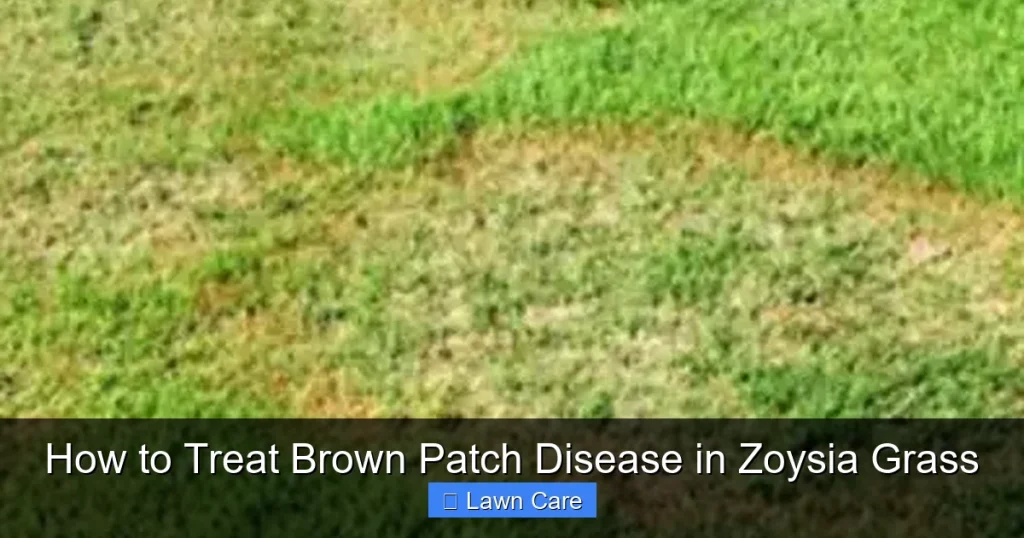
Don’t let brown patch disease ruin your Zoysia lawn! This guide covers identification, causes, and effective treatment strategies. Learn to manage moisture, improve air circulation, and use targeted fungicides to restore your grass’s health.
**Hello, fellow lawn enthusiasts!** If you’re the proud owner of a Zoysia grass lawn, you likely appreciate its lush texture and resilience. However, even the toughest grasses can fall victim to common lawn diseases. One of the most prevalent and frustrating is brown patch disease. Seeing those tell-tale circular brown spots appear can be disheartening, but don’t worry! This guide is here to help you understand and effectively treat brown patch disease in your Zoysia grass, bringing your lawn back to its vibrant best.
Brown patch disease can strike quickly, especially during the warm, humid months when conditions are just right for the fungus to spread. It’s a common problem for many grass types, and Zoysia is no exception. While it might seem daunting, with the right knowledge and approach, you can successfully combat this fungal foe and maintain a beautiful, healthy lawn. Let’s dive into how to tackle brown patch disease and keep your Zoysia looking its finest.
## Understanding Brown Patch Disease on Zoysia Grass
Before we can treat brown patch disease, it’s essential to understand what it is and how it manifests. Brown patch disease is caused by a soil-borne fungus called *Rhizoctonia solani*. This fungus is a common resident in most lawns, but it only becomes a problem under specific environmental conditions. Zoysia grass, while generally hardy, can still be susceptible.
### Identifying the Signs of Brown Patch
Recognizing brown patch early is your first line of defense. The most common symptom is the appearance of irregular, circular patches of brown or straw-colored grass. These patches can vary in size, from a few inches to several feet in diameter.
* **Color:** The affected grass typically turns tan to light brown.
* **Shape:** Patches are often circular but can merge to form larger, irregular areas.
* **Ring Formation:** A key characteristic of brown patch is the presence of a darker, smoky-gray or bluish ring around the outer edge of the patch. This ring is where the fungus is actively spreading. You might see this ring best in the morning when dew is still on the grass.
* **Lesions on Blades:** If you look closely at individual grass blades within the affected area, you might see small, dark, water-soaked spots or lesions.
* **No Dead Roots:** It’s important to note that even though the tops of the grass blades die, the roots and crowns of the plant typically remain alive, which is why prompt treatment can lead to recovery.
### Favorable Conditions for Brown Patch
*Rhizoctonia solani* thrives in specific environmental conditions, making certain times of the year more prone to outbreaks.
* **Temperature:** The fungus is most active when daytime temperatures are between 75-85°F (24-29°C), and nighttime temperatures remain above 60°F (16°C). This is why it’s common during summer and early fall.
* **Humidity and Moisture:** High humidity and prolonged periods of leaf wetness are prime breeding grounds for the fungus. This often occurs after heavy rainfall, overwatering, or when dew sits on the grass for extended periods.
* **Poor Air Circulation:** Shady areas, overgrown shrubs, or a lack of consistent breezes can trap moisture and heat, creating an ideal environment for the fungus to flourish.
* **Thatch Buildup:** A thick layer of thatch (dead grass material) can hold excessive moisture, further encouraging fungal growth.
* **Nitrogen Fertilization:** While essential for lawn health, excessive or late-season nitrogen fertilization can sometimes make the grass more susceptible.
## Natural and Cultural Approaches to Treating Brown Patch
Before you reach for chemical solutions, focusing on cultural practices can often be highly effective in managing and preventing brown patch disease. These methods address the underlying environmental factors that allow the fungus to thrive.
### Managing Watering Practices
Improper watering is one of the biggest culprits behind brown patch disease. The goal is to keep the grass healthy without creating a damp environment conducive to the fungus.
* **Water Deeply, Infrequently:** Instead of light, frequent watering, aim for longer watering sessions that soak the soil deeply. This encourages deeper root growth, making the grass more resilient. Water only when the lawn shows signs of stress, like a slight wilting or dulling of color.
* **Water in the Morning:** The best time to water your Zoysia grass is early in the morning, ideally between 4 AM and 10 AM. This allows the grass blades to dry off during the day, reducing the amount of time the fungus has to infect them. Avoid watering in the evening, as this leaves the grass wet overnight.
* **Check Your Irrigation System:** Ensure your sprinklers are watering evenly and efficiently. Adjust heads if necessary to avoid dry spots or overwatering specific areas.
### Improving Air Circulation
Good airflow helps grass blades dry out faster, significantly reducing the risk of fungal diseases.
* **Prune Nearby Vegetation:** Trim back trees and shrubs that are shading the lawn or blocking airflow. This allows more sunlight to reach the grass and lets the breeze circulate more freely.
* **Aeration:** Core aeration is a process that removes small plugs of soil and thatch from your lawn. This improves air and water penetration to the root zone and helps break down thatch. For Zoysia grass, aerating in late spring or early summer, when the grass is actively growing, is ideal. Consider doing this annually or biennially.
### Proper Mowing Techniques
How you mow your lawn also plays a role in its health and resilience.
* **Mow at the Correct Height:** Zoysia grass prefers to be mowed at a height of 1 to 2.5 inches. Mowing too low can stress the grass and make it more susceptible to diseases.
* **Keep Mower Blades Sharp:** Dull mower blades tear grass blades, creating ragged edges that are more prone to disease and look unsightly. Sharpen your mower blades regularly.
* **Remove Grass Clippings (if necessary):** While it’s often beneficial to leave grass clippings on the lawn to return nutrients, if you have a very thick mowing session that results in heavy clumps, it’s best to remove them to prevent smothering the grass and trapping moisture.
### Thatch Management
Thatch is a layer of dead and living stems, roots, and other organic matter that builds up between the green grass blades and the soil surface. A healthy lawn has a small amount of thatch, but excessive thatch can create a perfect environment for diseases like brown patch.
* **Dethatching:** Power raking or dethatching can remove this excess thatch. It’s best to dethatch Zoysia grass when it’s actively growing, typically in late spring or early summer. Be prepared for your lawn to look a bit rough for a couple of weeks after dethatching, but it will recover.
## Chemical Treatments for Brown Patch Disease
When cultural practices aren’t enough to control a severe outbreak, fungicides can be a valuable tool. It’s important to remember that fungicides are most effective when used as part of an integrated pest management strategy, combined with good cultural practices. They are best used for prevention or in the very early stages of an outbreak.
### Choosing the Right Fungicide
There are various types of fungicides available for lawn care. They can be broadly categorized into two types:
* **Contact Fungicides:** These fungicides form a protective barrier on the surface of the grass blades. They kill fungal spores on contact but do not penetrate the plant tissues. They need to be reapplied more frequently, especially after rain. Examples include Chlorothalonil and Mancozeb.
* **Systemic Fungicides:** These fungicides are absorbed into the plant tissues, offering longer-lasting protection and moving within the plant to combat the fungus. They are generally more effective for treating established infections. Examples include Propiconazole, Myclobutanil, and Azoxystrobin.
### How to Apply Fungicides
* **Read the Label Carefully:** This is the most crucial step. Always follow the manufacturer’s instructions for application rates, timing, safety precautions, and reapplication intervals.
* **Timing is Key:** Apply fungicides when you first notice symptoms or as a preventative measure if conditions are highly favorable for the disease. Early treatment is significantly more effective than trying to cure an advanced infection.
* **Apply to the Entire Lawn (or affected areas):** Depending on the product and the spread of the disease, you might need to treat the entire lawn or just the affected areas and a surrounding buffer zone.
* **Watering After Application:** Some fungicides require watering in after application to be absorbed into the soil or plant, while others work best when left to dry on the leaf surface. Check the label.
* **Rotation:** To prevent the fungus from developing resistance, it’s recommended to rotate between different types of fungicides with different active ingredients. For example, alternate between a systemic fungicide and a contact fungicide.
* **Professional Help:** If you’re unsure about selecting or applying fungicides, consider consulting a local lawn care professional.
When dealing with lawn diseases, it’s always wise to explore options for [how to treat zoysia grass fungus] generally, as some treatments might overlap.
## Fertilization and Nutrient Management
A well-nourished lawn is a healthy lawn, and a healthy lawn is better equipped to fight off diseases. However, the timing and type of fertilizer are important.
### Balanced Fertilization
* **Spring and Fall Fertilization:** Zoysia grass benefits from fertilization in late spring and again in early fall. These are the periods when it’s actively growing and recovering from stress.
* **Avoid Late Summer Fertilization:** Fertilizing heavily with nitrogen in the late summer or early fall can promote lush, new growth that is more susceptible to disease and frost damage.
* **Use Slow-Release Fertilizers:** These provide a steady supply of nutrients over time, reducing the risk of nutrient imbalances or flushes of growth that can make the grass vulnerable.
* **Soil Testing:** Consider getting a soil test done to understand your soil’s nutrient levels and pH. This will help you choose the most appropriate fertilizer for your Zoysia grass.
## Overseeding and Lawn Repair
Once the brown patch disease has been controlled, you’ll likely have some unsightly bare or thin spots. Repairing these areas is crucial for restoring the lawn’s appearance and density.
### Addressing Bare Spots
* **Identify the Cause:** Before you start repairing, make sure the conditions that led to the brown patch have been addressed. If not, new patches will likely appear.
* **Prepare the Area:** Rake out any dead grass and debris from the bare spots. Loosen the soil slightly to allow for new seed germination.
* **Overseeding:** Zoysia grass is typically spread by sod or plugs. While direct seeding of Zoysia is less common and can be challenging, you can use Zoysia sod pieces or plugs to fill in bare areas. For best results, do this during the active growing season (late spring to mid-summer). You can also [how to patch lawn with leftover grass seed] if you have other compatible grass types, but Zoysia is best repaired with Zoysia itself.
* **Watering New Plugs/Sod:** Keep the newly planted areas consistently moist until the grass is established.
## Prevention is Key: Long-Term Strategies
The best way to deal with brown patch disease is to prevent it from happening in the first place. By implementing good lawn care practices consistently, you can create a Zoysia lawn that is naturally more resistant to this common fungal issue.
### Consistent Lawn Maintenance
* **Regular Aeration:** As mentioned, this improves soil structure and reduces thatch.
* **Proper Mowing:** Maintain the correct mowing height and keep blades sharp.
* **Balanced Fertilization:** Feed your lawn appropriately, focusing on its active growing seasons.
* **Monitor for Pests and Other Diseases:** Sometimes, other issues can weaken the grass, making it more susceptible. Be vigilant for signs of [how to spot and treat insects in zoysia lawns] or other fungal problems.
* **Water Wisely:** This cannot be stressed enough – deep, infrequent watering in the morning is crucial.
### Environmental Adjustments
* **Improve Drainage:** If certain areas of your lawn tend to stay soggy, consider improving drainage through grading or installing a drainage system.
* **Choose Resistant Varieties:** When establishing a new Zoysia lawn or overseeding, if possible, select Zoysia varieties known for their disease resistance.
By understanding the causes and adopting a proactive, integrated approach that combines cultural practices, proper fertilization, and targeted treatments when necessary, you can effectively manage and treat brown patch disease in your Zoysia grass. A healthy, well-maintained Zoysia lawn is a beautiful asset, and with a little care and attention, you can keep it that way.
Key Takeaways
- Identify Brown Patch: Look for circular, tan to brown patches, often with a darker, smoky-gray ring around the edge, especially in humid conditions.
- Understand the Cause: Brown patch disease is caused by the fungus Rhizoctonia solani, which thrives in warm, humid weather and can be exacerbated by overwatering or poor air circulation.
- Cultural Controls are Key: Adjusting watering practices to water deeply but infrequently in the morning is crucial. Aerating your lawn and trimming nearby shrubs can improve airflow.
- Chemical Treatments: Fungicides can be effective, but they should be used as a last resort and according to label instructions. Systemic and contact fungicides are available.
- Promote Lawn Health: Proper fertilization, mowing at the correct height, and managing thatch buildup contribute to a more resilient lawn.
- Timing Matters: Early detection and treatment are vital for controlling the spread and severity of brown patch disease.
Quick Answers to Common Questions
What is brown patch disease?
Brown patch disease is a fungal lawn disease caused by Rhizoctonia solani. It typically appears as circular patches of dead or discolored grass, often with a smoky-gray ring around the edge, and thrives in warm, humid conditions.
When is brown patch most likely to occur?
Brown patch is most likely to occur during warm, humid weather, typically when daytime temperatures are between 75-85°F (24-29°C) and nighttime temperatures remain above 60°F (16°C). Prolonged leaf wetness also contributes significantly.
Can I treat brown patch with natural methods?
Yes, many cultural practices like adjusting watering schedules (watering deeply in the morning), improving air circulation, proper mowing, and managing thatch can effectively prevent and help treat brown patch disease naturally.
How often should I water my Zoysia grass to prevent brown patch?
Water your Zoysia grass deeply but infrequently, only when it shows signs of stress. Always water in the early morning to allow the grass to dry throughout the day, minimizing the time the blades remain wet.
If I use a fungicide, how do I know which one to choose?
Fungicides come in contact and systemic types. Always read the product label for specific instructions on how to use it, its effectiveness against brown patch, and the proper application rates. Rotating fungicide types is also recommended to prevent resistance.
Frequently Asked Questions
What does brown patch look like on Zoysia grass?
Brown patch on Zoysia grass typically appears as circular or irregular patches of straw-colored or tan dead grass. A distinctive smoky-gray or bluish ring may form around the edge of the patch, especially noticeable in the morning dew.
Is brown patch always a sign of a dying lawn?
Not necessarily. While brown patch kills the grass blades, the roots and crowns usually remain alive. With proper treatment and care, Zoysia grass can recover and regrow.
Can too much fertilizer cause brown patch?
While a balanced fertilization is crucial for lawn health, excessive or improperly timed nitrogen fertilization can sometimes make Zoysia grass more susceptible to fungal diseases like brown patch by promoting tender new growth.
How can I improve air circulation in my Zoysia lawn?
You can improve air circulation by pruning nearby trees and shrubs that cast shade or obstruct airflow. Regular core aeration also helps improve air and water movement to the soil and root zone.
Should I water my lawn if I see signs of brown patch?
Yes, but water strategically. Water deeply in the early morning to encourage healthy root growth and allow the grass to dry during the day. Avoid evening watering, which keeps the grass wet and favors fungal growth.
How long does it take for Zoysia grass to recover from brown patch?
Recovery time depends on the severity of the infection and the effectiveness of your treatment. With prompt action and favorable conditions, you can often see signs of regrowth within one to two weeks, with full recovery taking several weeks.