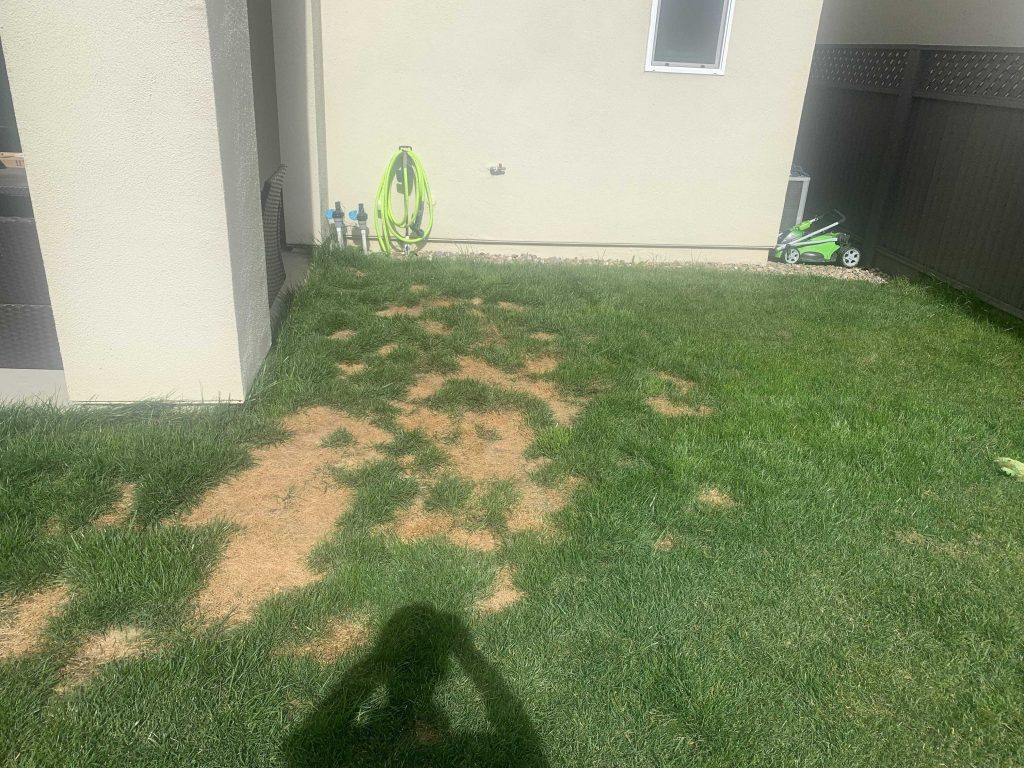
Quick answer: Consistent training, providing designated potty areas, and using positive reinforcement are key to minimizing pet damage on your lawn. Establishing boundaries early and rewarding good behavior can significantly reduce the destruction caused by your furry friends.
Training pets to reduce lawn damage is all about patience and clear communication. Pets, especially dogs, often dig, chew, or urinate indiscriminately, leading to patchy and damaged grass. The secret is to set boundaries using commands and physical barriers, so they know where they are allowed to go. Creating a specific outdoor potty zone can help redirect their bathroom habits from your yard to a designated area. Reinforcing good behavior with treats and praise encourages your pets to stick to their designated spots. Consistency is crucial—practice daily and be patient as your pets learn what’s expected. With a little effort, you can keep your lawn lush and your pets happy!

How to train pets to reduce lawn damage
Pets such as dogs and cats love spending time outdoors, but sometimes their antics can cause damage to your lawn. Proper training can help reduce this harm and keep your yard healthy and beautiful. This section will explore practical ways to train your pets to be gentle on your grass and plants.
Understanding pet behavior and lawn damage
Knowing why pets damage lawns helps in designing effective training strategies. Dogs may dig, chew on plants, or run over the grass, causing patches and bald spots. Cats often scratch or dig small holes, which can also harm your yard’s appearance.
Recognizing these behaviors allows you to address them directly. For example, if your dog loves digging, providing a designated digging area can redirect this behavior. Addressing these habits early prevents long-term damage and creates harmony between your pet and your garden.
Establishing boundaries and designated areas
Designating specific zones for pets to play and relax is crucial. Use fencing, natural barriers like bushes, or pathways to mark these areas clearly. This helps pets understand where they are allowed and limits their access to sensitive lawn areas.
Creating a ‘pet zone’ with grass or gravel offers a confined space that prevents damage to the rest of the yard. Encourage pets to stay within this space through consistent cues and positive reinforcement.
Using positive reinforcement to teach good habits
Reward pets when they behave appropriately outdoors. Offer treats, praise, or petting when the animal stays off the lawn or uses the designated area. Consistency is key to reinforcing these positive behaviors.
For example, give your dog a treat when they walk beside you without pulling on the leash or when they stay within their zone. This approach helps pets associate good behavior with rewards, encouraging them to repeat it.
Training Techniques to Discourage Lawn Damage
1. Redirection of digging and scratching
If your pet digs or scratches in the wrong spot, redirect their attention to an appropriate activity. Provide toys, a sandbox, or scratching posts outside to satisfy their natural instincts.
Guide your pet towards these alternatives and praise them when they use them. Over time, they’ll learn that these areas are acceptable for digging or scratching.
2. Using commands to control behavior
Teach commands such as ‘leave it’, ‘no’, or ‘stay’ to manage their outdoor behavior effectively. Practice these commands regularly during walks and outdoor play.
When pets attempt to dig or chew on plants, calmly say the command and redirect their attention elsewhere. Consistent training with clear commands can significantly reduce lawn damage.
Benefits of Proper Training for Your Lawn and Pets
Training pets to behave appropriately outdoors preserves the health and appearance of your lawn. It also creates a safer environment for your pets, reducing the risk of injury or ingesting harmful plants.
Besides protecting your yard, good training minimizes the need for costly repairs and chemical treatments. It encourages a peaceful outdoor space where both pets and family can enjoy time together.
Additional Tips for Maintaining a Pet-Friendly Lawn
Regular exercise and mental stimulation
Pets that receive enough physical activity and mental engagement are less likely to engage in destructive behaviors. Walk your dog daily and provide toys to keep them busy.
This reduces boredom, which often leads to digging or scratching out of frustration.
Providing a healthy diet and hydration
Proper nutrition supports your pet’s overall health and can influence behavior. Ensure they have a balanced diet and access to fresh water at all times.
Healthy pets are less prone to stress-related behaviors that harm your lawn.
Implementing Lawn Protection Measures
Temporary barriers and deterrents
Use fences, netting, or plants to block off sensitive areas during training periods. Motion-activated sprinklers or noise deterrents can also discourage pets from entering restricted zones.
These tools work well alongside training efforts to protect your lawn while pets learn acceptable behaviors.
Landscaping with pet-safe plants and materials
Choose plants that are non-toxic and resistant to pet damage. Avoid shrubs or flowers that attract pets or can be harmful if ingested.
Using durable mulches or pet-proof barriers helps maintain your yard’s beauty without risking your pet’s health or causing damage.
Monitoring and Consistency in Training
Consistent supervision during outdoor playtime ensures your pet follows the training guidelines. Use commands, cues, and rewards consistently to reinforce learning.
Regularly assess your pet’s behavior and adjust training methods as needed to achieve the best results. Patience and persistence are key to reducing lawn damage over time.
Summary of Key Strategies
| Strategy | Purpose |
|---|---|
| Designating pet zones | Limit access to sensitive areas |
| Positive reinforcement | Encourage good outdoor behavior |
| Providing alternatives | Satisfy natural instincts safely |
| Using commands | Control undesirable actions |
| Barrier installation | Protect specific areas from pets |
| Regular exercise | Reduce boredom-related damage |
By implementing these strategies, you can develop a peaceful coexistence with your pets and maintain a lush, healthy lawn. Training takes time, but patience and consistency will lead to long-lasting results.
Frequently Asked Questions
What methods can I use to encourage my pets to stay off the lawn?
Use positive reinforcement to guide your pets’ behavior. When they stay away from the lawn or avoid digging, reward them with treats or praise. You can also set up designated play areas away from the lawn to redirect their activity. Consistently enforcing boundaries and rewarding good behavior helps your pets understand which areas they should avoid.
How can I create a physical barrier to protect my lawn from pet damage?
Install fencing or garden borders around your lawn to keep pets from roaming into sensitive areas. Consider using low fences, wire mesh, or natural barriers like shrubs. Ensure barriers are secure and visible so your pets recognize them easily. Physical boundaries help prevent unwanted digging or trampling, allowing your lawn to recover and thrive.
What training techniques are effective for discouraging pets from digging in the yard?
Redirect your pets’ digging instincts to more suitable spots, such as a sandbox or designated digging area. When you catch them digging in the lawn, interrupt immediately and guide them towards their designated area, rewarding them when they dig there. Consistent commands like “leave it” or “no dig” coupled with rewards strengthen their understanding and reduce lawn destruction.
How often should I provide my pets with outdoor exercise to prevent lawn damage?
Schedule regular outdoor activities to help burn off your pets’ energy and reduce their urge to dig or trample the grass. Frequent walks, playtime, or agility exercises keep your pets engaged and less likely to seek entertainment by damaging the lawn. A well-exercised pet generally displays less destructive behavior.
Are there specific types of plants or ground cover that resist pet damage?
Consider planting hardy ground covers like clover, creeping thyme, or barrier plants that withstand foot traffic and digging. These plants typically recover quickly and are less appealing to pets as dig spots. Using such plants can help protect your lawn’s appearance while providing a pet-friendly landscape.
Final Thoughts
To train pets to reduce lawn damage, establish clear boundaries and consistent commands. Reward good behavior to reinforce positive actions. Using a designated area for outdoor play helps protect your lawn. Regular training sessions and patience make a noticeable difference. Ultimately, consistent effort ensures your pets learn appropriate outdoor habits effectively.