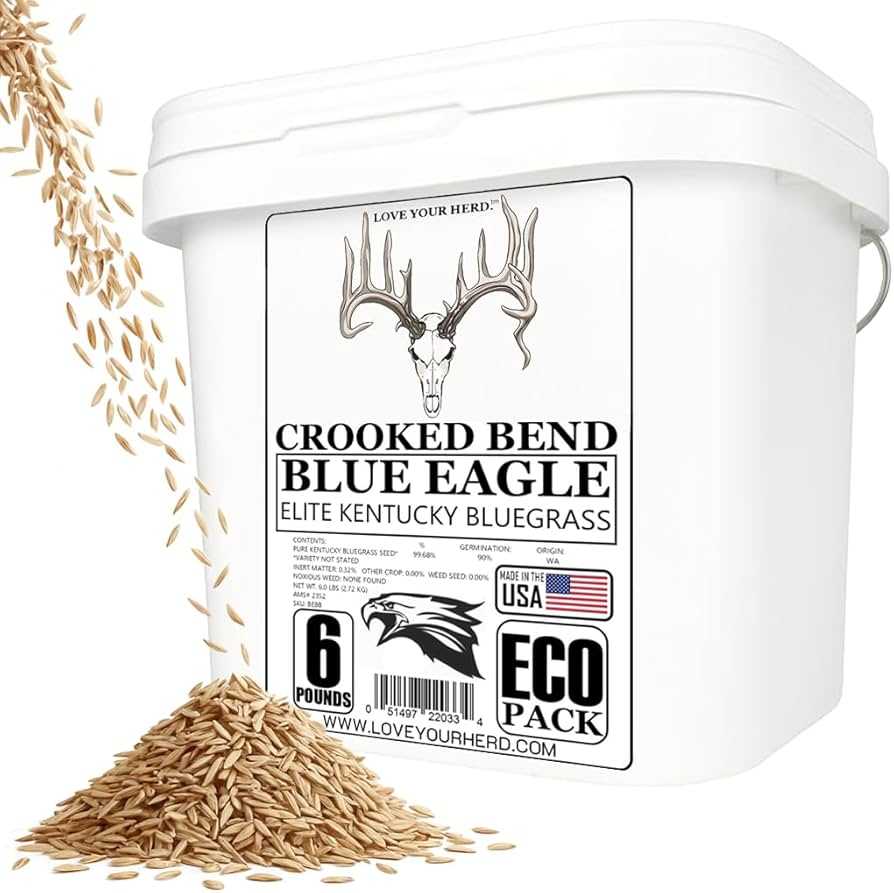
To thicken your Kentucky bluegrass quickly, focus on proper watering, fertilization, aeration, and overseeding. Use quality seed and ensure the soil has good drainage to promote strong, dense growth. Regular maintenance and targeted care will help achieve a lush, thick lawn that invites admiration.
A thick Kentucky bluegrass lawn starts with good soil health and consistent maintenance. Overseeding in early fall, fertilizing appropriately, and aerating the soil are key steps to promote dense, healthy growth. Addressing bare spots and ensuring proper watering can turn a patchy lawn into a vibrant carpet of greenery.
Looking to transform your patchy Kentucky bluegrass into a lush, dense turf? The secret lies in understanding what your lawn needs and giving it consistent, targeted care. Kentucky bluegrass, known for its fine texture and rich color, can become thin and sparse if not properly maintained. By implementing a combination of overseeding, fertilization, aeration, and proper watering, you can encourage thicker, more resilient growth. Starting with soil testing to correct any nutrient deficiencies and regularly removing thatch buildup will also improve your lawn’s overall health. With patience and the right techniques, you’ll soon enjoy a vibrant, thick carpet of Kentucky bluegrass that’s perfect for relaxing or entertaining.

How to Thicken Kentucky Bluegrass: A Complete Guide to a Fuller Lawn
Understanding Kentucky Bluegrass and Its Growth Habits
Kentucky Bluegrass is a popular cool-season grass known for its rich color and fine texture. It spreads through underground stems called rhizomes, which help it fill in gaps naturally. However, sometimes the grass becomes thin or patchy, making it necessary to take steps for thickening.
The health of Kentucky Bluegrass depends on proper soil conditions, watering, and care. It thrives in well-drained soil with a slightly acidic to neutral pH level between 6.0 and 7.0. Understanding how this grass grows helps you develop effective strategies to make it denser and more resilient.
Assessing Your Lawn’s Current Condition
Before working on thickening your Kentucky Bluegrass, evaluate its current state. Look for areas that are patchy, thin, or have uneven coloration. Also, note the presence of weeds or other grass types that might be competing.
Identify the causes of thinning: Is the soil too compacted? Are there drainage issues? Does the lawn receive enough sunlight? This assessment provides clues for targeted improvement efforts.
Proper Soil Preparation for Thickening
Healthy soil is fundamental for a lush lawn. Start by testing your soil’s pH and nutrient levels using a soil test kit. Amend the soil as needed to create optimal conditions for Kentucky Bluegrass.
If you find compacted soil, aerate your lawn to improve air exchange and water penetration. Aeration involves removing small plugs of soil and helps roots grow deeper, promoting thicker growth.
Amending Soil with Nutrients
Kentucky Bluegrass benefits from nutrients like nitrogen, phosphorus, and potassium. Apply a balanced fertilizer based on soil test results. Nitrogen is especially important for dense, green foliage.
Use slow-release fertilizers to provide steady nourishment. This reduces the risk of nutrient runoff and supports sustained growth.
Watering Practices for Dense Kentucky Bluegrass
Consistent and appropriate watering is vital for thickening. Kentucky Bluegrass prefers about 1 to 1.5 inches of water weekly, delivered evenly.
Water deeply and infrequently to encourage deep root growth. Shallow, frequent watering can lead to weak roots and patchy growth.
Creating a Watering Schedule
Establish a schedule based on weather conditions and soil moisture. Water early in the morning to prevent evaporation and fungal diseases. Adjust frequency during rainy or hot periods.
Use a rain gauge or moisture meter to avoid over or under-watering. Proper hydration supports even, vigorous growth.
Overseed to Increase Density
Overseeding involves spreading new grass seed over an existing lawn to fill in bare spots and increase density. Choose a high-quality Kentucky Bluegrass seed for best results.
Timing is key: late summer to early fall provides optimal conditions for germination. Prepare the soil first by mowing the existing grass short and raking away debris.
How to Oversow Effectively
Use a seed spreader for even distribution. Lightly rake the seeds into the soil surface to improve contact. Water daily to keep the soil consistently moist until the seeds germinate.
Maintain proper mowing height after germination to avoid stressing young seedlings. Regular overseeding helps prevent patches and encourages a thick, lush lawn.
Proper Mowing for Thickening
Mowing height influences grass density. Set your mower to cut Kentucky Bluegrass at about 2.0 to 2.5 inches. Taller grass shades soil, reducing weed growth and encouraging root development.
Never cut more than one-third of the grass height at a time. Regular mowing stimulates new growth and keeps the lawn dense.
Tips for Healthy Mowing Practices
Sharpen mower blades to prevent tearing grass blades. Leave grass clippings on the lawn to recycle nutrients. Avoid mowing when the grass is wet or stressed.
Consistent mowing creates a uniform, dense appearance and discourages weeds from taking hold.
Controlling Weeds and Pests
Weeds and pests compete for nutrients, water, and space, which can thin out your Kentucky Bluegrass. Use pre-emergent herbicides in early spring to stop weed seeds from germinating.
Spot-treat existing weeds with selective herbicides that target specific weed types without harming grass. For pests like grubs, apply appropriate treatments to protect root systems.
Eco-Friendly Weed and Pest Control
Use natural options like beneficial nematodes or hand-pulling weeds to minimize chemical use. Maintaining a healthy, dense lawn also reduces weed invasions, as thick grass leaves less room for unwanted plants.
Regular lawn inspections help catch problems early, making it easier to keep your grass thick and healthy.
Fertilization Schedule for Ongoing Thickening
Consistent fertilization supports continuous growth and density. Use a lawn fertilizer formulated for Kentucky Bluegrass, preferably one with a higher nitrogen content.
Apply fertilizer in the spring and fall, when grass is actively growing. Follow the manufacturer’s instructions to avoid over-fertilizing, which can damage your lawn.
Slow-Release vs Fast-Release Fertilizer
Slow-release fertilizers provide nutrients gradually over time, promoting steady growth. Fast-release options give quick results but may require more frequent applications.
Choosing the right fertilizer depends on your lawn’s needs and your maintenance schedule.
Additional Tips for a Thicker Kentucky Bluegrass Lawn
Maintain good lawn hygiene by removing debris, aerating annually, and watering deeply. Adjust your lawn care practices seasonally to account for weather changes.
Consider planting companion plants that can protect your grass, such as tall grasses or groundcovers, which help prevent soil erosion.
Using Lawn Supplements and Soil Conditioners
Organic soil conditioners like compost or peat moss improve soil structure and promote healthy root growth. These amendments help your grass absorb nutrients more effectively.
Lawn supplements like mycorrhizal fungi can also boost root health, leading to denser, more vigorous grass.
Summary of Key Strategies to Thicken Kentucky Bluegrass
- Assess and improve soil conditions
- Water consistently and deeply
- Regularly mow at the correct height
- Overseed with high-quality seed in optimal seasons
- Apply fertilizers judiciously
- Control weeds and pests effectively
- Maintain a clean, healthy lawn through proper care routines
Implementing these strategies ensures your Kentucky Bluegrass becomes thicker, more resilient, and looks lush all season long. Patience and consistent effort are essential to achieving the dense, beautiful lawn you desire.
Quick Tip: Don't Overseed Your Kentucky Bluegrass
Frequently Asked Questions
What specific fertilizers can help improve the density of Kentucky bluegrass?
Applying a balanced fertilizer with higher nitrogen content encourages vigorous growth and denser turf. Use a fertilizer formulated for lawns, typically with a ratio like 3-1-2 (nitrogen-phosphorus-potassium), and follow the recommended application rates. Fertilize during the active growing season, usually in early spring and fall, to promote healthy, thick grass.
How often should I mow my Kentucky bluegrass to promote thicker growth?
Mow your Kentucky bluegrass regularly, maintaining a cutting height of about 2.0 to 2.5 inches. Avoid cutting more than one-third of the grass height at a time, as this stresses the lawn and hampers growth. Regular mowing encourages horizontal spread and helps fill in thin areas, resulting in a denser appearance.
What aeration techniques can help improve thickening of Kentucky bluegrass?
Regular aeration creates tiny holes in the soil, reducing compaction and enhancing air, water, and nutrient penetration. Use a core aerator at least once a year, especially in heavy foot traffic areas. Aeration promotes new root growth and helps the grass fill in thin patches, leading to a thicker, healthier lawn.
Are overseeding methods effective for thickening Kentucky bluegrass?
Yes, overseeding enhances the density of your Kentucky bluegrass by introducing new, healthy grass plants into existing thin areas. Choose high-quality bluegrass seed, prepare the soil by raking or aerating, and overseed during early fall or spring for the best results. Keep the soil moist to help new seeds establish quickly.
What watering practices support a denser Kentucky bluegrass lawn?
Water deeply and infrequently to encourage deep root growth. Aim for about 1 to 1.5 inches of water per week, including rainfall, and water early in the morning to reduce evaporation. Proper watering ensures healthier roots and dense growth, filling in thin patches over time.
Final Thoughts
To thicken Kentucky bluegrass, focus on proper mowing by keeping the grass slightly taller, which promotes density. Regular fertilization with a balanced mix encourages healthy growth. Overseeding in early spring fills in thin areas and enhances overall thickness. Consistent watering keeps the soil moist without overwatering.
By following these steps, you can effectively thicken Kentucky bluegrass and create a lush, resilient turf. Proper maintenance and timely interventions are key to achieving the best results.