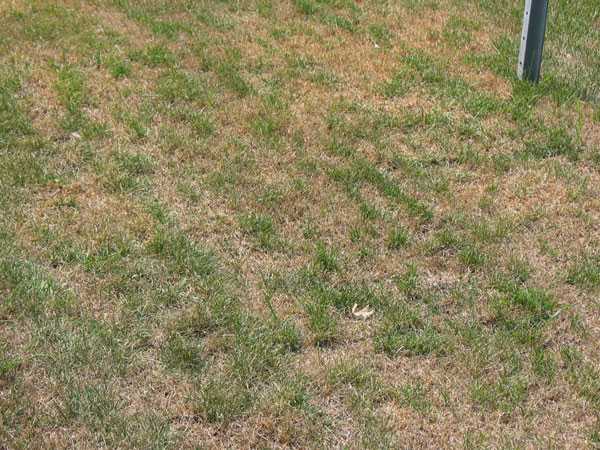
Yes, grass can go dormant in summer, especially during periods of extreme heat or drought. Dormancy is a natural survival mechanism that helps grass conserve water and energy when conditions become harsh.
In short, grass can enter dormancy during hot summer months, turning brown and appearing dead, but it usually bounces back once favorable conditions return. Understanding this behavior can help you manage your lawn better and avoid unnecessary worry when you see brown patches during the summer.
If you’re wondering whether your lush green lawn can survive the scorching heat of summer, you’re not alone. Many homeowners notice their grass turning brown and worry about its health. The truth is, grass has a remarkable ability to go dormant during periods of intense heat and drought, much like some plants do in winter. This natural process allows the grass to conserve vital water and nutrients, helping it survive until cooler, wetter conditions arrive. While it may look dead, dormancy isn’t permanent, and with proper care, your lawn can recover and regain its vibrant green color. Knowing what to expect and how to care for dormant grass can make summer lawn maintenance much easier and less stressful.

Can Grass Go Dormant in Summer?
Understanding Grass Dormancy and Its Causes
Grass dormancy is a natural process where your lawn temporarily stops growing or slows down significantly. While most people associate dormancy with winter, certain types of grass can also go dormant during hot summer months. This usually happens when the grass experiences extreme heat and drought conditions. It’s a survival tactic that helps grass conserve water and energy during stressful periods.
During summer dormancy, the grass blades may turn brown or beige, but the roots remain alive underground. This period of dormancy allows the grass to survive until cooler, wetter conditions return. The main triggers for summer dormancy include high temperatures, lack of water, and intense sunlight. Some grass varieties are more prone to this than others, especially cool-season grasses.
Which Grass Types Are Prone to Summer Dormancy?
Not all grass types respond the same way to summer heat. To understand if your lawn might go dormant, it’s essential to identify your grass type.
- Cool-Season Grasses: These grasses thrive in cooler temperatures and tend to go dormant during hot summers. Examples include Kentucky bluegrass, fescue, and perennial ryegrass. When temperatures rise above 80°F (27°C), they often turn brown and slow growth.
- Warm-Season Grasses: These grasses are adapted to hot climates and usually stay green during summer. Examples include Bermuda grass, zoysia, buffalo grass, and St. Augustine grass. They are less likely to go dormant but may enter a state of slow growth if conditions become extremely dry.
Understanding which category your grass belongs to helps you predict its behavior in summer and plan your lawn care accordingly.
Signs Your Grass Is Going Dormant
Recognizing the signs of dormancy can help you determine if your lawn is simply resting or facing other issues. Common symptoms include:
- The grass turns brown or tan.
- Growth appears to slow or stop altogether.
- The grass feels dry and brittle to the touch.
- There is no evidence of new shoots or green color despite watering.
It’s important to differentiate between dormancy and drought stress caused by inadequate watering. During dormancy, the grass may recover quickly when conditions improve.
Why Does Some Grass Go Dormant in Summer?
The primary reason for summer dormancy is the grass’s natural response to extreme weather. When temperatures soar and rainfall drops, the grass conserves resources by reducing its activity.
Moreover, some varieties have evolved specifically to survive in hot, arid environments. These grasses enter dormancy in summer as an adaptive strategy to handle environmental stress.
Environmental Factors Leading to Dormancy
Certain conditions intensify the likelihood of summer dormancy:
- Temperature: When temperatures consistently stay above 85°F (29°C), cool-season grasses tend to go dormant.
- Water Availability: Lack of sufficient irrigation triggers dormancy, as the grass cannot get enough moisture to sustain growth.
- Soil Conditions: Compact soil or poor drainage can lead to stress, encouraging dormancy or other issues like lawn disease.
- Sunlight Exposure: Excessive sun exposure increases stress, especially if the lawn is in a shaded area with less air circulation.
Monitoring these factors will help you understand if your grass is just resting or experiencing detrimental stress.
How to Prevent Unwanted Dormancy
While dormancy is a natural process, you can take steps to minimize unnecessary stress on your lawn. Proper lawn maintenance is key to keeping grass healthy during summer.
Watering Tips
Proper watering is critical to prevent your grass from going dormant prematurely.
- Water deeply and infrequently, ensuring the moisture reaches the root zone.
- Early morning watering reduces evaporation and provides enough moisture for the day.
- Avoid frequent shallow watering, which encourages shallow roots and less drought-resistant grass.
For most lawns, aim for about 1 to 1.5 inches of water per week, including rainfall.
Fertilization and Soil Care
Healthy soil promotes resilient grass.
- Use a balanced fertilizer suitable for your grass type and season.
- Avoid over-fertilizing, which can stress the lawn during hot weather.
- Maintain proper pH levels and aerate compacted soil to improve water absorption.
Good soil health supports drought tolerance and overall lawn vigor.
Shade and Sunlight Management
Managing sunlight exposure can reduce stress:
- Use shade cloths or plant shade-providing trees strategically.
- Trim overhanging branches to increase air circulation and reduce heat buildup.
- Consider lawn placement in shadier spots if consistent extreme heat occurs.
Adjusting sun exposure helps maintain cooler soil temperatures and reduces drought stress.
When Does Dormancy Turn into Lawn Damage?
Summer dormancy is usually temporary. However, if brown patches persist longer than a few weeks or the grass doesn’t recover after cooler weather, it could be damage.
Signs of damage include:
- Persistent dead patches that don’t green up with watering.
- Signs of disease or pests in addition to browning.
- Soil that remains dry and compacted even after watering.
In such cases, you may need to reseed or sod damaged areas.
Managing Dormant Lawns for Optimal Results
Proper management during summer dormancy involves patience and careful planning.
- Resist the urge to overwater or fertilize aggressively.
- Keep the lawn free of debris and weeds to prevent further stress.
- Gradually resume mowing and watering as temperatures cool down.
Once cooler weather arrives, dormant grass should begin to green up and recover naturally.
Related Topics for Lawn Care Enthusiasts
To further improve lawn health during or after dormancy, consider exploring:
- Grass Seeding in Summer: Tips for establishing new grass during hot months.
- Adjusting Lawn Mowing Heights: How mowing height affects drought tolerance.
- Choosing the Best Grass for Summer: Selecting heat-tolerant varieties for your region.
- Dealing with Lawn Pests and Diseases: Recognizing and managing common summer problems.
Learning about these topics can help you create a resilient, healthy lawn year-round.
Summary
Many grass types, especially cool-season varieties, can go dormant in summer as a survival strategy when faced with extreme heat and drought. This natural pause in growth causes grass to turn brown but doesn’t mean it’s dead. Proper watering, soil care, and shade management help minimize unnecessary dormancy and support quick recovery when conditions improve. By understanding your grass’s needs and environmental triggers, you can maintain a healthy lawn even during the hottest months.
Help!!! My Lawn is Dying this Summer! 3 SIMPLE tips to REVIVE IT
Frequently Asked Questions
What environmental factors contribute to grass going dormant during summer?
High temperatures, prolonged periods of drought, and intense sunlight can cause grass to enter dormancy in summer. These conditions stress the grass, prompting it to reduce growth and conserve resources to survive the adverse environment.
How does drought influence the dormancy process in grass during summer?
Drought limits the availability of water necessary for grass growth, leading it to conserve moisture by slowing down or halting active growth. This response helps the grass survive until water becomes accessible again, often resulting in a dormant appearance.
Can specific grass types withstand summer dormancy better than others?
Yes, certain grass varieties such as Bermuda grass and zoysia are more resilient to summer stress and are less prone to dormancy. In contrast, cool-season grasses like bluegrass or fescue are more likely to go dormant or show signs of stress during hot summer months.
What practices can reduce the likelihood of grass going dormant in summer?
Proper watering, ensuring deep and infrequent irrigation, helps keep grass healthy. Applying appropriate fertilization and mowing at recommended heights also promote vigorous growth, reducing the chance of dormancy during hot weather.
Does grass recover quickly once summer conditions improve?
In many cases, grass can recover relatively fast once temperatures drop and adequate moisture returns. Ensuring proper lawn care and avoiding prolonged stress helps grass bounce back, regaining its green color and active growth stage.
Final Thoughts
Grass can go dormant in summer, especially during extended heatwaves or drought conditions. This dormancy helps grasses conserve water and energy, ensuring survival during stressful periods. Proper watering and maintenance can reduce the chances of dormancy, keeping your lawn healthy.
Understanding how grass responds to summer conditions allows you to better care for your yard. Recognizing signs of dormancy helps prevent unnecessary watering or fertilizing.
In summary, grass can indeed go dormant in summer, but with attentive care, you can promote a thriving lawn despite harsh weather.