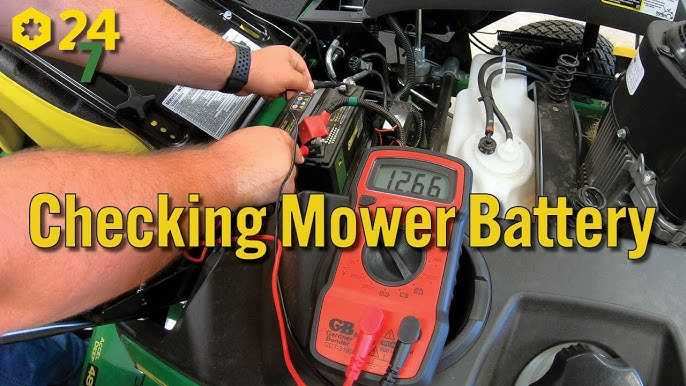
To test your lawn mower battery without a multimeter, you can use simple methods like turning the key or testing the headlights to see if the battery has enough charge. If you notice sluggish starts or weak headlight illumination, it’s a sign your battery might need attention. You can also perform a basic voltage test using a known working device or check for physical signs of damage.
In short, you don’t need fancy tools to get a good idea of your battery’s health. Try turning on the mower or checking the voltage with household items, and if you suspect trouble, consider replacing the battery or taking it to a professional for a detailed test.
If your lawn mower isn’t starting properly or the electrical components seem dim, it’s likely the battery is weak. Testing your mower’s battery without a multimeter is simple and can help you determine if it needs charging or replacing. This guide offers easy steps to assess your battery’s condition using everyday tools and observations, saving you time and money. No technical skills needed—just a bit of curiosity and a few common household items.

How to Test a Lawn Mower Battery Without a Multimeter
Testing your lawn mower battery is important to ensure it can start your mower reliably. Using a multimeter is common, but sometimes you don’t have one handy. Luckily, there are simple ways to check your battery’s condition without a multimeter. These methods rely on visual cues and basic tools you might already have around the house or garage.
Understanding Your Lawn Mower Battery
Most lawn mowers use a 12-volt lead-acid battery. These batteries store electrical energy to power the starter motor and the electrical system. Over time, they can lose charge or develop faults, making it harder for the mower to start. Knowing what a healthy battery looks like helps you identify issues quickly.
Signs of a Good Battery
- Clean and dry terminals: No corrosion or debris.
- Physical integrity: No cracks, swelling, or leaks.
- Proper Voltage (if tested with a multimeter): Around 12.6 volts when fully charged.
Signs of a Bad Battery
- Corrosion or leakage: Indicates damage or age.
- Low voltage or no reading: Battery is discharged or faulty.
- Difficulty starting the mower: The engine turns over slowly or not at all.
Prepping for a Battery Test Without a Multimeter
Before testing, make sure your battery is disconnected from the mower. This prevents any electrical shorts or inaccurate readings. Also, wear protective gloves and glasses if the battery shows signs of leakage or corrosion.
Tools You May Need
- Multimeter: Not needed for this method, but helpful if available.
- Battery tester or hydrometer: Optional but useful.
- Small screwdriver or wire: For connecting or checking terminals.
- Ohmmeter or voltmeter app: If you have a smartphone with an accessory or app.
Visual Inspection of the Battery
This is the simplest and most immediate way to assess a battery’s health. Carefully examine the battery for physical damage, corrosion, or leaks. Clean any corrosion from terminals with a wire brush or a mixture of baking soda and water.
Check the Terminal Condition
Corroded or loose terminals can cause starting problems. Tighten or replace loose connections, and remove corrosion for better contact. Clean terminals thoroughly for an accurate assessment.
Look for Physical Damage
Swelling, cracks, or leaks suggest the battery has internal damage. If any of these signs are visible, replacing the battery is the safest choice.
Performing a Voltage Test Without a Multimeter
Using a Battery Tester Device
If you have a simple battery tester or hydrometer, you can easily check the battery’s charge. These devices are affordable and easy to operate. They provide instant feedback on whether the battery holds sufficient power.
Using a Hydrometer
A hydrometer measures the specific gravity of the electrolyte in lead-acid batteries. A healthy, fully charged battery should show a specific gravity around 1.265. Lower readings indicate discharged or faulty cells.
How to Use a Hydrometer
- Remove the battery caps or access vents.
- Suck some electrolyte into the hydrometer’s tube.
- Read the specific gravity on the scale.
- Repeat on each cell to ensure uniform readings.
Interpreting Hydrometer Results
| Specific Gravity | Status |
|---|---|
| 1.265 or higher | Fully charged |
| 1.200 to 1.265 | Partially discharged, recharge needed |
| Lower than 1.200 | Battery likely faulty or needs replacement |
Testing the Battery’s Starting Power
If you cannot use specialized tools, you can perform a simple test by observing the battery’s ability to start the mower. This method isn’t precise but gives a good indication of overall health.
How to Perform a Physical Start Test
- Ensure the battery terminals are clean and tight.
- Try to start the mower.
- Listen to the engine’s behavior:
- Strong crank: Usually means the battery is okay.
- Slow or labored crank: Battery may be weak or failing.
- No crank: Battery might be dead or connections are poor.
Using a Helper for a Load Test
If possible, have a friend help you by attempting to start the mower while you observe the battery. Significant dimming of lights or slow cranking indicates the battery isn’t supplying enough power.
Advanced Methods Without a Multimeter
Using a 12-Volt Light Bulb
Connecting a small 12-volt bulb to the battery terminals can demonstrate if the battery can supply power. If the bulb glows brightly, the battery has some charge. A dim or flickering bulb indicates low power.
Steps to Test with a Light Bulb
- Connect the bulb’s wires to the battery terminals – positive to positive, negative to negative.
- Observe the brightness of the bulb.
- Disconnect after a few seconds to prevent drain.
Limitations of This Method
This test only shows whether the battery can supply some power, not its overall health or capacity. It’s a quick check but doesn’t replace proper testing.
Other Tips for Maintaining Your Battery
- Keep terminals clean: Regularly remove corrosion.
- Charge battery periodically: Especially if mower is stored during off-season.
- Store properly: Keep in a cool, dry place to prevent damage.
When to Replace Your Lawn Mower Battery
If your battery shows signs of physical damage, low voltage, or poor starting performance after testing, it’s time to consider a replacement. A new battery ensures reliable starts and longer mower life.
Remember, even if the battery appears fine visually, it might still need replacement if it cannot hold a charge or deliver enough current. Regular testing helps catch issues early. Keep your mower running smoothly by checking the battery health at the start of each mowing season.
Quick & Easy Way To Test Lawn Tractor Batteries Without Spending A Fortune On Tools!
Frequently Asked Questions
How can I check a lawn mower battery’s voltage without a multimeter?
You can test the battery’s voltage by using a simple 12-volt test light. Connect the test light to the battery’s positive terminal and then to the negative terminal. If the light turns on brightly, the battery has a good charge. If it flickers or remains dim, the battery may be weak or depleted and needs recharging or replacement.
What is an alternative method to test a lawn mower battery’s condition without specialized tools?
Observe the battery’s physical condition for signs of damage, corrosion, or swelling. Additionally, try turning on the mower’s engine. If the engine struggles to start or fully cranks, the battery may not hold enough power. This practical check can give you a quick idea of the battery’s health without using specific measuring devices.
How can I assess a lawn mower battery’s charge level using a flashlight?
Connect the flashlight’s positive terminal to the battery’s positive post and the negative terminal to the negative post. Turn on the flashlight briefly; a bright glow indicates a good charge, while a dim or flickering light suggests low voltage. This method provides a rough estimate of the battery’s current state.
What simple test can help me determine if my lawn mower battery is dead?
Attempt to start the mower and listen for the engine’s response. If the engine barely cranks or doesn’t turn over at all, it may indicate the battery is dead or severely discharged. In such cases, recharging the battery or replacing it might be necessary to restore proper function.
Can I use a known good battery to test my lawn mower battery’s performance?
Yes, swapping your mower’s battery with a confirmed working one can help identify if your original battery is faulty. If the mower runs normally with the known good battery, then your original battery likely needs replacement. This method helps isolate the issue without measuring voltage directly.
Final Thoughts
To test a lawn mower battery without a multimeter, start the engine and listen for signs of weak power. Turn on the headlights; if they are dim or flicker, the battery may be failing. You can also try jump-starting the mower or using a known working battery for comparison.
Perform these simple checks to assess your battery’s health quickly and safely. Remember, how to test a lawn mower battery without a multimeter can be straightforward with basic observations and tests. This approach helps identify issues early and ensures your mower runs smoothly.