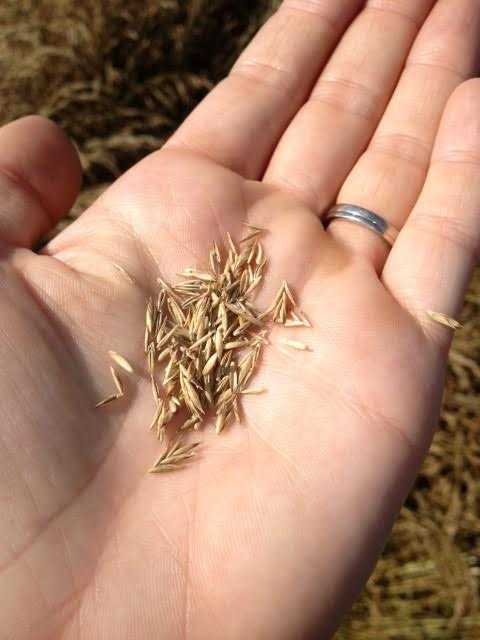
To determine if your grass seed is still good, check for a few key indicators: look at the expiration date on the package, perform a germination test, and inspect the seeds for any signs of damage or mold. If the seeds still appear whole and the germination test shows a good rate, they’re likely viable. Grass seed can be a bit tricky, so let’s walk through the steps to ensure you’re not sowing seeds that won’t grow. Knowing how to assess your grass seed’s condition will save you time, effort, and frustration when it comes to achieving that lush green lawn you desire. So, let’s dive in and help you easily evaluate your grass seed!

“`html
How to Tell if Grass Seed is Still Good
When planting grass seed, knowing whether it is still good is crucial for a successful lawn. Grass seed can lose its viability over time, which can lead to disappointing results. This guide will help you assess the quality of grass seed and ensure you have the best chance of a lush, green lawn.
Understanding Grass Seed Viability
Grass seed viability refers to the seed’s ability to germinate and grow. Over time, seeds can lose this ability due to various factors. Understanding what affects seed viability is essential for making informed decisions.
### Factors that Affect Seed Viability
1. **Age of the Seed**: Over time, seeds naturally lose their ability to germinate. Fresh seeds generally have a higher germination rate than older seeds.
2. **Storage Conditions**: Proper storage can prolong the viability of grass seeds. Seeds kept in a cool, dry place tend to last longer.
3. **Humidity and Moisture**: Excess moisture can lead to mold or decay, reducing seed viability. Conversely, very dry conditions can also harm seeds.
4. **Temperature**: High temperatures can damage seeds, causing them to lose their viability more quickly. Ideal storage temperatures are typically between 32 to 50 degrees Fahrenheit.
Checking the Expiration Date
Most seed packets come with an expiration date printed on the label. This date is a good starting point for determining seed quality. However, seeds can still be viable for some time after the expiration date, depending on how they were stored.
– *Look for the date*: Always check the seed packet for the expiration date.
– *Consider the storage*: If the seeds were stored properly, they might still be good.
Testing for Germination
One effective way to tell if grass seed is still good is to perform a germination test. This simple method will give you a clear idea of your seed’s viability.
### Step-by-Step Germination Test
1. **Gather Materials**:
– A small plate or shallow dish
– Paper towels
– Water
– Your grass seed
2. **Prepare the Test**:
– Dampen a paper towel and lay it flat on the plate.
– Evenly distribute 10-20 seeds on the paper towel.
3. **Cover the Seeds**:
– Place another damp paper towel on top of the seeds to keep them moist.
4. **Create a Warm Environment**:
– Place the plate in a warm, dark location.
5. **Wait for Results**:
– Check the seeds after 7-10 days. Count the number of seeds that have sprouted.
### Interpreting Results
– If **more than 70%** of the seeds germinate, they are still viable.
– If **30-70%** germinate, the seeds may work, but you should consider buying new ones.
– If **less than 30%** sprout, the seeds are likely no longer good.
Visual Inspection of Seeds
Another way to assess the quality of grass seed is to conduct a visual inspection. This method involves checking for signs of damage or decay.
### Signs to Look For
– **Color**: Fresh seeds are typically bright and vibrant. Dull or faded seeds might be old.
– **Size and Shape**: Healthy seeds are consistently shaped. Misshapen or broken seeds may indicate poor quality.
– **Mold or Fungi**: If you see any mold or unusual growth on the seeds, they are likely not good.
– **Insect Damage**: Check for signs of insect damage like holes or chew marks.
Storage Tips to Prolong Seed Viability
Proper storage can significantly extend the life of your grass seed. Here are some tips for ensuring seeds stay fresh for longer.
### Ideal Storage Conditions
– **Keep them cool**: Store seeds in a refrigerator if possible.
– **Maintain dryness**: Use airtight containers to prevent moisture.
– **Avoid light**: Store seeds in a dark place to protect them from light exposure.
Common Mistakes in Seed Storage
1. **Storing in Moist Areas**: Avoid basements or places with high humidity.
2. **Using Non-Airtight Containers**: Always use sealable bags or containers.
3. **Keeping in Direct Sunlight**: Store seeds away from windows or bright light.
Types of Grass Seed and Their Lifespan
Different types of grass seeds have varying lifespans. Knowing which type you have can help you assess its viability better.
### Common Grass Seed Types
– **Perennial Ryegrass**: Viable for about 1-2 years.
– **Bermudagrass**: Typically lasts 2-3 years.
– **Tall Fescue**: Can be viable for up to 3 years.
– **Kentucky Bluegrass**: Usually remains good for 2-3 years.
### Lifespan and Storage Tips
| Grass Type | Lifespan | Best Storage Conditions |
|——————–|————|———————————-|
| Perennial Ryegrass | 1-2 years | Cool, dry place |
| Bermudagrass | 2-3 years | Airtight container, cool |
| Tall Fescue | 3 years | Dry, dark, cool area |
| Kentucky Bluegrass | 2-3 years | Sealed package, cool environment |
When to Replace Old Grass Seed
Even if your grass seed seems good, knowing when to replace it is essential. Aging seeds can lead to poor lawn results, and there are signs to look out for.
### Signs It’s Time for New Seeds
– **Low Germination Rate**: If your germination test shows low rates consistently.
– **Unhealthy Appearance**: Seeds look moldy or decayed.
– **Inconsistent Growth**: If you notice uneven patches after planting.
Maintaining a healthy lawn involves knowing when to let go of the old seeds.
Assessing your grass seed’s viability is vital for a flourishing lawn. By checking the expiration date, conducting germination tests, and visually inspecting seeds, you can determine if they are still good for planting. Proper storage and understanding the lifespan of different grass seed types can further aid in maintaining quality. Always be aware of the signs indicating it’s time to replace old seeds to ensure your lawn looks its best.
“`
How to Know if Seeds Are Still Good
Frequently Asked Questions
“`html
What signs indicate that grass seed is no longer viable?
If grass seed has lost its viability, you may notice several signs. Look for seeds that appear discolored, such as brown or black instead of their usual green or tan color. Additionally, if the seeds feel hard and dry or show signs of mold, they are likely no longer good. Another indication is the presence of a strong, unpleasant odor, which suggests decay.
How can I test the germination rate of my grass seed?
You can perform a simple germination test to check the viability of grass seed. Take a small sample of seeds, around 10 to 20, and place them on a damp paper towel. Fold the towel over the seeds and keep it in a warm, dark place. Check the seeds after a week. If most of them have sprouted, the seed is still good; if not, consider replacing it.
What storage conditions help maintain grass seed quality?
To maintain grass seed quality, store it in a cool, dry place. Avoid exposing seeds to moisture and extreme temperatures, as these can degrade their viability. Airtight containers work well to prevent moisture and pests from getting in. Additionally, labeling the containers with the purchase date helps you track their age.
Can the age of grass seed affect its quality?
Yes, the age of grass seed does affect its quality. Most grass seeds have a shelf life of 1 to 3 years, depending on the variety and storage conditions. As seeds age, their germination rates typically decline. Always check the expiration date on the packaging and consider conducting a germination test if the seeds are older.
What should I do if I suspect my grass seed is bad?
If you suspect your grass seed is no longer good, first perform a germination test to confirm. If the seeds fail to sprout, it’s best to discard them. Buying fresh, high-quality seeds from a reputable source ensures better results for your lawn or garden. Always check for the appropriate seed variety for your specific climate and soil conditions.
“`
Final Thoughts
To tell if grass seed is still good, examine the seed’s packaging date. Fresh seed typically remains viable for up to three years, so check how long it’s been stored.
Next, perform a germination test by placing a small quantity of seeds in a damp paper towel for a week. If most seeds sprout, they are still good.
Finally, inspect the seeds for any signs of mold, discoloration, or damage. These factors can indicate that the grass seed is no longer viable. Always ensure you evaluate these aspects to determine how to tell if grass seed is still good.