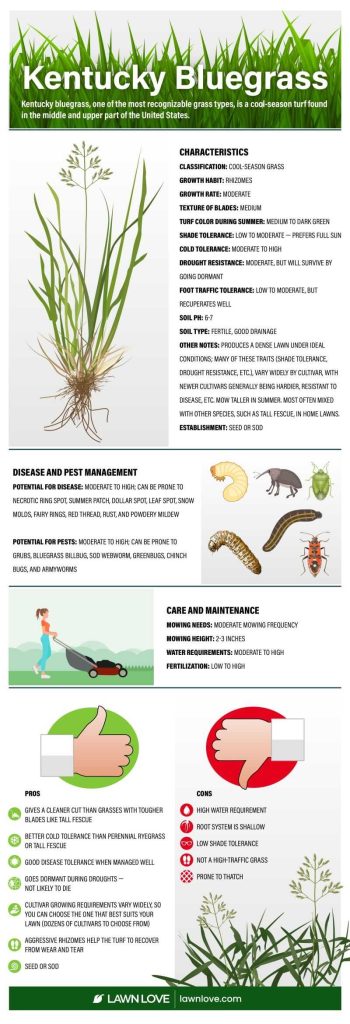
For lush, vibrant Kentucky bluegrass, ensure you water deeply but infrequently, mow at the right height, and fertilize appropriately. Keep an eye on weeds and pests, and aerate your lawn annually to promote healthy root growth. With consistent care, your Kentucky bluegrass will thrive and stay beautiful all season long.
Kentucky bluegrass is a popular choice for homeowners wanting a soft, dense lawn, but it requires specific attention to stay healthy. Regular watering, proper mowing, and timely fertilization are key to maintaining its lush appearance. Additionally, addressing pests and aerating the soil help promote strong root development, ensuring your lawn remains resilient and vibrant throughout the year.
Taking care of Kentucky bluegrass starts with understanding its needs for water, nutrients, and maintenance. This grass type is known for its fine texture and rich green color, but it can be delicate if not properly managed. If you want a lawn that turns heads, you need to stay consistent with watering—deep and less frequent—while mowing to just the right height. Fertilizing in the right season and removing weeds early also help keep your lawn in top shape. Remember, Kentucky bluegrass benefits from annual aeration to prevent soil compaction and promote healthy roots. With a bit of effort and attention, you’ll enjoy a stunning, durable lawn that’s the envy of your neighborhood.

How to Take Care of Kentucky Bluegrass
Understanding Kentucky Bluegrass
Kentucky Bluegrass is a popular cool-season grass known for its lush green color and fine texture. It thrives in areas with moderate rainfall and cooler temperatures. Knowing its basic needs helps you maintain a healthy, attractive lawn.
Optimal Planting Time for Kentucky Bluegrass
The best time to plant Kentucky Bluegrass is during early fall or early spring. Planting in these periods allows grass roots to establish before extreme weather conditions. Ensure soil temperatures are between 55°F and 65°F for successful germination.
Preparing the Soil for Planting
Proper soil preparation involves removing weeds and debris, then loosening the soil to a depth of at least 4 inches. Incorporate organic matter or compost to improve soil fertility. Level the surface to ensure even seed distribution and watering.
Seeding Kentucky Bluegrass
Spread the grass seed evenly using a broadcast spreader. For best results, sow approximately 1 to 2 pounds of seed per 1000 square feet. Lightly rake the soil to cover the seeds and water gently afterward to promote germination.
Watering Practices for Germination and Growth
Keep the soil consistently moist during seed germination, which takes about 14 to 30 days. Water lightly but frequently, aiming for at least 1 inch of water weekly. Once the grass is established, reduce frequency but increase watering depth.
Proper Mowing Techniques
Mow Kentucky Bluegrass at a height of 2.5 to 3.5 inches to encourage deep roots and prevent weeds. Use sharp blades for a clean cut and mow regularly to avoid cutting more than one-third of the grass height at once.
Mowing Frequency and Tips
During peak growing seasons, mow once a week. Avoid mowing when the grass is wet or stressed from drought. Adjust mower height seasonally to adapt to changing growth rates.
Fertilizing for Healthy Growth
Apply a balanced fertilizer formulated for cool-season grasses in early spring and late fall. Use about 1 to 1.5 pounds of nitrogen per 1000 square feet annually. Follow recommended application rates to prevent over-fertilization.
Types of Fertilizer and Application Schedule
Select slow-release fertilizers to provide steady nutrients. A typical schedule involves fertilizing every 6 to 8 weeks during the growing season. Always water after fertilizing to help nutrients penetrate the soil.
Watering Tips for Kentucky Bluegrass
Kentucky Bluegrass requires about 1 to 1.5 inches of water weekly, either from rainfall or irrigation. Deep, infrequent watering encourages deep root growth, making the lawn more drought-tolerant.
Signs of Overwatering and Underwatering
Overwatering can lead to fungal diseases and root rot. Look for soggy patches, foul odors, or yellowing grass. Underwatering causes the grass to turn brown and become patchy.
Dealing with Common Pests and Diseases
Keep an eye out for pests such as grubs and chinch bugs that can damage Kentucky Bluegrass. Use appropriate pest control measures when necessary. Prevent diseases like dollar spot or leaf spot by maintaining proper lawn hygiene.
Preventative Measures and Treatments
Maintain proper watering, mowing, and fertilizing routines to reduce disease risk. Apply fungicides at the first sign of disease for effective control. Aerate the lawn annually to improve air and water penetration.
Aeration and Overseeding
Aerate your lawn each year to alleviate soil compaction and improve nutrient absorption. Overseeding helps fill in bare patches and enhances lawn density. Do this in early fall or spring for best results.
Steps for Aeration and Overseeding
Use a core aerator to remove plugs of soil. After aeration, spread Kentucky Bluegrass seeds evenly, then lightly rake and water thoroughly. Keep the soil moist until new grass establishes.
Controlling Weeds in Kentucky Bluegrass
Weeds compete with grass for nutrients and water. Regular mowing and proper fertilization help prevent weed growth. Use selective herbicides carefully to target specific weeds without harming the grass.
Weed Prevention and Removal Techniques
Hand-pull weeds or apply pre-emergent herbicides in early spring. Maintain a healthy lawn by avoiding over-fertilization, which can promote weed growth. Improve lawn density with overseeding to reduce bare spots.
Seasonal Lawn Care Tips
Adjust your lawn maintenance routine according to the season. Prepare your Kentucky Bluegrass lawn in fall with aeration and overseeding. In summer, focus on watering and pest control. In winter, minimize traffic on dormant grass.
Winterizing Your Kentucky Bluegrass Lawn
Apply a winter fertilizer in late fall to strengthen roots. Rake fallen leaves regularly to prevent mower-mulching and fungal issues. Avoid heavy foot traffic during winter dormancy to prevent damage.
Additional Tips for Lawn Maintenance
Maintain proper pH levels in your soil, ideally between 6.0 and 7.0, for optimal nutrient uptake. Conduct soil tests regularly to monitor pH and nutrient levels. Adjust fertilization and soil amendments accordingly.
Healthy Lawn Habits
Avoid excessive foot traffic and pet waste on your lawn. Use mulch around trees and flower beds to prevent weed encroachment. Keep your lawn tools clean and sharp for best mowing results.
Related Topics to Consider
Explore topics like soil testing, organic lawn care, and drought-tolerant grass options. Regularly researching new lawn care techniques can result in a greener, healthier Kentucky Bluegrass lawn.
This comprehensive approach to caring for Kentucky Bluegrass ensures your lawn remains vibrant, healthy, and enjoyable all season long. Regular routine maintenance, proper watering, and timely treatments keep your grass in top shape. With patience and care, your Kentucky Bluegrass will thrive and provide a beautiful landscape for years to come.
Kentucky Bluegrass Care | DoMyOwn.com
Frequently Asked Questions
What is the best mowing height for Kentucky bluegrass to keep it healthy?
Maintain Kentucky bluegrass at a mowing height of about 2.5 to 3 inches. Cutting at this height encourages deep root growth, helps the grass resist drought, and prevents thatch buildup. Regularly mow to keep the grass even and avoid cutting more than one-third of the blade length at a time.
How often should I water Kentucky bluegrass to keep it thriving?
Water Kentucky bluegrass deeply once or twice a week, providing about 1 to 1.5 inches of water each session. Deep watering encourages strong root systems and helps the grass withstand dry periods. Adjust watering frequency based on weather conditions, ensuring the soil stays moist but not saturated.
What fertilization schedule promotes healthy growth of Kentucky bluegrass?
Apply a balanced fertilizer with an equal ratio of nitrogen, phosphorus, and potassium in early spring and again in late summer or early fall. Use slow-release fertilizers to provide nutrients gradually and avoid over-fertilizing, which can lead to thatch buildup and disease issues. Follow the manufacturer’s recommendations for application rates.
What are effective methods to prevent weeds in Kentucky bluegrass lawns?
Maintain a healthy Kentucky bluegrass lawn through regular mowing, watering, and fertilizing, as a dense turf naturally suppresses weeds. Apply a pre-emergent herbicide in early spring to prevent weed seeds from sprouting, and manually remove weeds that appear to keep the lawn tidy. Avoid overwatering, which can encourage weed growth.
How can I prepare my Kentucky bluegrass lawn for winter?
In late fall, gradually reduce watering and mowing height to help the grass harden off for winter. Applying a fall fertilizer high in potassium strengthens the grass against cold stress. Rake leaves and debris to prevent disease and ensure good air circulation. Consider overseeding thin areas in early fall to promote a dense, resilient turf for the next season.
Final Thoughts
To take care of Kentucky bluegrass, ensure it receives adequate water, especially during dry periods, to keep the turf healthy. Aerate the soil annually to improve drainage and root growth. Regular mowing at the right height promotes dense, lush grass. Use fertilizer appropriately to supply essential nutrients and maintain vibrant color. Proper care keeps your Kentucky bluegrass turf resilient and beautiful season after season.