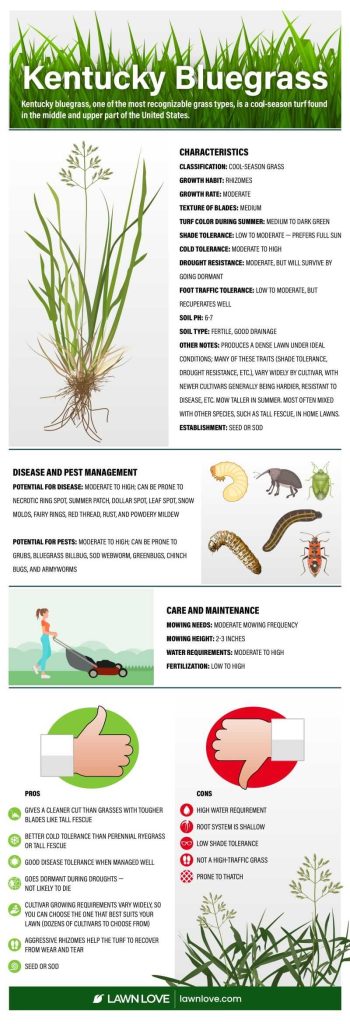
To keep Kentucky bluegrass sod lush and healthy, water deeply and regularly, mow at the right height, and fertilize appropriately. Ensure good soil drainage and aeration to promote root growth, and manage weeds with targeted treatments. With consistent care, your lawn will become a vibrant, dense carpet that’s perfect for relaxing or playing.
Kentucky bluegrass sod thrives when it receives proper watering, mowing, fertilization, and weed control. Regular maintenance helps establish strong roots, prevents pests, and keeps the grass looking its best. By following simple routines, you’ll enjoy a lush, green lawn that stands out in your yard.
Taking care of Kentucky bluegrass sod is straightforward once you understand its needs. It’s a cool-season grass that requires attention to watering, mowing, fertilizing, and soil health. Right from planting to ongoing maintenance, providing the right conditions will ensure your sod becomes resilient, thick, and beautiful. Starting with consistent watering and proper mowing height encourages dense growth, while timely fertilization boosts vitality. Additionally, managing weeds and aerating the soil helps the grass breathe and grow stronger. With a bit of effort and regular upkeep, your Kentucky bluegrass sod will transform your outdoor space into a inviting, picture-perfect lawn.

How to Take Care of Kentucky Bluegrass Sod
Understanding Kentucky Bluegrass Sod
Kentucky bluegrass is known for its lush, deep green color and soft texture. It is a popular choice for lawns because it creates a beautiful, dense carpet of grass. To keep it healthy, you need to understand its growth habits and specific needs.
Optimal Planting Conditions
Kentucky bluegrass thrives in well-drained soil with a pH level between 6.0 and 7.0. It grows best in full sunlight but can tolerate some shade. The ideal temperature range for planting is between 60°F and 75°F during the day.
Preparing Your Lawn for Sod Installation
Before laying Kentucky bluegrass sod, clear the area of debris, rocks, and weeds. Loosen the soil to a depth of at least 4 inches to promote healthy root growth. Level the soil surface to avoid uneven areas that can cause water pooling.
Proper Sod Installation Techniques
Lay the sod in a brick-like pattern, staggering the joints for stability. Avoid overlapping the edges to prevent uneven growth. Water the sod immediately after installation to help the roots establish quickly.
Watering Requirements for Kentucky Bluegrass Sod
Initially, keep the sod evenly moist with light, frequent watering for the first two weeks. After establishment, water deeply about once or twice a week, ensuring the top 6 inches of soil stay moist. Consistent watering encourages strong root development and prevents drought stress.
Signs of Proper Hydration
If the grass feels firm and springs back when touched, it is well-hydrated. Avoid overwatering, which can lead to root rot and fungal diseases.
Fertilizing Kentucky Bluegrass Sod
Apply a balanced fertilizer rich in nitrogen during the growing season. Start with a light application two weeks after planting and follow the recommended schedule, usually every 6 to 8 weeks. Use a fertilizer with a ratio like 16-4-8 for optimal growth.
mowing and Trimming Practices
Maintain the mowing height between 2.0 and 2.5 inches. Regular mowing encourages lateral growth and a dense stand. Never cut more than one-third of the grass height at a time to reduce stress on the sod.
Best Times to Mow
Mow when the grass reaches the desired height, typically once a week during peak growing seasons. During cooler months, frequency can decrease.
Weed Control Strategies
Healthy, dense Kentucky bluegrass sod naturally resists weeds, but early intervention is essential. Hand-pull weeds or use selective herbicides suitable for bluegrass. Avoid broad-spectrum herbicides that can damage your lawn.
Pest Management Tips
Watch for pests such as chinch bugs and grub worms. Use appropriate pesticides if infestations occur, and maintain healthy turf to reduce vulnerability. Proper watering and fertilizing also help strengthen the grass’s natural defenses.
Dealing with Common Diseases
Kentucky bluegrass can suffer from diseases like dollar spot or Rust. Good air circulation, proper watering, and avoiding over-fertilization help prevent these issues. Use fungicides only when necessary and follow the manufacturer’s instructions.
Managing Thatch and Soil Health
Sometimes a layer of thatch accumulates, preventing water and nutrients from reaching the roots. Aerate your lawn annually using a core aerator to reduce thatch. Topdress with compost or sand to improve soil quality.
Seasonal Lawn Care Tips
In spring, focus on aeration and fertilization. Summer care involves watering early in the morning and avoiding heavy foot traffic during heatwaves. Fall is a good time for overseeding and preparing the lawn for winter dormancy.
Overseeding and Repair
If patches develop, overseed with Kentucky bluegrass seed to fill gaps. Reseed in early fall or spring, and keep the soil moist until new grass establishes. Proper overseeding encourages a thick, uniform lawn.
Long-Term Lawn Maintenance
Maintain a regular schedule of watering, mowing, and fertilizing. Conduct soil tests every year to adjust your practices. Keep the lawn free of debris and consider periodic aeration to promote healthy growth.
Summary of Key Care Practices
| Task | Frequency | Important Notes |
|---|---|---|
| Watering | Deeply twice a week after establishment | Avoid overwatering and water early in the day |
| Fertilizing | Every 6 to 8 weeks during the growing season | Use balanced, nitrogen-rich fertilizers |
| Mowing | Weekly | Maintain height at 2.0 to 2.5 inches |
| Aeration | Annually in spring or fall | Reduces soil compaction and thatch |
| Weed Control | As needed | Use selective herbicides or manual removal |
Additional Tips for Healthy Kentucky Bluegrass Sod
Regularly monitor your lawn for signs of stress, pest, or disease. Keep foot traffic to a minimum during dry or hot periods. Always use high-quality sod and follow proper installation procedures for the best results.
By following these detailed steps, you can ensure your Kentucky bluegrass sod remains thick, green, and healthy year-round. Consistent care and attention to its specific needs will lead to a lush, inviting lawn.
Kentucky Bluegrass Care | DoMyOwn.com
Frequently Asked Questions
How often should I water Kentucky bluegrass sod to keep it healthy?
Water Kentucky bluegrass sod deeply and regularly, especially during the first few weeks after installation. Aim to keep the soil consistently moist but not waterlogged, typically watering once or twice daily depending on weather conditions. Gradually reduce the frequency as the sod establishes, ensuring the soil remains moist to promote root development.
What type of fertilization schedule benefits Kentucky bluegrass sod the most?
Apply a balanced fertilizer with nitrogen, phosphorus, and potassium according to the manufacturer’s instructions. Fertilize every six to eight weeks during the growing season to support healthy growth. Avoid over-fertilizing, which can lead to thatch buildup and disease problems. Use slow-release fertilizers for sustained nourishment.
How can I mow Kentucky bluegrass sod to maintain its appearance?
Keep your mower blades sharp and mow when the grass reaches about 3 to 4 inches in height, cutting it down to around 2 to 3 inches. Regular mowing encourages dense growth and prevents weeds from taking over. Avoid cutting more than one-third of the grass height at a time to prevent stress and damage to the sod.
What steps should I take to prevent pests and diseases in Kentucky bluegrass sod?
Maintain proper watering and mowing practices to keep the turf healthy and resilient. Aerate the soil annually to reduce compaction and improve airflow. Remove debris and thatch buildup regularly. Use appropriate fungicides or insecticides if you notice signs of pests or disease, following recommended application rates to avoid harming the grass.
How can I improve soil quality for better Kentucky bluegrass growth?
Test your soil to determine pH and nutrient levels, then amend it accordingly. Incorporate organic matter like compost to enhance soil structure and fertility. Aerate the lawn annually to relieve compaction, and ensure proper drainage. Good soil health promotes strong root systems and overall turf vitality.
Final Thoughts
Taking care of Kentucky bluegrass sod involves regular watering, especially during dry periods, to keep the soil moist. Mowing should be done at the correct height to promote healthy growth and prevent disease. Fertilize appropriately to provide essential nutrients; typically, a balanced fertilizer every six to eight weeks works well.
Pay attention to pests and weeds, removing them promptly to maintain a lush, healthy lawn. Proper care ensures your Kentucky bluegrass sod remains vibrant and resilient throughout the seasons. In conclusion, understanding how to take care of Kentucky bluegrass sod helps your lawn stay beautiful and durable.