
Bermuda grass is a resilient and fast-spreading turf, but with the right techniques, you can keep it contained. This guide covers simple steps to prevent Bermuda grass from spreading into unwanted areas, helping you maintain a healthy, controlled lawn. Learn proven methods to stop Bermuda grass in its tracks today!
Key Takeaways
- Identify Bermuda grass: Recognize its features to differentiate it from other grasses and understand its growth habits.
- Use physical barriers: Install edging or barriers to prevent Bermuda grass from creeping into unwanted zones.
- Apply targeted herbicides: Use selective herbicides carefully to eliminate Bermuda grass without harming neighboring plants.
- Practice proper lawn maintenance: Regular mowing, aeration, and overseeding can keep your lawn healthy and less vulnerable.
- Control underground runners: Regularly dig out or treat rhizomes to prevent underground spread.
- Limit seed spread: Remove seed heads and avoid disposing of grass clippings with seeds to prevent new growth.
Introduction
If you have a lawn or garden, chances are you’ve encountered Bermuda grass at some point. It’s known for its durability and heat tolerance but can quickly become invasive. If Bermuda grass is spreading into areas where you don’t want it—such as flower beds, pathways, or your entire lawn—it’s time to take action. In this guide, you’ll learn simple, effective steps to stop Bermuda grass from spreading. Whether you’re dealing with underground runners or seed dispersal, we’ve got you covered.
Understanding Bermuda Grass and Its Growth Habits
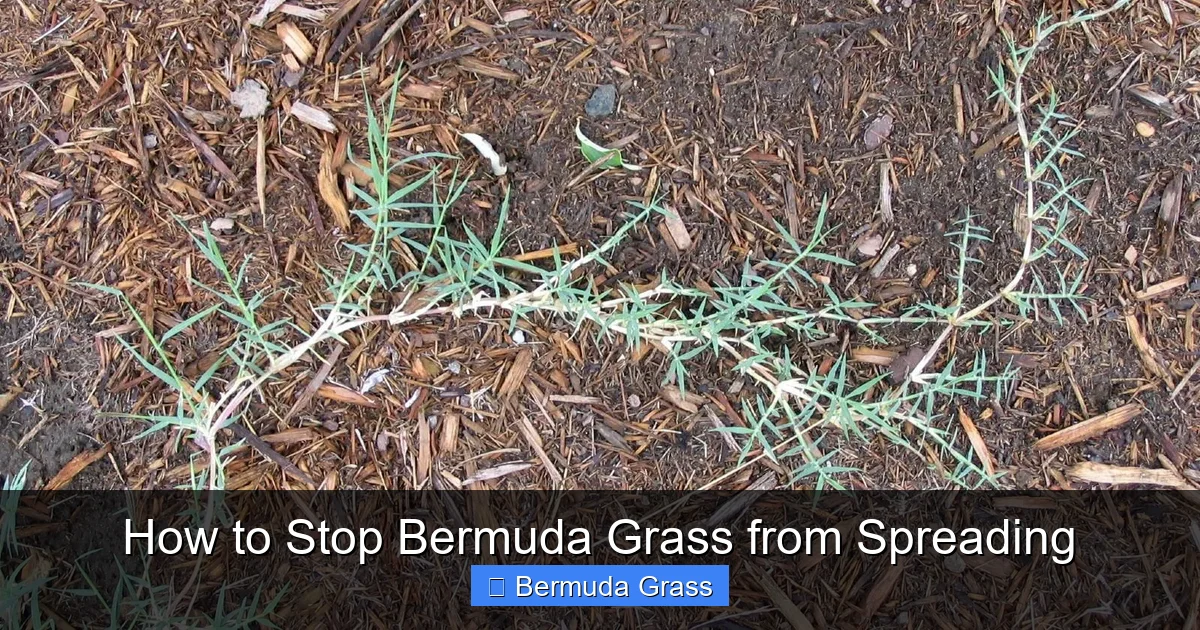
Before tackling the problem, it’s important to understand how Bermuda grass spreads. It mainly propagates through:
Visual guide about How to Stop Bermuda Grass from Spreading
Image source: extension.umd.edu
- Rhizomes: Underground stems that send out new shoots and roots.
- Sod: Above-ground runners that root at nodes.
- Seeds: Although less common, seed dispersal can also spread Bermuda grass.
Knowing this helps you choose the best method to control its spread. Bermuda grass is tough and resilient, but with patience and persistence, you can contain it.
Step 1: Identify and Assess the Problem Areas
Confirm it’s Bermuda grass
First, make sure the grass you’re dealing with is Bermuda. It has a dense, fine-textured appearance with a bright green color in summer. It’s also very hardy and recovers quickly from damage.
Inspect the spread
Check where Bermuda grass is spreading. Is it creeping into flower beds, pathways, or neighboring lawns? Identifying the boundaries helps plan your control strategy.
Step 2: Create Physical Barriers to Contain Bermuda Grass
Install edging or barriers
Use physical barriers like metal, plastic, or stone edging to prevent underground rhizomes from crossing into unwanted areas. Bury the barrier at least 6-8 inches deep to cut off underground runners effectively.
Visual guide about How to Stop Bermuda Grass from Spreading
Image source: i.ytimg.com
Use root barriers
In larger landscapes, consider installing root barriers made of high-density polyethylene. These are excellent for stopping Bermuda grass from spreading into lawns or garden beds.
Practical tip:
Ensure the barrier overlaps the soil surface slightly or is buried deep enough to prevent Bermuda rhizomes from sneaking underneath.
Step 3: Manual Removal and Digging Out Rhizomes
Regularly inspect for rhizomes
Underground runners look like thin, creeping stems. Use a garden fork or shovel to carefully dig out these rhizomes when you notice new growth.
Remove and dispose of rhizomes
Carefully extract all visible rhizomes and discard them far from your lawn. Do not compost them, as they can root and sprout again.
Practical tips:
- Work after rain or watering for easier digging.
- Wear gloves and use sharp tools for precise removal.
Step 4: Use Selective Herbicides Carefully
Select the right herbicide
Choose a herbicide labeled for Bermuda grass control. Look for products containing fluazifop or sethoxydim, which target grass weeds selectively.
Application tips
Apply herbicides during active growth periods—typically late spring or early summer. Follow manufacturer instructions carefully to avoid harming desirable plants.
Caution:
Always read labels to prevent damage to your lawn or surrounding plants. Use protective gear during application.
Step 5: Maintain a Healthy Lawn to Outcompete Bermuda Grass
Regular mowing
Keep your lawn at the recommended height for your grass type—usually 1-2 inches for cool-season grass and 1-2.5 inches for warm-season grasses. Mowing helps Bermuda grass from establishing dominance.
Aeration and overseeding
Aerate your lawn annually to improve soil health. Overseed with desirable grasses to fill in bare patches and create a dense, competitive turf that suppresses Bermuda grass.
Fertilization
Apply appropriate fertilizers to strengthen your lawn. A healthy, vigorous lawn is less vulnerable to invasion by Bermuda grass.
Step 6: Prevent Seed Dispersal and Spread
Remove seed heads
Regularly cut or remove Bermuda grass seed heads before they mature and disperse seeds. This reduces the chance of new Bermuda grass growing from seed.
Dispose of grass clippings properly
Avoid composting or dumping clippings containing seeds or rhizomes. Instead, bag and discard them in the trash.
Troubleshooting Tips
- Persistent spreading: If Bermuda grass keeps invading, revisit your barriers and manual removal efforts. It may take multiple seasons to fully control.
- Unwanted damage from herbicides: Always test on a small area first. Avoid applying during drought or extreme heat.
- Over-seeding issues: Ensure your desirable grasses are healthy and dense enough to outcompete Bermuda grass.
Conclusion
Controlling Bermuda grass from spreading requires a combination of physical barriers, manual removal, targeted herbicides, and good lawn care practices. Patience and persistence are key. By following these steps, you can keep Bermuda grass contained and enjoy a healthy, beautiful lawn.
Remember, early detection and consistent effort make the biggest difference. With time, you’ll be able to enjoy a Bermuda-free landscape!