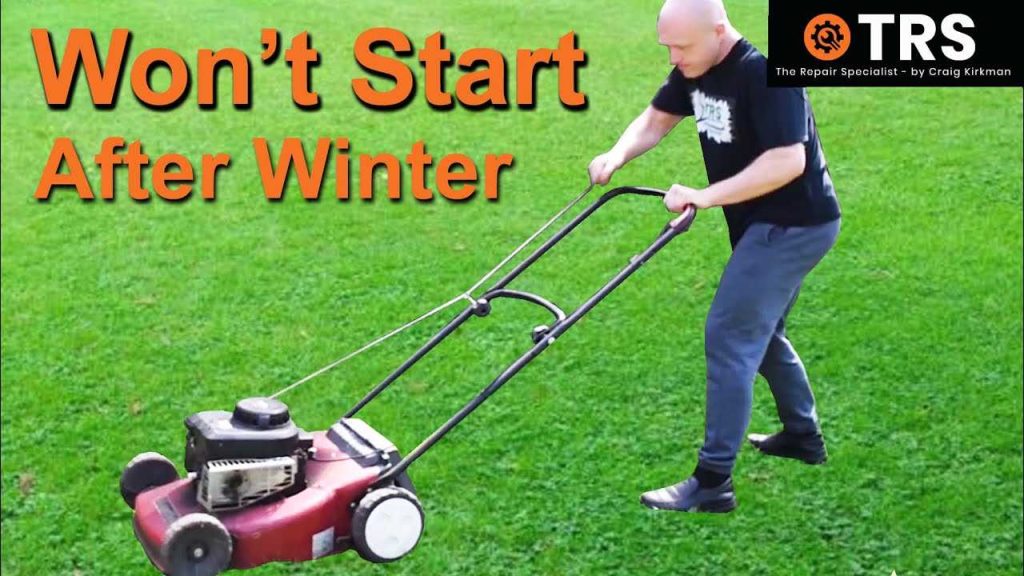
To get your mower humming again after winter, simply check the oil, inspect the spark plug, and ensure the fuel is fresh before giving it a pull. It’s a straightforward process that gets your lawn care back on track quickly.
In just a few simple steps—like refueling, changing the oil, and checking the spark plug—you can start your lawnmower smoothly after a long winter break. Regular maintenance both before storing and after bringing it out of hibernation ensures your mower runs efficiently and lasts longer. This quick guide will walk you through the essential tips to revive your mower and get your yard beautifully trimmed without hassle.

How to Start a Lawn Mower After Winter
Starting your lawn mower after a long winter break can seem challenging at first. But with the right steps, you can get your mower running smoothly again. Preparing your mower properly is crucial to avoid damage and ensure it works well all season long.
Inspect Your Lawn Mower for Winter Damage
Before attempting to start your mower, take a close look at it. Check for any signs of rust, corrosion, or damage caused by snow or ice. Look over the blades, spark plug, and air filter to see if they need cleaning or replacing.
Examine the fuel tank for stale or old fuel. Old fuel can clog the carburetor and make starting difficult. If your mower was stored with fuel inside, consider draining it completely before proceeding.
Change or Add Fresh Fuel
Using fresh fuel is essential for easy starting. Old or stale fuel can prevent your mower from starting or cause it to run poorly. Fill the tank with high-quality, fresh gasoline, preferably with a fuel stabilizer if your mower uses gasoline with ethanol.
| Fuel Type | Recommendation |
|---|---|
| Gasoline | Fresh, ethanol-free if possible |
| Fuel Stabilizer | Add to extend fuel shelf life and prevent deposits |
Replace or Clean the Spark Plug
A spark plug in poor condition can make starting difficult. Remove the spark plug and inspect it for signs of wear, deposits, or corrosion. Clean it with a wire brush or replace it if necessary.
Ensure the spark plug gap matches the manufacturer’s specifications before reinstalling. A properly gapped spark plug promotes reliable ignition.
Check and Change the Oil
Old or dirty oil can hinder engine performance. Check the oil level and color. If it looks dark or gritty, drain it and refill with fresh oil suitable for your mower model.
Regular oil changes maintain engine health and make starting easier. Refer to your user manual for the recommended oil type and quantity.
Inspect and Clean the Air Filter
A clogged air filter reduces airflow and hampers engine startup. Remove the air filter and clean or replace it as needed. Foam filters can often be washed and re-oiled, while paper filters should be replaced if dirty or damaged.
Keeping the air filter clean ensures proper air intake and easier engine ignition.
Check the Battery (if Electric or Starter-Ready Mowers)
For electric or battery-powered mowers, ensure the battery is fully charged. Check for corrosion on the terminals and clean them gently if needed. Replace the battery if it no longer holds a charge properly.
Properly charged batteries provide the needed power to start the mower smoothly.
Prime the Engine Correctly
Most lawn mowers have a primer bulb that helps supply fuel to the carburetor. Locate this bulb and press it several times to make sure fuel reaches the engine. Do not over-prime, as this can flood the engine.
Priming helps the engine start quickly by providing the necessary fuel for ignition.
Adjust the Choke and Throttle
Set the choke to the “closed” position if your mower has one. This enriches the fuel mixture, making starting easier. Move the throttle to the “fast” or “high” setting to provide more fuel and air to the engine.
Adjusting these controls properly can significantly improve your chances of a successful start.
Starting Your Lawn Mower Step-by-Step
Manual Pull-Start Mowers
- Stand on a flat surface and ensure the mower is on a clear area.
- Engage the safety lever or handle.
- Set the choke to “closed” or “start.”
- Pull the starter handle smoothly but firmly.
- If the engine fires, gradually move the choke to the “open” position as it warms up.
- Adjust the throttle and release the safety lever to begin mowing.
Electric or Battery-Operated Mowers
- Ensure the battery is fully charged before starting.
- Press the ignition button or switch to turn on.
- Hold the safety or reverse button if required.
- Pull the trigger or engage the switch to start the blades.
- Begin mowing once the engine runs smoothly.
Troubleshooting Common Starting Problems
Engine Won’t Start
- Check fuel levels and fuel quality.
- Inspect the spark plug and replace if necessary.
- Verify the choke and throttle are correctly set.
- Ensure the air filter is clean.
- Look for fuel or oil leaks that could affect operation.
Engine Starts Then Dies
- Check for a flooded engine; wait a few minutes and try again.
- Adjust the choke to a half-open position.
- Inspect the carburetor for clogs or dirt.
- Ensure the air filter is clean and unobstructed.
Engine Runs Rough
- Replace or clean the air filter.
- Use fresh fuel with stabilizer.
- Check for loose or damaged spark plug wires.
- Inspect for debris clogging the blades or cooling fins.
Maintaining Your Mower for Reliable Starts
Prevent future starting issues by performing regular maintenance. Clean the mower after use and store it in a dry, sheltered area. Regularly replace filters, spark plugs, and oil to keep the mower in top shape.
Ensure blades are sharpened for efficient cutting and less strain on the engine. Check for loose bolts or parts before each mowing session.
Additional Tips for Easy Starting in Spring
- Perform a thorough cleaning of your mower after winter storage.
- Check for any signs of rust or corrosion and treat accordingly.
- Recheck all fluid levels and replace them if necessary.
- Test the safety features and controls to ensure proper operation.
- Read the manufacturer’s guidelines for specific starting procedures and maintenance tips.
With proper inspection, maintenance, and a few simple steps, your lawn mower will start reliably after winter and be ready for the new mowing season. Taking the time now to prepare your mower helps prevent issues down the line and keeps your lawn looking its best all season long.
How To Start A Mower That's Been Sitting
Frequently Asked Questions
What are the initial steps to prepare my lawn mower after winter storage?
Begin by removing any old grass or debris from the mower. Check the oil level and top it up if necessary. Inspect the spark plug for signs of corrosion or damage and replace it if needed. Also, examine the air filter and clean or replace it to ensure proper airflow. Finally, check the fuel tank; if old fuel remains, drain it and refill with fresh gasoline.
How can I ensure the mower’s engine runs smoothly after sitting idle during winter?
First, prime the engine to promote proper fuel circulation. Pull the starter cord slowly to check for resistance, then try starting the engine. If it doesn’t start immediately, give it a few pulls. Once running, let the mower idle for a few minutes to stabilize. Cleaning the carburetor or applying a fuel additive can also help improve combustion if the engine struggles to start.
What safety precautions should I follow before starting my mower after winter?
Always wear protective gloves and eye protection when working on or starting the mower. Ensure the mower is placed on a flat, stable surface away from children and pets. Disconnect the spark plug wire during maintenance to prevent accidental starting. Check the blades for sharpness and secure attachment, and ensure there’s no fuel leakage or loose parts before attempting to start the mower.
How do I troubleshoot if my lawn mower fails to start after winter?
Confirm that there’s fresh fuel in the tank and that the fuel valve is open. Inspect the spark plug for signs of wear or fouling and replace it if necessary. Check the air filter for clogs and clean it thoroughly. Look for any visible damage or corrosion in the spark plug wire or ignition system. If these steps don’t resolve the issue, consider consulting a professional for further diagnosis.
Should I perform any maintenance before the first cut of the season?
Yes, perform a comprehensive check-up of your mower. Change the oil if needed, sharpen or replace the blades for a clean cut, and inspect the tires for proper inflation. Clean the underside of the deck to remove any stuck grass or dirt. Also, double-check that all screws and bolts are tight. These steps ensure your mower operates efficiently and safely during the season.
Final Thoughts
To start a lawn mower after winter, begin by inspecting the entire machine for any damage or corrosion. Change the oil and check the fuel tank; if stale, drain it and add fresh gasoline. Prime the carburetor if necessary, then ensure the spark plug is clean and properly seated.
Pull the starter cord firmly and repeatedly until the mower fires up. Regular maintenance and proper preparation ensure your mower runs smoothly after winter. Remember, knowing how to start a lawn mower after winter makes yard work easier and more efficient.