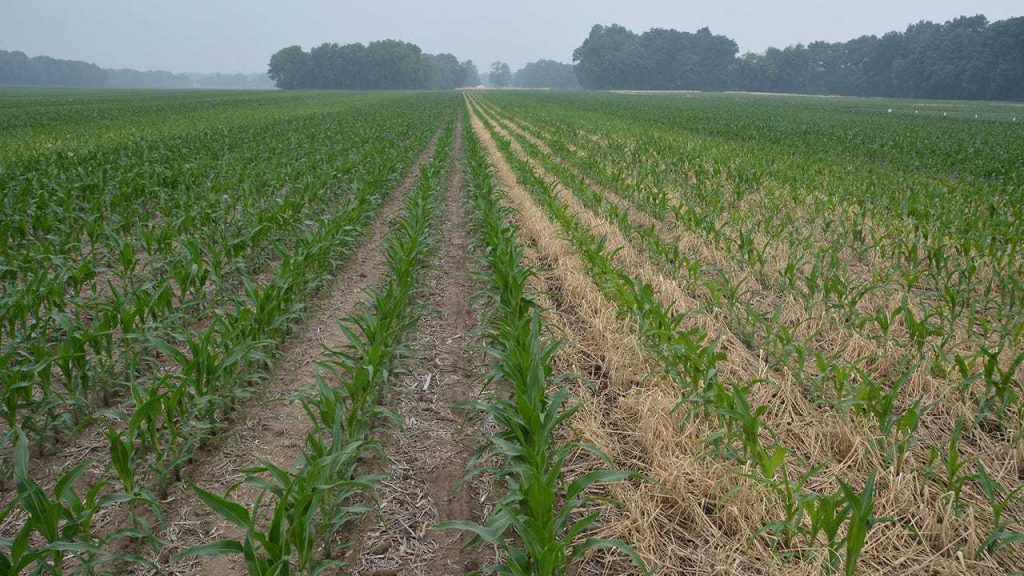
Yes, ryegrass can grow without tilling, making it a great option for those looking to establish a lawn or pasture with minimal disturbance. You don’t need to turn over the soil to see healthy, lush ryegrass; instead, you can seed directly onto existing turf or prepared soil. In fact, ryegrass is quite adaptable and can establish quickly even without traditional tilling, especially if the soil is properly prepared and the seeds are adequately conditioned. This approach saves time, reduces soil erosion, and promotes healthier soil structure in the long run.
Ryegrass can indeed grow without tilling, provided the soil is properly prepared and the seeds are planted correctly. It’s a practical choice for quick greening and erosion control, especially for those who prefer a no-fuss gardening method. With the right steps, you can enjoy a vibrant ryegrass lawn or cover crop without the need to dig up your land.
Starting a ryegrass lawn without tilling is a smart, eco-friendly way to achieve a lush, green space. Many people wonder if they need to rough up their soil before planting, and the good news is, it’s often unnecessary. Ryegrass is hardy and adaptable; it can germinate and thrive even on existing grass or compacted soil, provided the seed is well-prepared and properly laid down. This method is especially appealing for gardeners looking to save time and reduce soil disturbance, making it a popular choice for overseeding or quick lawn renovation projects. Proper preparation—such as mowing existing grass, aerating the soil, and ensuring good seed-to-soil contact—is key to successful ryegrass growth without tilling.

Will Ryegrass Grow Without Tilling?
Many gardeners and landscapers wonder if they can grow ryegrass without tilling their soil. Tilling is often used to prepare land, but it can disturb the soil structure and harm existing beneficial organisms. Growing ryegrass without tilling offers a simpler, less invasive way to establish a healthy lawn or pasture. In this section, we will explore whether ryegrass can grow without tilling and how to do it successfully.
Understanding Ryegrass and Its Growing Needs
Ryegrass is a fast-growing grass that thrives in cooler weather. It prefers well-drained, fertile soil with good sunlight. Knowing its basic requirements helps determine if tilling is necessary for its growth.
Typically, ryegrass has excellent germination rates in prepared soil, but it can also establish in existing grass or soil layers. This adaptability can make no-till planting a viable option for many situations.
Can Ryegrass Grow Without Tilling?
Yes, ryegrass can grow without tilling under the right conditions. It is often used in no-till lawn renovations or overseeding projects. This approach preserves the soil’s natural structure and reduces weed growth.
However, the success largely depends on the existing soil quality, seed preparation, and management practices. Proper groundwork without tilling can still lead to a lush, green ryegrass lawn.
Advantages of Growing Ryegrass Without Tilling
- Protects Soil Health: No-till methods help retain soil nutrients and prevent erosion.
- Reduces Weed Growth: Minimal disturbance discourages weed seed germination.
- Less Labor-Intensive: Eliminates the need for heavy equipment and physical labor.
- Maintains Soil Structure: Preserves natural soil layers and beneficial organisms.
Step-by-Step Guide to Growing Ryegrass Without Tilling
1. Assess and Prepare the Site
Start by evaluating your current soil condition. Remove debris, rocks, or large weeds to create a clean planting area. If the soil is very compacted or poor, consider light surface aeration or topdressing with compost to improve fertility.
2. Choose the Right Ryegrass Seed
Select high-quality, cold-tolerant ryegrass seed suited to your climate. Check seed purity and germination rates for optimal results. If overseeding, ensure the seed matches the existing grass type for better integration.
3. Prepare the Seed Bed
Lightly rake or scarify the surface to loosen the top layer of soil. This enhances seed-to-soil contact, which is vital for germination. Avoid deep cultivation to preserve the soil’s structure.
4. Sow the Ryegrass Seed
Spread the seed evenly across the prepared area, using a broadcast spreader or by hand. For best results, aim for a seeding rate recommended on the seed packaging.
5. Cover the Seed
Lightly rake the area again to ensure the seed is just beneath the surface or cover with a thin layer of compost or soil. This protects the seed and maintains moisture.
6. Water Thoroughly and Regularly
Keep the soil consistently moist during germination, usually for the first two to three weeks. Use light, frequent watering to prevent washout or drought stress.
7. Manage Growth and Weeds
Once ryegrass germinates, mow at the recommended height and control weeds manually or with selective herbicides if necessary. Avoid over-fertilizing initially to prevent excessive weed growth.
Maintaining a Ryegrass Lawn Without Tilling
After establishing, maintaining a ryegrass lawn without tilling involves regular mowing, watering, and fertilizing. Use organic compost and slow-release fertilizers to promote healthy growth. Overseeding annually helps fill in bare patches and keeps the lawn dense.
Challenges and How to Overcome Them
Weed Competition
Weeds can compete with ryegrass if the soil isn’t prepared properly. To minimize this, perform spot removal and use mulch or overseeding to suppress weeds.
Poor Germination Rates
If seed germination is low, check for seed quality, watering practices, and seed-to-soil contact. Using a seed starter mix or light topdressing can improve success rates.
Soil Compaction
Compacted soil makes it difficult for roots to develop. Aerate the soil lightly or add organic matter to improve porosity and structure.
Related Topics: No-Till Lawn Renovation and Overseeding
No-till lawn renovation is an effective method to upgrade a patchy or overgrown lawn without disruption. Overseeding with ryegrass in existing grass can help fill bare spots while maintaining soil integrity. Both strategies are environmentally friendly and cost-effective.
Final Tips for Growing Ryegrass Without Tilling
- Choose the right seed: Use high-quality, adapted ryegrass varieties for your climate.
- Prepare minimally: Light surface disturbance improves seed contact but avoid deep tillage.
- Water consistently: Keep soil moist during germination and establishment phases.
- Mulch and overseed: Use mulching to conserve moisture and improve soil health.
- Manage weeds: Control weeds early to prevent competition and establish a dense ryegrass stand.
Growing ryegrass without tilling offers a sustainable and less labor-intensive way to achieve a vibrant, healthy lawn. With proper planning and care, you can successfully establish ryegrass and enjoy its lush greenery without disturbing the soil structure.
If You Don’t Cover Seed Will Grass Still Grow?
Frequently Asked Questions
Can ryegrass establish successfully without soil preparation?
Yes, ryegrass can establish itself without intensive soil preparation. However, for better germination and growth, it’s beneficial to clear the area of weeds and debris. Lightly aerating the soil or raking the surface can also help improve seed contact with the ground, encouraging stronger root development and healthier growth.
Does ryegrass require tilling to grow on compacted soil?
Ryegrass can grow on compacted soil without tilling, but soil compaction may slow seedling emergence and lead to uneven growth. Aerating the soil or using a dethatching rake can alleviate compaction and create a more favorable environment for the grass to take root and spread effectively.
Is it necessary to loosen the soil before overseeding with ryegrass?
Loosening the soil before overseeding can improve seed-soil contact and promote better germination. While not strictly required, lightly aerating or scratching the surface helps the seeds make better contact with the soil, resulting in quicker establishment and a more even turf over time.
Final Thoughts
Ryegrass can grow without tilling, especially if the soil is prepared properly. Applying seed directly to well-maintained, moist soil encourages good germination. Minimal disturbance helps preserve soil health and reduces weed competition.
While tilling can help, it is not always necessary for ryegrass growth. Proper seeding and moisture are crucial. Overall, ryegrass will grow without tilling under the right conditions, making it a convenient option for many gardeners.