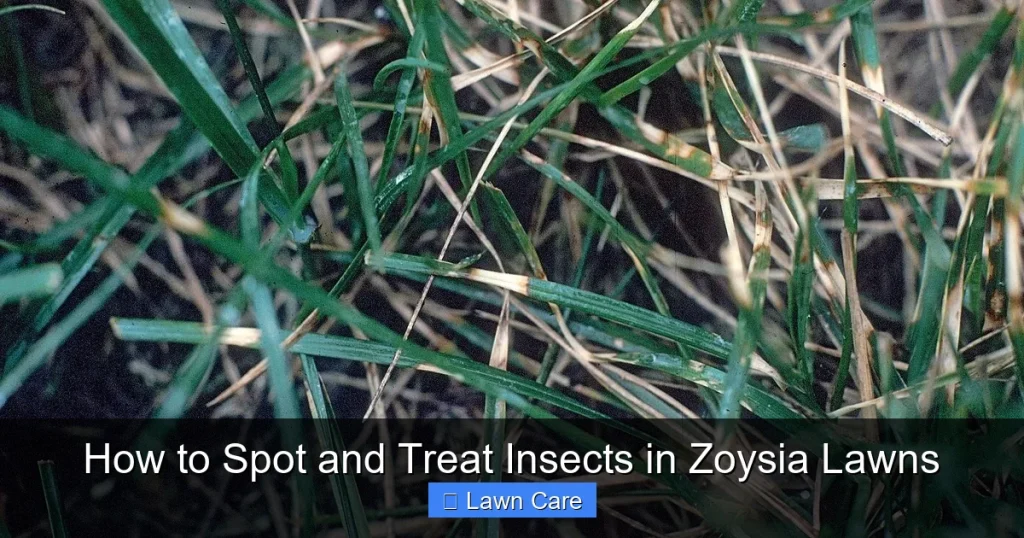
Don’t let insects ruin your beautiful Zoysia lawn! This guide helps you identify common pests, understand their damage, and offers effective treatment strategies. Early detection and the right approach are key to a healthy, vibrant Zoysia turf.
- Regular inspection is crucial: Look for signs of damage and insects frequently.
- Identify the pest: Different insects require different treatment methods.
- Integrated Pest Management (IPM) is best: Combine cultural, biological, and chemical controls.
- Healthy lawns resist pests: Proper watering, fertilization, and mowing are your first line of defense.
- Targeted treatments work: Apply treatments only where needed.
- Timing matters: Treat pests when they are most vulnerable.
- Consider natural methods: Beneficial insects and organic insecticides can be effective.
[FEATURED_IMAGE_PLACEHOLDER]
Quick Answers to Common Questions
What are the first signs of insect damage in a Zoysia lawn?
Common early signs include irregular brown or yellow patches that look like drought stress, thinning grass, and sections of turf that lift up easily like a carpet.
Are chinch bugs a major problem for Zoysia grass?
Yes, chinch bugs are considered one of the most significant insect pests for Zoysia grass. They thrive in sunny, dry conditions and feed on grass blades.
How can I tell if I have white grubs?
You’ll notice wilting, yellowing, or dead patches of grass that can be easily lifted. Inspect the soil by digging up a small section; finding more than 5-10 grubs per square foot indicates a problem.
Can I treat insect problems in my Zoysia lawn naturally?
Yes, natural methods like encouraging beneficial insects, using beneficial nematodes, and maintaining a healthy lawn through proper cultural practices are effective. Bacillus thuringiensis (Bt) is also a biological insecticide for caterpillars.
When is the best time to treat for lawn insects?
The best time varies by insect. Generally, treating when the insects are young and actively feeding, or during specific life cycle stages (like early fall for grubs), is most effective. Always check the pest’s life cycle and product labels.
📑 Table of Contents
- Your Zoysia Lawn: A Bug’s Best Friend? Not If You Can Help It!
- Understanding Zoysia Grass and Insect Vulnerabilities
- Common Zoysia Lawn Insects and How to Spot Them
- Integrated Pest Management (IPM) for Your Zoysia Lawn
- Specific Treatment Strategies for Common Pests
- When to Call a Professional
- Conclusion: Your Zoysia Lawn’s Defense Plan
Your Zoysia Lawn: A Bug’s Best Friend? Not If You Can Help It!
Ah, the Zoysia lawn. That dense, beautiful, weed-resistant carpet of green. It’s the envy of the neighborhood, the perfect spot for barefoot summer days, and a testament to your dedication to lawn care. But what happens when your prized Zoysia starts showing signs of distress? Brown patches, thinning areas, or a general lackluster appearance can be frustrating. While disease is often a culprit, let’s not forget about the tiny invaders that can wreak havoc: lawn insects.
Yes, even a tough grass like Zoysia isn’t entirely immune to the nibblers and burrowers that call our yards home. But don’t despair! Understanding how to spot and treat insects in Zoysia lawns is totally achievable. Think of it as getting to know your lawn intimately – you’ll learn its secrets, its vulnerabilities, and how to protect it. This guide is your friendly roadmap to keeping those pesky bugs at bay and your Zoysia looking its absolute best.
Understanding Zoysia Grass and Insect Vulnerabilities
Visual guide about How to Spot and Treat Insects in Zoysia Lawns
Image source: i.ytimg.com
Zoysia grass is known for its resilience. It forms a dense sod, which can be a natural barrier against some smaller insects. However, this density can also provide a perfect hiding place and food source for others. Its deep root system helps it withstand drought, but stressed grass, even a tough variety like Zoysia, becomes more susceptible to pest damage. Factors like improper mowing height, over or under-watering, and poor soil health can weaken your lawn, making it a prime target for hungry bugs.
Knowing the common insects that target Zoysia is half the battle. Each pest has its own feeding habits, life cycle, and preferred signs of damage. By recognizing these unique signatures, you can quickly pinpoint the problem and choose the most effective solution. Let’s dive into the most common culprits and how to identify them.
Common Zoysia Lawn Insects and How to Spot Them
Visual guide about How to Spot and Treat Insects in Zoysia Lawns
Image source: 22547641.fs1.hubspotusercontent-na1.net
Identifying the enemy is the first and most crucial step in treating any insect problem. Misidentification can lead to ineffective treatments, wasted money, and continued damage to your lawn. Here are some of the most common insects you might find in your Zoysia lawn and the signs they leave behind:
Chinch Bugs
These tiny, slender insects are a major headache for many lawn owners, especially those with Zoysia. They are typically black with white markings on their wings and about 1/4 inch long. Nymphs (young chinch bugs) are smaller and more reddish-brown.
Signs of Damage: Chinch bugs feed by sucking the juices from grass blades, injecting a toxic saliva that causes the grass to die. They tend to congregate in sunny, dry areas, often near the edges of the lawn or along sidewalks and driveways. You’ll notice irregular brown or yellowish patches that look like drought stress, but they won’t improve with watering. If you look closely, you might see them actively running when disturbed. A good way to check is to push a section of turf into a coffee can with both ends removed, filling the can with water. If chinch bugs are present, they will float to the surface.
White Grubs
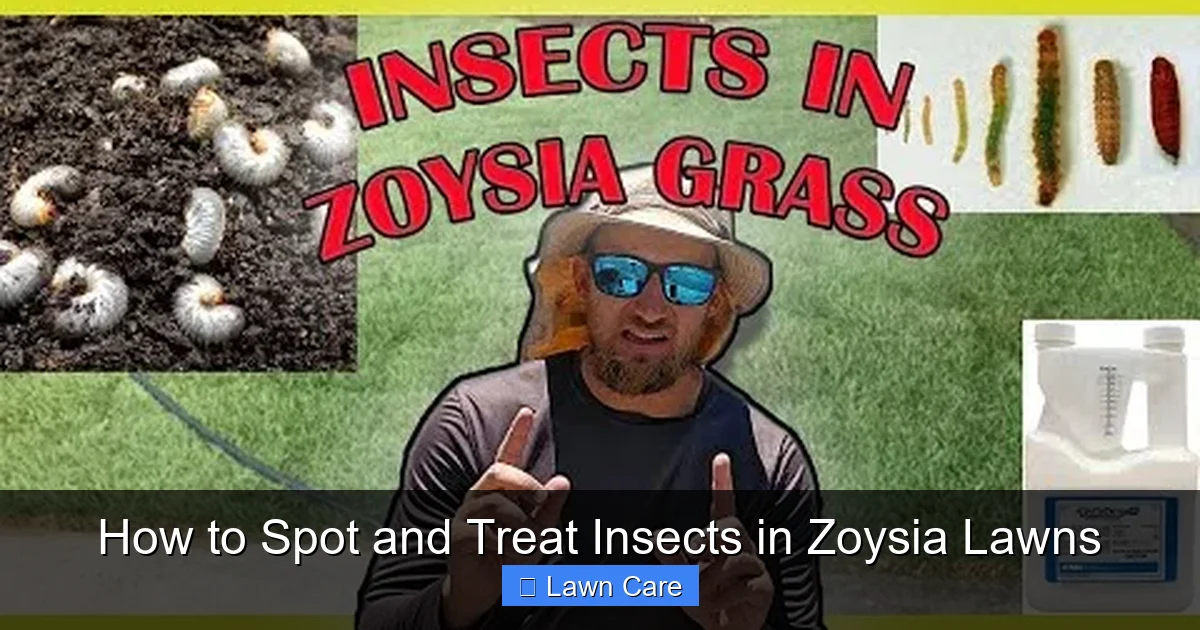
These are the C-shaped larvae of various beetles, like the Japanese beetle or June beetle. They live in the soil and feed on the grass roots. This is particularly damaging during their peak feeding season, which can be late summer or early fall.
Signs of Damage: The most obvious sign of grub damage is wilting, yellowing, and eventually dying patches of grass that lift up easily like a carpet. This is because their roots have been eaten away. You might also see increased activity from animals like raccoons, skunks, or birds digging in your lawn, as they are attracted to grubs as a food source. To check for grubs, dig up a 1-square-foot section of turf in a suspected area. If you find more than 5-10 grubs per square foot, you likely have a problem.
Sod Webworms
These are the larvae of lawn moths. They are small, greenish-brown caterpillars that create silken tunnels in the thatch layer or just below the soil surface. They are most active at night.
Signs of Damage: Sod webworms feed on grass blades, chewing them down to the soil surface, which creates a ragged, chewed appearance. They are often found in irregular patches, sometimes with a chewed, sawdust-like material visible on the surface from their frass (excrement). You might notice small, white moths flying low over the grass in the evening, which are the adult stage.
Armyworms
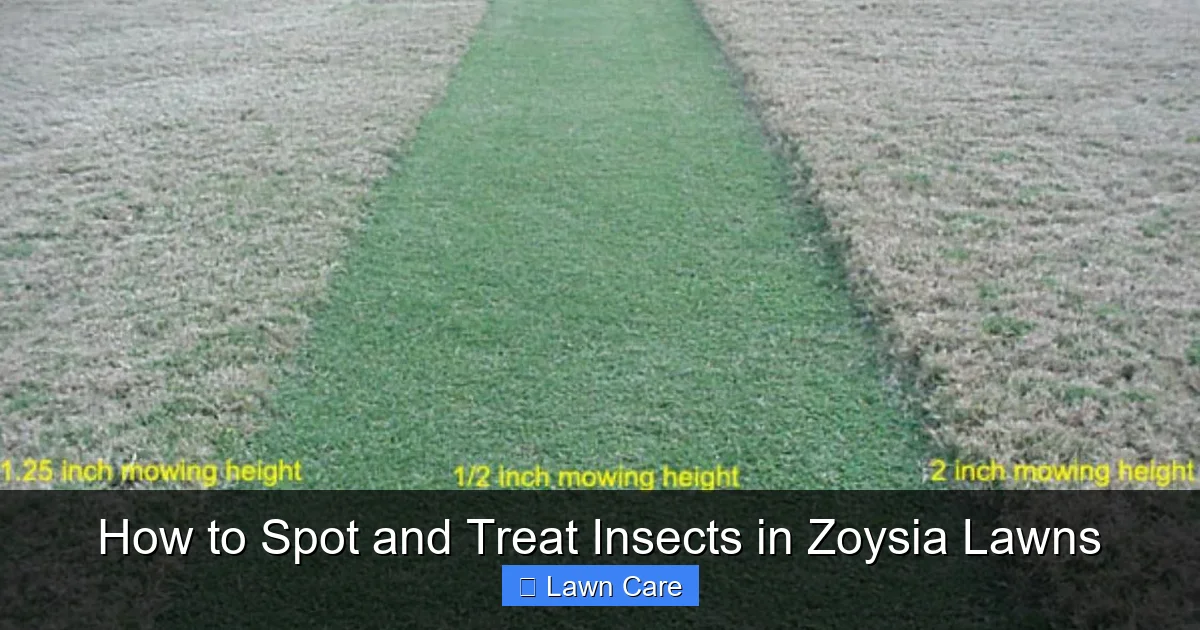
As their name suggests, armyworms can move in large numbers, feeding voraciously on grass blades. They are typically greenish-brown with distinctive stripes and are about 1 to 1.5 inches long when fully grown.
Signs of Damage: Armyworms chew the grass blades, sometimes down to the soil, creating large, irregular brown patches that can appear very quickly. They are most active in late summer and early fall. You might see them crawling across sidewalks or patios in large numbers.
Billbugs
These are small, snout-nosed beetles that lay their eggs inside grass stems. The larvae then chew their way out and feed on the grass roots and crowns.
Signs of Damage: Billbug damage often starts as irregular patches of yellowing or browning grass that resemble drought stress. The grass may eventually die and pull up easily from the ground. You might notice small holes in the grass stems where they have emerged, and small, sawdust-like frass around the base of the plants.
Integrated Pest Management (IPM) for Your Zoysia Lawn
Visual guide about How to Spot and Treat Insects in Zoysia Lawns
Image source: i.pinimg.com
The best approach to managing lawn insects is Integrated Pest Management (IPM). This strategy focuses on long-term prevention and control, using a combination of methods rather than relying solely on chemical pesticides. It’s more environmentally friendly and often more effective in the long run.
Cultural Controls: Building a Strong Defense
Your first line of defense is a healthy lawn. Zoysia is naturally robust, but proper care makes it even more resistant to pests.
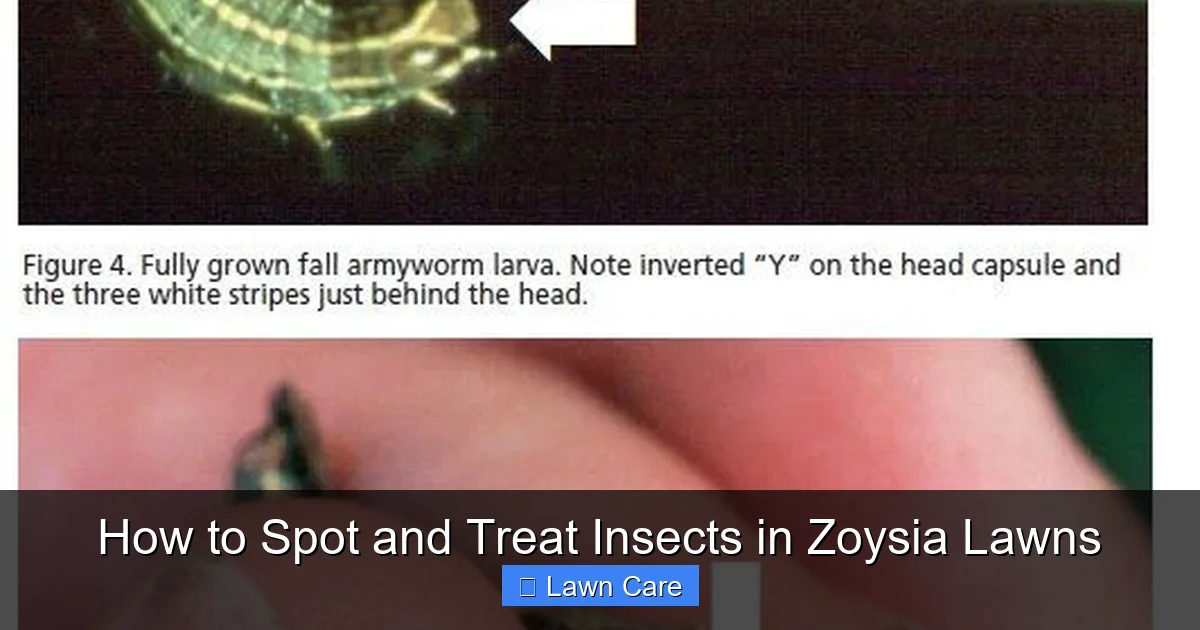
* Proper Mowing: Mow your Zoysia at the correct height. For most varieties, this is between 1 and 2.5 inches. Mowing too short stresses the grass, making it vulnerable.
* Appropriate Watering: Zoysia is drought-tolerant, but it still needs water. Water deeply and infrequently, allowing the soil to dry slightly between waterings. Overwatering can create an environment conducive to some pests and diseases.
* Fertilization: Feed your Zoysia with the right nutrients at the right times. A balanced fertilizer promotes strong root and shoot growth. Avoid over-fertilizing, especially with high-nitrogen fertilizers, which can encourage lush growth that attracts certain pests. Check out our guide on [when and how to fertilize Zoysia grass for best results](https://lawnhelpful.com/when-and-how-to-fertilize-zoysia-grass-for-best-results/) for detailed advice.
* Thatch Management: Excessive thatch (dead organic matter) can harbor insects. Dethatch your lawn annually or as needed.
* Soil Health: Healthy soil provides strong roots. Aeration can improve soil structure and drainage, making it harder for some pests to thrive. Improving [soil health](https://lawnhelpful.com/the-role-of-microbes-in-lawn-soil-health-and-how-to-boost-them/) is fundamental.
Biological Controls: Nature’s Helpers
Nature has its own pest control system. Encouraging beneficial insects and other natural predators can significantly reduce pest populations.
* **Beneficial Insects:** Ladybugs, lacewings, and predatory mites feed on common lawn pests like aphids and some insect eggs. You can attract them by planting flowering plants around the edges of your lawn.
* **Nematodes:** Certain species of beneficial nematodes can parasitize and kill grub larvae and other soil-dwelling pests. These microscopic roundworms are applied to the soil.
* **Birds and Other Animals:** Encourage birds that eat insects by providing water sources and avoiding broad-spectrum pesticides.
Chemical Controls: When Necessary
Sometimes, pest populations can overwhelm natural defenses. In these cases, targeted chemical treatments may be necessary. However, always opt for the least toxic option first and apply it precisely where the problem exists.
* **Spot Treatment:** Instead of spraying your entire lawn, identify the affected areas and treat only those spots. This conserves beneficial insects and reduces chemical use.
* **Insecticides:** Choose an insecticide labeled for the specific pest you have identified and for use on Zoysia grass. Follow label instructions meticulously regarding application rates, timing, and safety precautions.
* **Timing is Key:** Apply insecticides when the pests are most vulnerable. For example, some insecticides are most effective against young larvae before they develop resistance. Research the life cycle of the pest you’re dealing with. For grubs, treating in late summer or early fall when they are actively feeding near the surface is often recommended. We have a helpful article on [how to treat lawn for grubs in fall](https://lawnhelpful.com/how-to-treat-lawn-for-grubs-in-fall/).
* **Read the Label:** Always read and follow the insecticide label instructions carefully. This ensures efficacy and your safety. It will specify what pests it targets and what type of grass it can be used on.
Specific Treatment Strategies for Common Pests
Now let’s get a bit more specific about treating the pests we discussed earlier. Remember, always try cultural and biological methods first!
Treating Chinch Bugs
* **Cultural:** Ensure proper watering, especially in dry periods. Improve air circulation and drainage if possible.
* **Chemical:** When populations are high, insecticidal soaps or specific synthetic insecticides labeled for chinch bugs can be effective. Apply in the late afternoon or early evening when temperatures are cooler. Thorough watering after application can help the product reach the active bugs in the thatch.
Treating White Grubs
* **Cultural:** Maintain a healthy lawn with proper watering and fertilization. Aeration can help improve soil conditions.
* **Biological:** Beneficial nematodes can be applied in late summer to target grubs. Milky spore disease is another option, though it may take a few years to become fully effective.
* **Chemical:** Apply a grub control product. The timing is crucial. Products for curative control are most effective when grubs are actively feeding and close to the surface, typically in late summer or early fall. Preventive treatments applied in early summer can also be effective. It’s important to water the insecticide in according to the product label.
Treating Sod Webworms and Armyworms
* **Cultural:** Keep mowing height appropriate. Remove excess thatch.
* **Chemical:** Insecticides labeled for caterpillars are usually effective. Bacillus thuringiensis (Bt) is a biological insecticide that works well against young caterpillars and is safe for beneficial insects. Apply when the caterpillars are small and actively feeding, usually in the evening.
Treating Billbugs
* **Cultural:** Maintain a healthy, resilient lawn.
* **Chemical:** Insecticides targeting adult beetles or larvae can be used. The best time for application depends on the specific billbug species and its life cycle, often during spring or early summer when adults are active or laying eggs.
When to Call a Professional
While many insect problems can be handled with DIY methods, there are times when professional help is the best course of action.
* **Severe Infestations:** If you have a widespread and severe infestation that you can’t control, a professional lawn care service has access to stronger products and specialized equipment.
* **Uncertainty:** If you’re unsure about the pest you’re dealing with, or the best treatment method, a professional can accurately diagnose the problem.
* **Extensive Lawn Damage:** If your lawn has already suffered significant damage, a professional can help with remediation and repair.
Remember, preventing insect problems is always easier than treating them. By focusing on maintaining a healthy Zoysia lawn through proper cultural practices, you build its natural defenses and create an environment that is less inviting to pests.
Conclusion: Your Zoysia Lawn’s Defense Plan
Keeping your Zoysia lawn looking its best involves vigilance and understanding. Insects are a natural part of the ecosystem, but when their populations explode, they can cause serious damage. By learning to spot the signs of common Zoysia lawn insects and implementing an Integrated Pest Management (IPM) strategy, you can effectively protect your turf.
Start with the basics: a healthy lawn is the best defense. Maintain proper mowing, watering, and fertilization schedules. Encourage beneficial insects and consider natural control methods. When necessary, use targeted chemical treatments judiciously, always following label instructions.
A beautiful Zoysia lawn is a rewarding investment. With a little effort and the knowledge from this guide, you can keep those unwanted insect guests out and enjoy your lush, green oasis all season long. Happy lawn care!
Frequently Asked Questions
What is the most common insect that damages Zoysia lawns?
Chinch bugs are widely considered the most common and damaging insect pest for Zoysia lawns. They feed on grass blades, causing distinct brown patches that resemble drought stress.
How often should I inspect my Zoysia lawn for insects?
It’s a good idea to inspect your lawn at least once a week, especially during the warmer months when insect activity is highest. Pay attention to any changes in the grass’s appearance.
What should I do if I find insects in my Zoysia lawn?
First, identify the insect. Then, consider cultural or biological control methods. If the infestation is severe, use a targeted chemical treatment, ensuring it’s appropriate for Zoysia grass and the specific pest.
Are there any lawn diseases that mimic insect damage?
Yes, several lawn diseases, such as brown patch and Zoysia patch disease, can cause brown or discolored areas that might be mistaken for insect damage. It’s important to properly diagnose the issue.
Can ants be a problem in Zoysia lawns?
While ants are common, they typically don’t cause significant damage to established Zoysia lawns unless their colonies are exceptionally large or they are farming aphids. Some ant treatments can be applied if they become a nuisance.
What is the role of healthy soil in preventing Zoysia lawn insects?
Healthy soil promotes strong root development and overall turf vigor, making your Zoysia grass more resilient and less attractive to many pest insects. Good soil health also supports beneficial microorganisms that can help suppress pest populations.