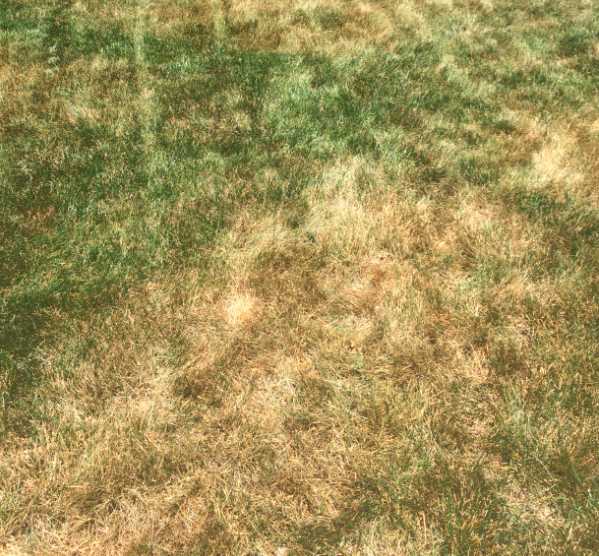
Quick solution: Water your lawn deeply and regularly, promote healthy growth with proper fertilization, and lightly aerate to give roots room to breathe. These simple steps will help your heat-stressed lawn bounce back faster.
If your lawn is looking tired, brown, and wilted after a heatwave, don’t despair. Reviving a heat-stressed lawn might seem daunting, but with the right approach, you can bring it back to life. When temperatures soar, grass can become dehydrated, root systems weaken, and patches of dead grass appear. The key is understanding what your lawn needs—mainly consistent moisture, nutrients, and relief from compacted soil. In this article, we’ll explore practical and easy-to-follow tips to help you restore your lawn’s health and beauty after extreme heat. Whether you’re a seasoned gardener or a weekend gardener, these strategies will guide you toward a lush, vibrant yard even during hot summer months.

How to Revive a Heat-Stressed Lawn
Understanding Heat Stress and Its Impact on Your Lawn
Heat stress occurs when high temperatures and intense sunlight cause your lawn to lose essential moisture faster than it can be replaced. This often results in brown patches, wilting grass, and an overall unhealthy appearance. Recognizing the signs early helps you take the right steps to revive your lawn quickly.
During periods of extreme heat, grass cells dry out, and the grass becomes more vulnerable to pests and diseases. Persistent heat can weaken the root system, making it difficult for the grass to recover. Knowing how heat affects your lawn allows you to implement effective strategies to keep it healthy.
Common Signs of a Heat-Stressed Lawn
- Brown or yellow patches appearing across the yard
- Grass that feels dry and brittle
- Slowed or halted growth
- Wilting or flattened grass blades
- Patchy appearance with uneven color
Early detection helps prevent further damage and enhances the chances of successful revival.
Immediate Actions to Take When Your Lawn Becomes Heat-Stressed
Start by watering your lawn properly to replenish lost moisture. Use a deep watering technique that penetrates at least 6 inches into the soil, ensuring the roots get enough water.
Avoid mowing your grass too short, as this exposes more soil and stresses the roots further. Keep blades at the recommended height for your grass type, which typically ranges from 2.5 to 3.5 inches.
Reduce foot traffic and avoid any activities that could tear or compact the soil. Providing shade with umbrellas or temporary coverings can also help reduce additional stress on the grass.
Effective Watering Techniques for Reviving Your Lawn
Proper watering is vital to recovering from heat stress. Water early in the morning when temperatures are cooler and evaporation is minimal. This ensures your lawn absorbs the maximum amount of moisture.
Deep watering encourages the roots to grow deeper, making the grass more drought-resistant. Aim for watering sessions that soak the soil to a depth of at least 6 inches, which typically takes about 30 to 60 minutes depending on your system.
Establish a regular watering schedule during dry periods, usually three times a week. Be careful not to overwater, which can lead to fungal issues and root rot.
Soil Management and Aeration
Healthy soil is the foundation of a vibrant lawn. Aerate your lawn to loosen compacted soil, allowing better water and nutrient penetration. Use a core aerator and remove plugs from the soil surface.
Testing your soil’s pH helps determine if adjustments are needed. Most grasses thrive in a pH of 6.0 to 7.0. Apply lime or sulfur accordingly to balance the pH and improve nutrient availability.
Adding organic matter like compost or peat moss enhances soil structure. It retains moisture better and supplies essential nutrients to support grass recovery.
Choosing the Right Grass Type for Heat Tolerance
Some grass types are better suited to withstand high temperatures and drought conditions. Warm-season grasses such as Buffalo, Bermuda, Zoysia, and Centipede perform well in hot climates.
If you live in an area prone to heat stress, consider overseeding with heat-tolerant varieties. These grasses recover faster and stay greener during extreme weather.
Research your local climate and grass options before planting or overseeding. Proper selection increases the chances of a resilient, lush lawn through the hot months.
Fertilizing to Promote Lawn Recovery
Applying fertilizer encourages new growth and helps repair damaged areas. Use a balanced, slow-release fertilizer with nitrogen, phosphorus, and potassium.
Timing is crucial; fertilize after the heatwave subsides and the grass begins to show signs of recovery. Avoid fertilizing during the peak heat because it can stress the grass further.
Follow the recommended application rates to prevent over-fertilization, which can burn the roots and lead to additional problems.
Managing Pests and Diseases During Stress Recovery
Heat-stressed lawns are more vulnerable to pests and diseases, which can hinder the recovery process. Regularly inspect your lawn for signs of pests such as grubs, chinch bugs, or armyworms.
Treat infestations promptly using appropriate methods like insecticidal soaps or targeted treatments. Keep the lawn healthy with proper watering, fertilizing, and mowing to make it less attractive to pests.
Watch for fungal issues like dollar spot or brown patch. Remove infected grass and avoid watering late in the day to reduce humidity that promotes fungal growth.
Reseeding and Overseeding for Thinning Areas
Thinning patches after heat stress can be repaired through reseeding or overseeding. Prepare the soil by raking away dead grass and loosen the soil surface.
Apply seed evenly across the bare spots, using a seed type suited for your climate and soil conditions. Lightly cover the seeds with soil or compost to promote germination.
Keep the soil consistently moist until new grass is established. Use mulch or straw to retain moisture and protect seeds from birds or wind.
Long-Term Strategies to Prevent Future Heat Stress
Implementing a consistent lawn care routine helps your yard withstand future heat waves. Water deeply and infrequently to promote strong root systems.
Adjust mowing height based on season and grass type to reduce stress and shade the soil. Incorporate organic matter and aerate annually to maintain soil health.
Plant drought-resistant grass varieties and consider installing mulch or shading structures in the hottest areas of your yard.
Regularly monitor your lawn’s condition and adapt your care plan accordingly. Proper maintenance significantly reduces heat stress and keeps your lawn lush year-round.
Related Topics: Irrigation Systems and Lawn Care Tools
Installing an efficient irrigation system like drip or sprinkler systems ensures even watering and saves water. Timer-controlled systems help maintain consistent moisture levels without manual effort.
Using tools like lawn aerators, rakes, and spreaders simplifies lawn care tasks. Investing in high-quality equipment makes maintenance easier and more effective.
Researching and selecting the right tools for your specific needs can improve your lawn’s health and resilience during hot weather.
—
Maintaining a healthy lawn during hot times requires patience and consistent effort. By understanding heat stress, watering properly, managing soil, and choosing the right grass, you can bring your lawn back to life. With time and care, your yard will bounce back and become a beautiful, green space again.
How to Recover Your Lawn from Heat Stress
Frequently Asked Questions
What steps can I take to help my lawn recover after a heatwave?
To aid your lawn’s recovery, start by watering deeply and infrequently to encourage roots to grow deeper. Remove any dead or browned grass to reduce stress and improve airflow. Apply a light layer of fertilizer to provide essential nutrients, but avoid overfeeding. Aerate compacted soil to enhance water penetration and oxygen flow. Lastly, reduce foot traffic and mowing height to prevent further stress on the grass.
How often should I water a heat-stressed lawn to promote recovery?
Water your lawn deeply about once or twice a week, depending on the weather conditions. Ensure the water penetrates at least 6 inches into the soil to encourage strong root growth. During very hot or windy days, increase watering slightly but avoid overwatering, which can lead to disease. Consistent and thorough watering helps the grass bounce back more effectively.
What type of lawn care products are effective for reviving heat-damaged grass?
Use a balanced, slow-release fertilizer to supply vital nutrients without overwhelming the grass. Look for products containing nitrogen, phosphorous, and potassium to support recovery. Applying a root stimulator or a soil conditioner can also improve soil health. Avoid chemical treatments that may stress the lawn further; focus on gentle, nourishing options to promote healthy growth.
Final Thoughts
Reviving a heat-stressed lawn requires prompt action. Begin by watering deeply early in the morning to hydrate the soil and reduce stress. Aerate the soil to improve air and water penetration, encouraging healthy root growth.
Apply a light, nitrogen-rich fertilizer to stimulate new growth and help the grass recover. Mowing should be adjusted to a higher setting to avoid further stress and retain moisture.
How to revive heat stressed lawn involves consistent care and patience. Focus on proper watering, aeration, and feeding to restore your lawn’s health effectively.