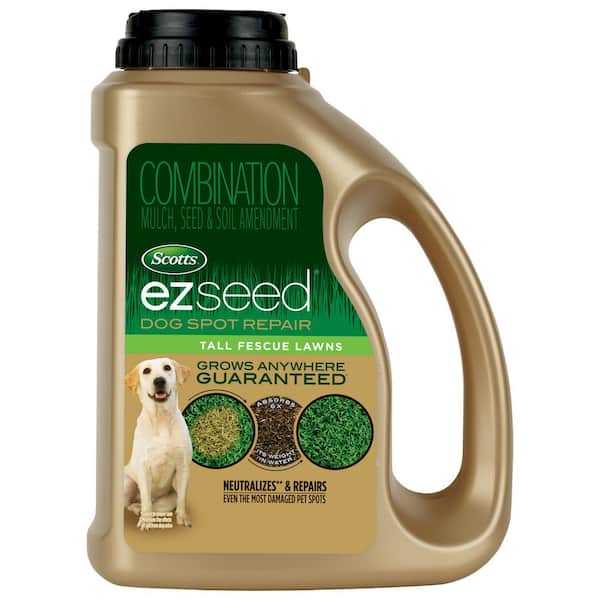
To restore your lawn after pet damage, start by removing dead grass and debris, then aerate the soil to improve seed contact. Spread quality grass seed evenly over the affected area, lightly rake to ensure good soil contact, and water thoroughly. Keep the area consistently moist until new grass establishes.
If your pet has left patches of bare or damaged grass, reseeding can bring your lawn back to life quickly. The key is to prepare the soil properly, select the right seed for your climate and grass type, and maintain consistent watering. Taking these simple steps will ensure healthy, lush grass that withstands future pet adventures.
When pets frequently dig or urinate on your lawn, it can cause unsightly patches and uneven growth. Fortunately, reseeding is an effective way to repair these areas and promote new, healthy grass. The process involves clearing away dead spots, aerating compacted soil, and planting fresh seeds that match your existing turf. Proper care and patience will soon transform your damaged lawn into a vibrant space again, ready for your furry friends to enjoy. This quick guide will help you understand the best methods to reseed damaged areas and restore your lawn’s beauty after pet mishaps.

How to Reseed Lawn After Pet Damage
Pet damage can turn your lush green lawn into a patchy, uneven space. Reseeding is a simple way to restore the health and beauty of your yard. Knowing the right steps helps you get a fresh, thick, and green lawn again after your pets have caused harm.
Understanding Pet Damage to Your Lawn
Pets often dig, pee, and play on your grass, which can cause various problems. Urine spots can create dead patches because of high nitrogen levels, while digging damages the grass roots. Over time, these issues make your lawn uneven and less appealing.
Before reseeding, it’s important to recognize the type of damage present. Check for:
- Dead patches caused by urine spots or digging
- Thinning grass where plants seem sparse
- Localized bare patches with no grass
Preparing Your Lawn for Reseeding
Remove Debris and Damaged Areas
Start by raking away dead grass, leaves, and any debris in the damaged spots. Use a garden rake or aerator to loosen the soil. This helps new grass roots penetrate easily and promotes healthy growth.
Address Soil Quality
Check your soil’s condition. If the soil is compacted, consider aerating it. Aeration allows air, water, and nutrients to reach the roots better. If the soil is very poor, mix in compost or organic matter to boost fertility.
Neutralize Pet Urine Spots
Pet urine can make soil too acidic, harming new grass. To fix this, sprinkle baking soda or lime over these areas to balance pH levels. Let it sit for a few days before reseeding.
Choosing the Right Seed for Your Lawn
Selecting the Best Grass Type
Different grass types suit various climates and pet activities. For high-traffic lawns with pets, consider resilient varieties like Kentucky bluegrass, ryegrass, or tall fescue. These grasses are more tolerant of wear and damage.
Opting for Pet-Friendly Seeds
Some grass seeds are better for pets because they resist urine damage. Look for drought-resistant, fast-germinating seeds that are also non-toxic and safe for pet areas.
Steps for Reseeding Your Lawn
Applying the Seed
Spread the chosen grass seed evenly over the prepared soil. Use a seed spreader for consistency. Apply slightly more seed than necessary, as some will not germinate.
Covering the Seeds
Lightly rake the seeds into the soil or cover them with a thin layer of compost or topsoil. This ensures good seed-to-soil contact, which is crucial for germination.
Watering Properly
Keep the soil consistently moist but not waterlogged. Water lightly multiple times a day until the seeds germinate, usually within 7-14 days. Proper moisture encourages strong root development.
Controlling Pet Access During Germination
Limit your pets’ access to the reseeded areas until the new grass has established. Using barriers or fencing can help protect young seedlings from digging or trampling.
Maintaining Your Newly Reseeded Lawn
Regular Watering and Care
Continue to water the lawn regularly, especially during dry spells. Avoid overwatering, which can lead to disease and shallow roots. Aim for deep, infrequent watering for healthy growth.
Mowing and Lawn Maintenance
Allow the new grass to reach about 3 inches in height before mowing. Use sharp blades to prevent tearing. Mow at a higher setting to promote root growth and shade out weeds.
Fertilizing Tips
Apply a balanced, slow-release fertilizer 4 to 6 weeks after reseeding. This gives your lawn nutrients for robust growth. Avoid over-fertilizing, which can encourage pet urine damage.
Preventing Future Pet Damage
Training Your Pets
Train your pets to avoid certain areas with commands or by providing designated spots for digging and potty breaks. Positive reinforcement can help deter damage.
Creating a Pet-Friendly Zone
Designate specific areas for your pets to play and urinate. Using gravel, mulch, or artificial turf in these zones can protect your main lawn from frequent damage.
Using Lawn Protectors and Barriers
Install fences or plant barriers around vulnerable spots. You can also use lawn protectors or pet-proof fencing that prevents digging and trampling.
Additional Tips for a Lush and Resilient Lawn
- Overseed annually to maintain thick grass coverage and fill in bare patches.
- Reduce pet urine concentration by watering down spots immediately after your pet urinates.
- Maintain proper lawn height to provide shade and protect against weeds and pests.
- Regularly inspect your lawn for new damage and address it promptly.
Using Lawn Repair Products
Consider using soil amendments, such as soil conditioner or starter fertilizer, to enhance seed germination. These products provide essential nutrients and improve soil structure.
Consulting Professionals
If damage is extensive or persistent, seek advice from lawn care experts. They can recommend specific treatments or soil amendments suited to your yard’s needs.
Reseeding your lawn after pet damage takes patience and a bit of effort. With proper preparation, the right seed, and ongoing maintenance, you can restore your yard to a beautiful, healthy space. Focus on protection strategies to keep it looking great despite your furry friends’ activities.
Fastest way to repair dog pee stains on any lawn
Frequently Asked Questions
What steps should I take before reseeding my lawn after pet damage?
Begin by removing any remaining pet waste, debris, and dead grass to create a clean surface. Loosen the soil with a rake or tiller to improve seed contact and soil aeration. Consider testing the soil pH and adding necessary amendments to promote healthy grass growth. Water the area lightly to settle the soil before applying new seed.
How can I prepare the soil to ensure better germination after pet damage?
Improve soil quality by aerating and leveling the area to promote even seed-to-soil contact. If the soil is compacted, use a garden fork or aerator to make holes that allow roots to penetrate easily. Incorporate compost or topsoil to enrich the area, which provides essential nutrients for new grass seedlings.
What type of grass seed works best for repairing pet damage in a lawn?
Select a grass seed that matches your existing lawn’s grass type and suits your local climate conditions. For high-traffic areas, choose a durable, wear-resistant variety like Kentucky bluegrass, tall fescue, or perennial ryegrass. These grasses tend to recover quickly and withstand pet activity better than others.
How should I water the lawn after reseeding to promote healthy growth?
Keep the soil consistently moist by watering gently several times a day until the grass seedlings develop a strong root system. Avoid overwatering, which can lead to fungal issues. Once the grass begins to establish, gradually reduce watering frequency while ensuring the soil remains moist enough for healthy growth.
What maintenance practices can help my lawn recover faster from pet damage?
Maintain regular mowing at the recommended height for your grass type to encourage strong growth. Avoid heavy foot traffic on the newly seeded area until the grass is well established. Fertilize the lawn with a balanced, slow-release fertilizer to provide nutrients that support recovery. Also, address any ongoing pet issues to prevent repeated damage.
Final Thoughts
To reseed lawn after pet damage, first remove all the damaged grass and debris. Loosen the soil with a rake to improve seed-to-soil contact. Use a high-quality grass seed suited to your climate for best results. Water the area regularly to keep the soil moist and encourage growth. Consistent care will help your lawn recover quickly and look lush again.