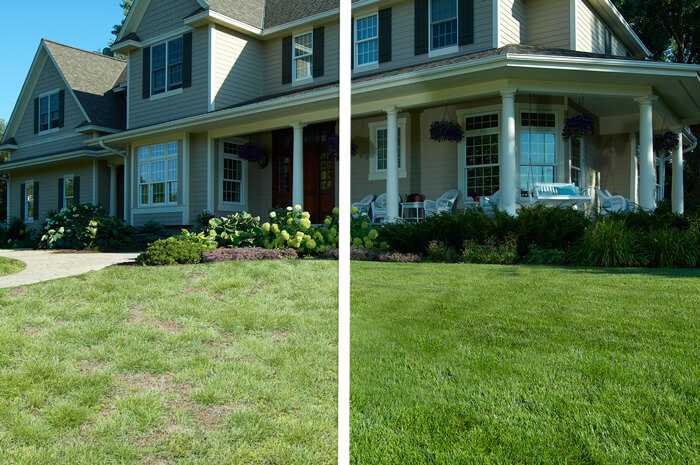
To revive dead grass areas, start by removing the unhealthy patches, aerating the soil, and reseeding with healthy grass varieties. Regular watering, fertilizing, and proper lawn maintenance can help restore your yard to its lush, green glory.
Addressing dead grass spots at home involves assessing the damage, preparing the soil, and reseeding or sod installation. With a few simple steps, you can transform your patchy lawn into a vibrant and inviting outdoor space. Proper care and routine maintenance are key to preventing future dead spots and keeping your grass healthy year-round.
If you notice patches of dead grass in your yard, don’t worry—repairing it is easier than you might think. Start by identifying the cause, such as disease, pests, or overuse, then carefully clear away the dead grass. Aerate the soil to improve air and water flow, and reseed with a suitable grass type. Keep the area well-watered and fertilized to help the new grass establish quickly. With patience and consistent care, your lawn can bounce back beautifully and look great again.

How to repair dead grass areas at home
Understanding Why Grass Turns Dead
Dead grass areas can be caused by many factors. Common reasons include overexposure to sunlight, inadequate watering, compacted soil, pests, or diseases. Recognizing the cause helps you choose the best way to fix the problem effectively.
Assessing the Damage
Start by inspecting the affected areas. Check if the grass is brown, patchy, or completely bald. Look for signs of pests or disease such as mold, fungi, or insects. Also, see if the soil feels hard or compacted beneath the grass.
Preparing the Area for Repair
Clear away any dead grass and debris from the affected zones. Use a rake to remove the dead material gently. This creates a clean surface that helps new grass establish better.
Testing and Improving Soil Health
Healthy soil is key to growing new grass. Use a soil test kit to determine pH levels and nutrient content. Most grasses prefer a pH around 6.0 to 7.0. Adjust the soil as necessary by adding lime to raise pH or sulfur to lower it.
Amending Soil for Better Growth
Add organic matter like compost or peat moss to enrich the soil. Mix these into the top 2 to 4 inches to improve drainage and nutrient content. This boosts the chances of successful grass regrowth.
Methods to Repair Dead Grass Areas
There are several ways to revive dead grass zones, depending on the extent of damage. Choose the method that suits your situation best.
Reseeding or Overseeding
For patches with some healthy soil, reseeding offers a simple solution. Select a seed variety compatible with your climate and existing grass. Spread the seed evenly across the area and cover lightly with soil or mulch.
Sodding for Instant Results
If you want quick coverage, laying sod is ideal. Choose fresh, healthy sod rolls that match your existing lawn. Cut and fit the sod tightly into the prepared area, then water thoroughly.
Kill and Remove Weeds or Pests
Before reseeding or sodding, eliminate weeds or pests. Use a gentle herbicide if necessary, or manually remove invasive plants. This prevents competition for nutrients and ensures healthy grass growth.
Watering Tips for New Grass
Proper watering is crucial after repair work. Keep the soil consistently moist but not soaked. Water early in the morning or late in the evening to minimize evaporation. Aim for about 1 inch of water per week, adjusting based on climate.
Maintaining and Caring for Your Repaired Lawn
Once your new grass starts to grow, maintain regular care. Mow at the appropriate height for your grass type, usually around 2 to 3 inches. Use fertilizer sparingly, focusing on slow-release formulas.
Fertilization Schedule
Apply a balanced fertilizer every 6 to 8 weeks during the growing season. Look for products with nitrogen, phosphorus, and potassium in appropriate ratios. Avoid over-fertilizing, which can damage new roots.
Preventing Future Dead Zones
Maintain a healthy lawn by watering deeply, aerating soil regularly, and avoiding excessive foot traffic. Proper mowing height and timely fertilization help prevent drought stress and disease susceptibility.
Additional Tips for Successful Grass Repair
– Conduct soil testing annually to monitor pH and nutrient levels.
– Avoid walking on new grass until it is well-established.
– Use organic mulches to retain moisture and protect seedlings.
– Keep weeds under control to prevent competition with new grass.
Related Topics to Consider
- Best grass types for different climates
- How to prevent pests from damaging your lawn
- Benefits of aerating your lawn regularly
- Using natural fertilizers for a healthy yard
Tools and Materials You Will Need
| Item | Purpose |
|---|---|
| Garden rake | Remove dead grass and debris |
| Soil test kit | Determine soil pH and nutrients |
| Compost or organic matter | Improve soil health |
| Grass seed or sod | Replant dead areas |
| Watering hose or sprinkler | Provide necessary moisture |
| Fertilizer | Promote healthy growth |
Step-by-Step Summary
- Inspect and assess the dead grass areas.
- Clear away dead material and debris.
- Test and amend soil as needed.
- Choose the repair method—reseeding, sodding, or both.
- Plant new grass and ensure adequate watering.
- Maintain the lawn regularly to encourage healthy growth.
By following these steps carefully, you can restore your lawn and keep it looking lush and green. Regular maintenance and early attention to problems help prevent future dead zones and keep your yard vibrant year-round.
Frequently Asked Questions
What steps can I take to prepare the soil before reseeding dead grass areas?
Start by removing any dead grass and debris from the affected area. Loosen the soil using a garden fork or tiller to improve aeration and drainage. Check the soil’s pH level and amend it if necessary to create optimal conditions for new grass growth. Adding compost or fresh topsoil can also help provide essential nutrients and promote healthy root development.
How do I choose the right type of grass to replant in dead areas?
Select a grass variety that suits your climate, soil type, and sunlight exposure. Cool-season grasses like Kentucky bluegrass or fescue thrive in northern regions, while warm-season grasses such as Bermuda or zoysia work better in southern climates. Consider factors like foot traffic and maintenance requirements to ensure the new grass establishes well and remains healthy over time.
What is the best time of year to repair and reseed dead grass patches?
The ideal time to repair dead grass areas depends on the grass type. For cool-season grasses, early fall or early spring offers optimal conditions for seed germination and growth. Warm-season grasses should be reseeded late spring to early summer when temperatures are consistently warm. Timing your efforts correctly increases the chances of successful, long-lasting repair.
How can I ensure the new grass develops strong roots after reseeding?
Water the area regularly to keep the soil consistently moist until the grass establishes. Avoid overwatering, which can lead to disease, and ensure proper drainage to prevent waterlogging. Mow the new grass at the recommended height and avoid heavy foot traffic during the initial growth phase. Applying a light fertilizer can also support healthy development.
Final Thoughts
Pour réparer les zones de pelouse morte à la maison, commencez par enlever la herbe endommagée et préparez le sol. Ajoutez de l’engrais pour revitaliser la terre et favorisez la croissance. Ensuite, semez de nouvelles graines de gazon uniformément sur la zone préparée. Arrosez régulièrement pour maintenir le sol humide. En suivant ces étapes simples, vous pouvez rapidement revitaliser votre pelouse. How to repair dead grass areas at home devient maintenant une tâche faisable pour tout propriétaire soucieux de son jardin.