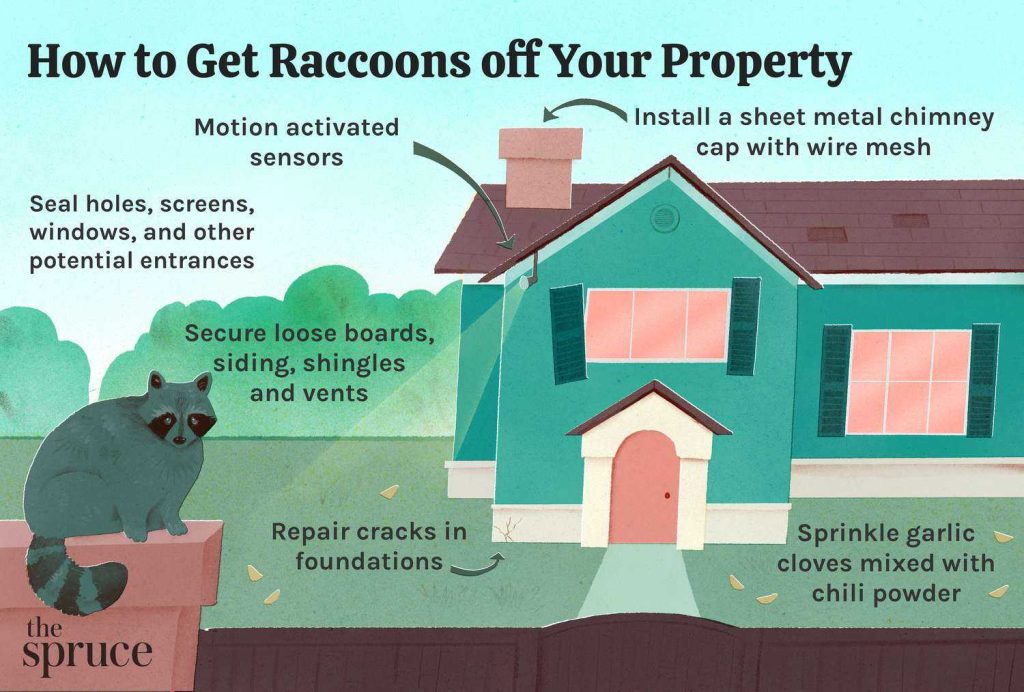
Keeping raccoons out of your yard can be a challenge, but with some simple strategies, you can effectively deter them. Start by securing garbage cans with tight-fitting lids and storing pet food indoors. Creating barriers like fences and using motion-activated lights can also help scare them away. Additionally, consider using natural repellents like vinegar or predator urine to make your yard less inviting. Regularly cleaning up any fallen fruit or debris will further reduce the chances of attracting these curious critters. By implementing these tips, you’ll create an environment that discourages raccoons from making your yard their playground.
Raccoons are clever and resourceful animals, often drawn to suburban areas in search of food. To keep your yard raccoon-free, it’s essential to understand their behavior and habits. These nocturnal creatures are known for their dexterity and intelligence, which makes traditional deterrents sometimes ineffective. However, by combining physical barriers with scent-based repellents and good maintenance practices, you can significantly reduce the chances of an unwelcome visit. Whether it’s securing your trash or removing tempting food sources, taking proactive steps will go a long way in ensuring your yard remains a raccoon-free zone. Let’s explore some of the best techniques to keep these furry intruders at bay.

“`html
How To Keep Raccoons Out Of Yard
Raccoons are clever little creatures. While they may look cute, they can become a nuisance when they invade your yard. Let’s explore how to keep them away while ensuring your outdoor space remains inviting for you and your family.
Understanding Raccoon Behavior
Before diving into solutions, it helps to know why raccoons are attracted to your yard. These animals are nocturnal and love to forage for food. They are especially drawn to areas where they can find easy meals. Here are some common reasons they might visit:
- Access to food sources like pet food, birdseed, and trash.
- Potential shelter in sheds, garages, or under decks.
- Water sources such as birdbaths or standing ponds.
By understanding what draws them in, you can take effective steps to keep your yard raccoon-free.
Securing Food Sources
Food is the primary reason raccoons venture into yards. By eliminating food sources, you can make your yard less appealing. Here are some tips:
Pet Food
Store pet food indoors or bring bowls inside at night. Leaving food out can attract raccoons and other wildlife.
Garbage Cans
Use raccoon-proof garbage cans. Ensure lids are tightly closed or invest in containers with locks. This makes it harder for them to get in.
Bird Feeders
Consider using raccoon-proof bird feeders. Hanging feeders from poles can also help keep them out of reach.
Eliminating Shelter Options
Raccoons are great at finding cozy spots to settle in. Check your yard for potential shelters and take action:
Sheds and Garages
Regularly inspect your shed and garage for openings. Seal any gaps or holes where raccoons could sneak in.
Decks and Patios
Check under decks and patios. Use lattice or boards to block easy access.
Dense Shrubs
Trim back dense shrubs and trees. This reduces places where raccoons could hide or nest.
Creating a Less Welcoming Environment
Making your yard less appealing to raccoons can be an effective deterrent. Here’s how:
Motion-Activated Lights
Install motion-activated lights around your yard. The sudden light can startle raccoons and keep them away.
Noise Deterrents
Use noise-making devices such as wind chimes or ultrasonic repellents. These can create an uninviting atmosphere.
Smell Deterrents
Raccoons dislike certain scents. Consider using ammonia, vinegar, or commercial raccoon repellents. Spray around the perimeter of your yard to deter them.
Fencing Solutions
Fencing can be an effective way to keep raccoons out. Here are some ideas to consider:
Height and Depth
Build a fence at least four feet high, with an additional foot buried underground. This prevents raccoons from digging underneath.
Material Choice
Use sturdy materials like wood or metal. Chain-link fences can also work, but make sure they are tall enough.
Install an Overhang
Adding an overhang on top of the fence can prevent raccoons from climbing over.
Professional Help
If you continue to have issues, it might be time to call in the professionals. Wildlife control specialists can safely remove raccoons from your yard. They can also provide tailored advice on preventing future visits. Here are some benefits:
- Expert knowledge on raccoon behavior.
- Safe removal without harming wildlife.
- Long-term prevention strategies tailored to your yard.
Using Traps Wisely
If you decide to use traps, be cautious. Here are some things to remember:
Humane Traps
Always use humane traps. This ensures the safe capture and release of raccoons.
Location Matters
Place traps near areas where you’ve seen raccoon activity. This increases the chances of a successful catch.
Check Local Laws
Before setting traps, check your local wildlife regulations. Some areas have specific rules about trapping and releasing animals.
Monitoring for Problems
Keeping an eye on your yard is essential. Regular monitoring can help you identify problems early. Here are some things to observe:
- Look for signs of raccoon activity such as footprints, droppings, or overturned trash.
- Listen for unusual noises at night, which could indicate raccoon presence.
- Monitor your garden for signs of digging or disturbances.
Taking note of these signs can help you react quickly.
Educating Your Family
Make sure everyone in your household knows how to keep the yard free from raccoons. Here are some tips:
Teach Kids
Explain to children the importance of not leaving food outside. Encourage them to help bring in pet food at night.
Involve Everyone
Assign family members specific tasks to help maintain the yard. This could include taking out the trash securely or checking for openings around the home.
Community Awareness
Sometimes, raccoon issues can extend beyond your yard. Engage with your neighbors about wildlife control. Here’s how:
- Share tips on keeping yards raccoon-free.
- Discuss community efforts for trapping and removing wildlife.
- Organize cleanup days to ensure the neighborhood is tidy and less appealing to animals.
Working together can lead to better results for everyone.
Final Tips for Raccoon-Proofing Your Yard
Keeping raccoons away requires consistency and vigilance. Here are some last-minute strategies:
- Keep your yard clean and free of debris.
- Secure compost bins to prevent food access.
- Regularly check your property for openings and potential food sources.
By taking these steps, you can create an environment less appealing to raccoons.
Keeping raccoons out of your yard is possible with the right strategies. By securing food sources, eliminating shelter, and creating an unwelcoming environment, you can enjoy your outdoor space without the hassle of raccoon visits. Remember, consistent monitoring and community involvement can go a long way in keeping these clever critters at bay. With patience and effort, you can maintain a peaceful and raccoon-free yard.
“`
How to Keep Raccoons Out of Your Yard – (Quick & Easy)
Frequently Asked Questions
“`html
What are effective barriers to prevent raccoons from entering my yard?
To effectively keep raccoons out of your yard, consider installing a sturdy fence that is at least four to six feet high, with the bottom buried several inches underground to prevent digging. You can also use fences with a downward angle at the top to deter climbing. Additionally, employing motion-activated lights can scare away nocturnal visitors like raccoons.
How can I manage food sources that attract raccoons?
Raccoons are attracted to food sources, so it’s important to secure trash bins with tight-fitting lids and refrain from leaving pet food outside overnight. Compost heaps can also attract them, so ensure these are enclosed and use raccoon-proof containers if possible. Clean up any fallen fruit from trees to minimize attraction.
Are there any natural repellents that deter raccoons?
Yes, certain natural repellents can help keep raccoons away. You can use a mixture of water and cayenne pepper or sprinkle crushed garlic around your yard. The strong odor of these substances often repels raccoons. Additionally, some homeowners have found success with using predator urine, which can signal danger to raccoons.
What should I do if I spot raccoons in my yard?
If you see raccoons in your yard, avoid approaching them as they may feel threatened. Instead, try to scare them away by making loud noises or turning on outdoor lights. If they return frequently, consider contacting a local wildlife control specialist to remove them safely and humanely.
How can landscaping choices influence raccoon activity in my yard?
Your landscaping can either attract or deter raccoons. Keep your yard tidy by trimming overgrown shrubs and removing dense brush where raccoons can hide. Consider planting thorny or prickly shrubs around the perimeter, as these can act as a natural barrier. Additionally, avoid using bird feeders, as spilled seeds can draw raccoons into your space.
“`
Final Thoughts
To keep raccoons out of your yard, focus on eliminating food sources and securing potential shelters. Properly store trash in raccoon-proof containers, and avoid leaving pet food outside overnight.
You can also install fencing that extends underground to prevent digging. Regularly check your yard for any openings or items that could attract raccoons.
By following these steps, you significantly reduce the chances of raccoons invading your space. Remember, knowing how to keep raccoons out of yard is essential for maintaining a peaceful environment at home.