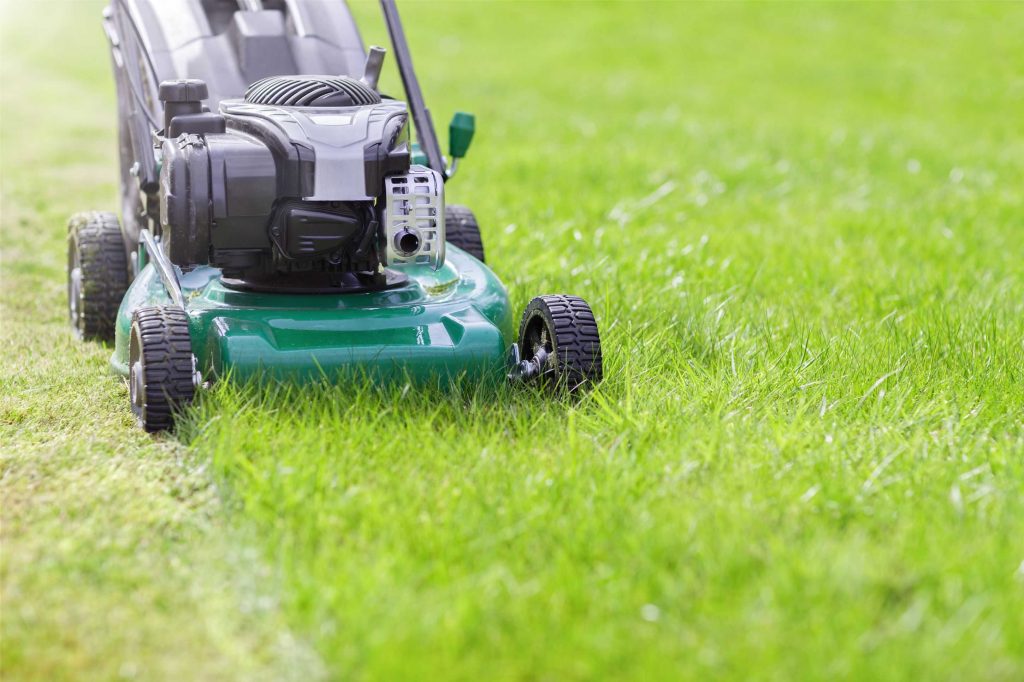
Summer mowing typically requires a different approach than spring mowing, mainly because of the changing grass growth patterns and weather conditions. While spring mowing encourages lush, healthy growth, summer mowing focuses on maintaining a healthy, drought-resistant lawn by adjusting height and frequency. Knowing these differences can help you keep your lawn lush and vibrant all season long.
In short, summer mowing often involves cutting the grass a little higher to protect roots from intense heat and drought, while spring mowing is more frequent and precise to promote dense, vigorous growth. The key is to adapt your mowing habits to seasonal needs for the best lawn health year-round.
When the seasons shift from spring to summer, many homeowners wonder if their lawn care routines should change. Mowing might seem straightforward, but subtle differences can significantly impact your lawn’s health and appearance. Spring lawns are usually growing rapidly, requiring frequent mowing to keep the grass tidy and to prevent weeds from taking hold. As summer arrives, the focus shifts to protecting your grass from the harsh sun and dry spells; you might need to raise the mower blade or cut less frequently to avoid stressing the turf. Adjusting your mowing schedule and height during these seasons isn’t just about appearance—it’s about fostering a resilient, lush lawn that can withstand the challenges of summer heat. Understanding these seasonal differences helps you maintain a healthy yard and enjoy beautiful green spaces all year.

Does Summer Mowing Differ from Spring Mowing?
Understanding the Seasons and Their Impact on Grass Growth
Spring and summer are quite different when it comes to grass health and growth patterns. During spring, grass begins to grow quickly after winter dormancy, thanks to increasing temperatures and more sunlight. In contrast, summer often brings warmer weather, which can slow down growth or lead to drought stress if not managed properly. Knowing these seasonal differences helps homeowners adjust their mowing habits effectively.
The Role of Temperature and Daylight in Mowing
Temperature plays a vital role in how frequently you need to mow. During spring, cooler temperatures encourage lush, rapid growth, so frequent mowing is necessary to keep lawns tidy. Summer temperatures can be higher, causing grass to grow more slowly or even become dormant, which means less frequent mowing. Additionally, longer daylight hours in summer mean grass has extended growth periods, but the heat can also cause stress, requiring special mowing techniques.
Grass Types and Their Seasonal Needs
Different grass types respond differently to seasonal changes. Cool-season grasses like Kentucky bluegrass and fescue grow actively in spring and fall but slow down in summer. Warm-season grasses such as Bermuda and St. Augustine thrive in summer and may need different mowing schedules. Understanding your turf type helps determine whether you should mow more or less often during each season.
Spring Mowing Practices
Spring mowing involves setting your mower blades to a higher setting to avoid cutting grass too short. This encourages strong root development and prevents stress from early season growth. Mowing frequency in spring often increases as the grass grows rapidly, and gardeners should watch for the first signs of grass reaching the recommended height of about 2.5 to 3 inches.
Important Tips for Spring Mowing
- Gradually lower mower blades as grass height decreases
- Remove no more than one-third of the grass height at a time
- Keep mower blades sharp for clean cuts and healthier grass
- Fertilize lightly to promote vigorous spring growth
Summer Mowing Techniques
In summer, mowing focuses on maintaining healthy, drought-resistant grass. Since heat can stress lawns, raising mower blades to a height of about 3 inches helps shade roots and reduces water loss. Less frequent mowing may be necessary if growth slows, but consistent height helps prevent weeds and disease.
Key Tips for Summer Mowing
- Set blades higher to protect against heat stress
- Reduce mowing frequency if growth slows
- Never cut more than one-third of the grass height at a time
- Water regularly and morning is best for watering after mowing
Effects of Mowing Height on Lawn Health
Maintaining the right grass height is crucial during both seasons. In spring, cutting too short can weaken young shoots, while in summer, higher mowing height helps conserve moisture and keeps the grass cool. Proper mowing height also discourages weeds and promotes thicker, healthier turf.
Comparing Spring and Summer Mowing Heights
| Season | Recommended Mowing Height | Purpose |
|---|---|---|
| Spring | 2.5 to 3 inches | Promotes growth, prevents stress |
| Summer | 3 to 4 inches | Shades soil, conserves moisture |
Dealing with Growth Variations and Stress
Rapid growth in spring means lawns need frequent mowing to avoid cutting grass too short. During summer, grass growth may slow or become patchy due to heat and drought. Adjusting mowing schedules accordingly helps reduce stress and keeps the lawn resilient.
Signs of Stress and How to Address Them
- Yellowing or browning grass indicates drought stress or heat damage
- Reduce mowing height and increase watering frequency
- Avoid mowing during the hottest parts of the day
- Apply appropriate fertilizers to boost recovery
Additional Lawn Care Considerations for Each Season
Proper mowing is only part of seasonal lawn care. Spring and summer also require attention to watering, fertilization, and pest control. Combining these practices with tailored mowing schedules leads to a healthier and more attractive lawn year-round.
Watering Strategies
- Spring: Water once or twice weekly to encourage growth
- Summer: Deep, infrequent watering helps roots grow deep
- Avoid watering during the hottest part of the day to prevent evaporation
Fertilization Tips
- Spring: Use a balanced fertilizer to promote growth
- Summer: Switch to a slow-release fertilizer suited for hot weather
- Always follow recommended application rates to avoid lawn damage
Pest and Disease Prevention
During warmer months, lawns are more susceptible to pests and diseases. Proper mowing height, good watering practices, and regular inspections are essential. Removing excess grass height can prevent fungal issues while discouraging pests.
Final Thoughts on Mowing in Different Seasons
Mowing strategies must adapt to the season to ensure a healthy lawn. Spring mowing promotes vigorous growth, while summer mowing helps conserve moisture and prevent stress. Recognizing the unique needs of your grass and adjusting your routine accordingly will keep your lawn lush and vibrant throughout the year.
Mulching vs Bagging vs Side Discharge – Which is Best & Why to help your Lawn
Frequently Asked Questions
How should mowing height be adjusted for summer compared to spring?
During summer, you should set your mower to a slightly higher setting to protect the grass from stress caused by heat and drought. In spring, mowing at a lower height promotes healthy growth and helps the lawn recover from winter. Adjusting the mowing height according to seasonal needs encourages a resilient and lush lawn.
What differences in mowing frequency are typical between spring and summer?
In spring, lawns often require more frequent mowing as grass growth accelerates due to increasing temperatures and longer daylight hours. Conversely, in summer, growth may slow down because of heat and dry conditions, so mowing frequency can be reduced without compromising the health of the grass.
Are there specific mowing techniques to consider during summer months?
Yes, in summer, it’s best to avoid cutting the grass too short, which can stress the turf and make it more susceptible to drought. Use a sharp blade for clean cuts and mow during cooler parts of the day, such as early morning or late evening, to minimize heat stress on your lawn.
How does grass type influence mowing practices in different seasons?
Different grass types respond distinctively to seasonal changes. Cool-season grasses like ryegrass and fescue thrive with regular mowing in spring and fall, while warm-season grasses like Bermuda or zoysia need careful mowing during summer to prevent stress. Knowing your grass type helps tailor mowing practices for optimal health year-round.
Should irrigation impact mowing routines in summer versus spring?
Yes, adequate watering is essential during summer to keep the grass healthy. When the lawn receives sufficient moisture, mowing can be performed more effectively without stressing the grass. In spring, as rain is usually more frequent, less irrigation may be needed, allowing for a different mowing schedule that aligns with the growth cycle and moisture availability.
Final Thoughts
Summer mowing often requires shorter cuts to handle increased growth, while spring mowing encourages deeper cuts to promote healthy growth. The grass’s growth rate and moisture levels influence timing and height adjustments.
Does summer mowing differ from spring mowing? Yes, it does, as each season demands different mowing strategies to maintain a healthy lawn. Adjust your routine accordingly to ensure your grass stays vibrant and well-kept throughout the year.