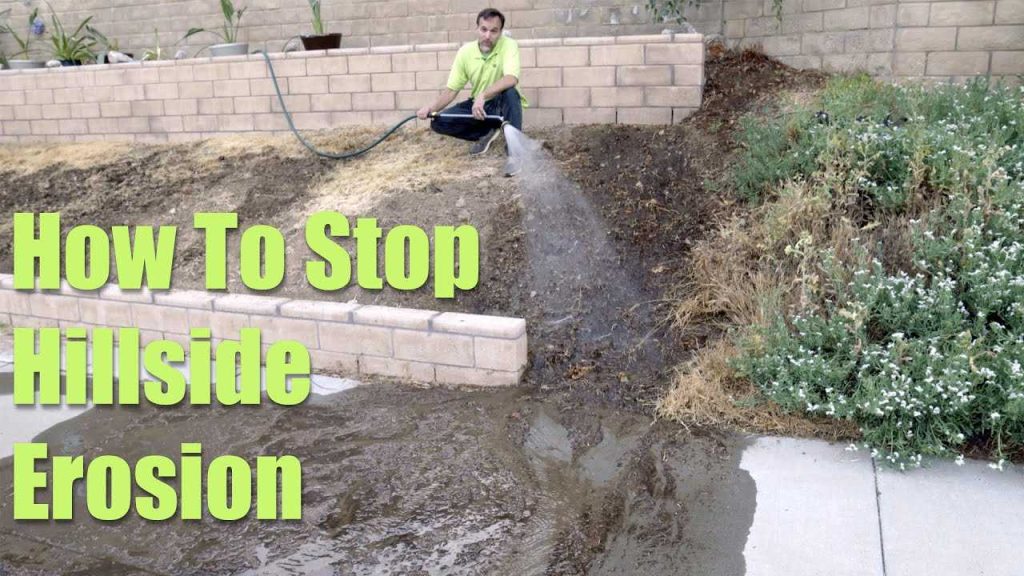
To prevent soil erosion in your lawn, the key is to strengthen the soil with grass roots, use mulch, and establish proper drainage. Incorporating these practices helps keep your lawn healthy and stable. Keep reading to discover effective ways to safeguard your yard from erosion and maintain a lush, resilient lawn.
Soil erosion in lawns can be a frustrating issue, but it’s entirely preventable with the right approach. Implementing strategies like planting deep-rooted grasses, creating contouring landscapes, and improving drainage can greatly reduce soil loss. These methods not only protect your soil but also promote a greener, more beautiful lawn.
A lawn vulnerable to erosion can quickly turn into a muddy, uneven mess, especially after heavy rain or strong winds. Thankfully, there are simple and practical steps you can take to prevent this from happening. By understanding the causes of soil erosion and applying effective techniques, you can ensure your lawn remains lush, healthy, and stable year-round. Whether you’re dealing with slopes or flat surfaces, these tips will help you maintain a resistente and attractive outdoor space.

How to Prevent Soil Erosion in Lawn
Understanding Soil Erosion in Lawns
Soil erosion happens when the top layer of soil is worn away by water, wind, or foot traffic. It often occurs on sloped lawns or areas with loose soil. Preventing erosion keeps the soil healthy and your lawn lush and green.
The Impact of Soil Erosion on Your Lawn
Erosion can lead to uneven ground, reduced soil fertility, and damaged grass roots. It may cause bare patches that are difficult to repair. Protecting your soil helps maintain the beauty and health of your lawn.
Key Factors Contributing to Soil Erosion
- Steep slopes that increase water runoff
- Insufficient ground cover or plant roots
- Heavy rain or irrigation that washes away soil
- Foot traffic that disturbs the soil surface
How to Prevent Soil Erosion in Lawn
1. Maintain Healthy Vegetation
Plant dense grass or ground cover to protect the soil from being washed or blown away. Roots hold soil particles together, making erosion less likely.
Choosing the Right Plants
Select native grasses and plants that are adapted to your climate and soil type. Their deep roots improve soil stability.
Proper Lawn Maintenance
Regular mowing at the correct height encourages strong root growth. Avoid cutting grass too short, which can weaken the plants and leave soil exposed.
2. Use Mulch and Ground Cover
Apply mulch around plants and in bare spots to shield the soil from rain impact. Organic mulches like wood chips or straw are especially effective.
Benefits of Mulching
Mulch reduces surface runoff, retains moisture, and adds nutrients to the soil. It also discourages weeds that compete with grass for resources.
3. Implement Erosion Control Structures
Create physical barriers such as retaining walls, terraces, or silt fences to slow water flow and prevent soil from washing away.
Building Terraces
Terraces break long slopes into smaller, flatter sections. They reduce runoff speed and give water time to infiltrate into the soil.
Installing Silt Fences
Silt fences are temporary barriers that trap soil particles during heavy rain or construction. They help keep soil in place.
4. Improve Drainage Systems
Proper drainage prevents water from pooling or rushing over the soil surface. Installing drains or French drains directs excess water away from vulnerable areas.
Tips for Effective Drainage
– Ensure the lawn slopes away from buildings
– Use gravel or perforated pipes to facilitate water movement
– Regularly clear debris from drainage outlets
5. Minimize Foot and Vehicle Traffic
Limit walking or driving on slopes or bare patches to prevent soil compaction and disturbance. Designate walkways or paths to guide traffic away from erosion-prone zones.
Creating Proper Pathways
Use gravel, stone, or paving materials to construct durable pathways that reduce soil disturbance while maintaining accessibility.
6. Aerate and Overseed the Lawn
Aeration involves creating small holes in the soil, improving water absorption and reducing runoff. Overseeding helps fill bare patches and strengthens grass cover.
Best Practices for Lawn Aeration and Overseeding
– Perform aeration during cool months
– Use quality seed mixes suited for your region
– Water adequately after planting to promote growth
7. Adjust Watering Practices
Water your lawn deeply but infrequently to encourage deep roots and reduce surface runoff. Avoid watering during heavy rain.
Optimal Watering Tips
– Water early in the morning
– Use sprinklers with even coverage
– Monitor soil moisture regularly
Additional Tips for Long-Term Soil Stability
– Maintain a soil pH suitable for your plants
– Add organic matter like compost to improve soil structure
– Regularly test soil health to spot issues early
Related Topics
- Choosing erosion-resistant grass varieties
- Creating rain gardens for runoff management
- Building retaining walls and terracing on slopes
- Using erosion control mats and blankets
Taking proactive steps to prevent soil erosion will help keep your lawn healthy and beautiful. Regular maintenance, strategic planting, and proper drainage create a stable environment that withstands weather challenges. Implementing erosion control methods ensures your lawn remains lush and resilient year after year.
Frequently Asked Questions
What are effective methods to stabilize slopes in a lawn area?
To stabilize slopes, you can plant ground covers and deep-rooted grasses that hold the soil in place. Installing retaining walls or terracing the landscape reduces runoff velocity and prevents erosion. Mulching the slope with organic materials helps improve soil cohesion and absorb water, further minimizing erosion risks.
How does proper watering contribute to soil erosion prevention?
Consistent and controlled watering ensures soil remains moist without becoming overly saturated. Deep watering encourages root growth, which binds the soil together. Avoid uneven watering and heavy downpours that can wash away soil, and instead, use drip irrigation or soaker hoses for even moisture distribution.
What role do plant selections play in preventing soil erosion in a lawn?
Selecting appropriate plants with strong root systems is essential for soil retention. Native grasses and ground covers with extensive roots stabilize the soil effectively. Avoid plants that grow shallow roots or require frequent trimming, as they may not provide sufficient soil anchoring over time.
How can proper lawn maintenance help reduce soil erosion?
Regularly mowing your lawn at the correct height promotes dense, healthy grass that protects the soil. Aerating the soil improves water absorption and reduces runoff. Additionally, managing weeds and avoiding compacted soil prevents vulnerabilities that erosion can exploit.
What are effective ways to manage runoff and prevent it from causing erosion?
Implementing rain gardens or creating designated areas to absorb excess water helps control runoff. Installing soil stabilizers or erosion control fabrics on vulnerable slopes secures the soil surface. Creating natural barriers such as shrubs or rocks can also slow down water flow and reduce soil displacement.
Final Thoughts
To prevent soil erosion in lawn, use planting techniques that stabilize the soil. Plant deep-rooted grasses and ground covers to hold the soil firmly in place. Proper watering and avoiding overuse of chemicals protect the soil’s integrity.
Install barriers like retaining walls or mulch to shield vulnerable areas. Regularly maintain your lawn by aerating and overseeding to promote healthy root systems.
In conclusion, taking these proactive steps helps prevent soil erosion in lawn. Consistent care ensures the soil remains stable and your lawn stays lush.