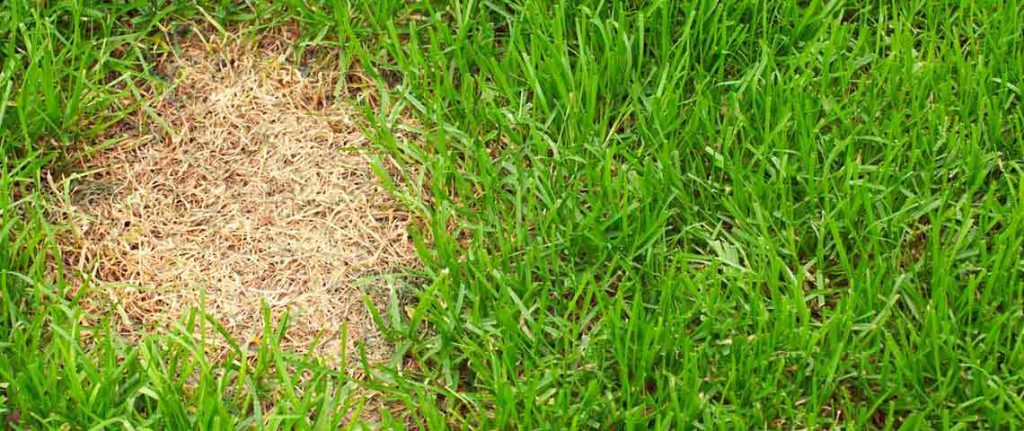
To fix bare spots caused by poor soil, start by evaluating the soil quality, enriching it with organic matter like compost, and choosing the right plants that thrive in the existing soil conditions. Proper aeration, watering, and fertilization will help establish healthy, lush growth.
If you’re dealing with patchy, bare areas in your lawn or garden, the key is to improve the soil’s health and select appropriate plants that can flourish despite its deficiencies. This involves testing the soil, adding amendments like compost or organic fertilizer, and then reseeding or planting. With patience and proper care, those bare spots can be transformed into vibrant, lush patches that enhance your outdoor space.
Bare spots caused by poor soil are a common challenge for gardeners and homeowners alike, but they’re far from permanent. Poor soil often lacks the nutrients and structure needed for healthy plant growth, leading to patchy, unappealing areas. The good news is that you can fix these spaces with a few simple steps: improve soil quality, select suitable plants, and maintain consistent watering and fertilizing routines. Tackling these patches not only restores your lawn or garden’s beauty but also creates a healthier environment for future growth. So, whether you’re dealing with a small patch or a large area, understanding the root causes and applying proper soil improvement techniques will help you turn those bare spots into lush, thriving gardens.

How to Fix Bare Spots Caused by Poor Soil
Understanding Why Bare Spots Appear
Bare spots in your lawn or garden are often caused by poor soil quality. When soil lacks essential nutrients or proper drainage, grass or plants struggle to grow. Identifying the root cause helps you choose the right fix and restore your yard’s beauty.
Testing Your Soil First
Before fixing bare patches, it’s important to test your soil. Use a simple soil test kit or send a sample to a local extension office. This will show you the pH level and nutrient content, guiding appropriate amendments.
What Soil Tests Reveal
- pH level (acidic or alkaline)
- Levels of nutrients like nitrogen, phosphorus, and potassium
- Organic matter content
Knowing this information helps you decide whether to add lime, sulfur, or other amendments for better soil health.
Improving Soil Quality for Bare Spots
Poor soil can be fixed by enriching it with organic matter and adjusting its pH. Adding compost or peat moss increases nutrient levels and improves drainage.
Adding Organic Matter
Spread a layer of compost or well-rotted manure over the bare spots. Gently work it into the top few inches of soil with a garden fork or rake. This process boosts soil fertility and encourages healthy root growth.
Adjusting pH Levels
If your soil test shows improper pH, add lime to raise acidity or sulfur to lower alkalinity. Follow the recommended amounts from your test results for the best results.
Choosing the Right Soil Amendments
Selecting suitable amendments depends on your soil test results and plant needs. For example, if soil drains poorly, incorporate sand or perlite to increase aeration.
Common Amendments and Their Uses
| Amendment | Purpose | Application Tips |
|---|---|---|
| Compost | Adds nutrients and organic matter | Mix into topsoil before planting |
| Sand | Improves drainage in heavy clay soil | Blend thoroughly with existing soil |
| Pepet moss or peat | Retains moisture and organic material | Mix into soil for better water retention |
| Lime | Raises pH in acidic soils | Apply based on soil test recommendations |
| Sulfur | Lowers pH in alkaline soils | Distribute evenly and water thoroughly |
Reseeding or Replanting Bare Spots
Once your soil is improved, reseeding is essential to restore grass or plants. Choose the right seed or plants suitable for your climate and soil conditions.
Selecting the Correct Grass or Plants
Pick varieties compatible with your area’s sunlight, moisture, and soil type. For shady areas, opt for shade-tolerant grass. For sunny patches, select drought-resistant options.
Seeding Tips
- Rake the bare spot to loosen soil
- Spread seed evenly using a seed spreader or by hand
- Lightly cover seeds with a thin layer of soil or compost
- Water gently and keep soil consistently moist until plants establish
Using Soil Amendments During Reseeding
Mixing soil amendments into the seedbed helps ensure better germination and growth. Spread compost or fertilizer along with the seed for added nutrients.
Applying Starter Fertilizer
Use a fertilizer high in phosphorus to promote root growth. Follow package instructions for the correct amount and timing.
Watering and Maintenance
Consistent watering is vital for the success of your repair efforts. Keep the soil moist but not waterlogged to encourage healthy growth.
Watering Tips
- Water early in the morning or late in the afternoon
- Use a gentle spray or sprinkler to avoid washing away soil and seed
- Adjust watering based on weather conditions and soil moisture levels
Preventing Bare Spots in the Future
Prevent future bare patches by maintaining healthy soil throughout your yard. Regular aeration, overseeding, and fertilizing keep your lawn resilient.
Regular Lawn Care Practices
- Aerate your lawn annually to reduce soil compaction
- Apply fertilizer according to seasonal needs
- Keep soil moist and avoid drought stress
- Remove thatch buildup to allow better water and nutrient absorption
Dealing with Persistent Poor Soil Conditions
In some cases, soil issues are severe and persistent, requiring more extensive solutions. Consider replacing the soil entirely if amendments don’t work.
Soil Replacement Options
- Remove existing soil and replace it with high-quality topsoil
- Install raised beds filled with suitable soil mix
- Consult with a landscaping professional for large-scale problems
Additional Tips for Repairing Bare Spots
Patience and consistent effort are key. Combining soil improvement, proper planting, and ongoing maintenance will help you achieve a lush, healthy lawn or garden.
Monitor Progress
Check growth regularly and address any new bare patches promptly. Adjust watering and fertilizing as needed to support healthy development.
Consider Soil Testing Periodically
Regular testing helps you catch and correct soil problems early, ensuring plants always have the best environment to thrive.
By understanding and applying these steps diligently, you can effectively fix bare spots caused by poor soil, leading to a more beautiful and vibrant yard.
Frequently Asked Questions
What are effective ways to prepare the soil before reseeding bare patches?
Start by removing any dead grass or debris from the bare spots. Loosen the soil with a garden fork or rake to improve aeration and drainage. Mix in organic compost or topsoil to enrich the soil, providing nutrients that help grass roots establish. Finally, level the area to ensure even seed coverage and proper water absorption.
How can I choose the right grass seed for areas with poor soil?
Select grass varieties that are tolerant of low fertility and poor drainage conditions, such as certain types of fescue or native grasses. These species are more adaptable and require less soil amendment. Check your regional climate and soil conditions to pick a seed that will thrive in your specific environment, increasing the chances of successful growth.
What steps should I take to improve soil health after reseeding?
Regularly water the new grass patches to keep the soil moist, especially during dry periods. Apply a balanced fertilizer suited for your grass type to promote healthy growth. Aerate the soil periodically to reduce compaction, and add organic matter over time to gradually improve soil structure and fertility. These efforts create a more supportive environment for grass roots to develop fully.
Final Thoughts
Pour réparer les zones dégarnies causées par un sol pauvre, commencez par enlever la terre dénudée. Ajoutez un mélange de compost et de terre enrichie pour améliorer la qualité du sol. Ensuite, semez ou plantez la végétation adaptée à votre climat. En suivant ces étapes, vous pouvez efficacement corriger les zones dégarnies et assurer une croissance saine.
How to fix bare spots caused by poor soil, il est essentiel d’améliorer la fertilité du sol et d’utiliser des végétaux adaptés. En adoptant ces méthodes, vous donnerez à votre pelouse ou à votre jardin une nouvelle vie.