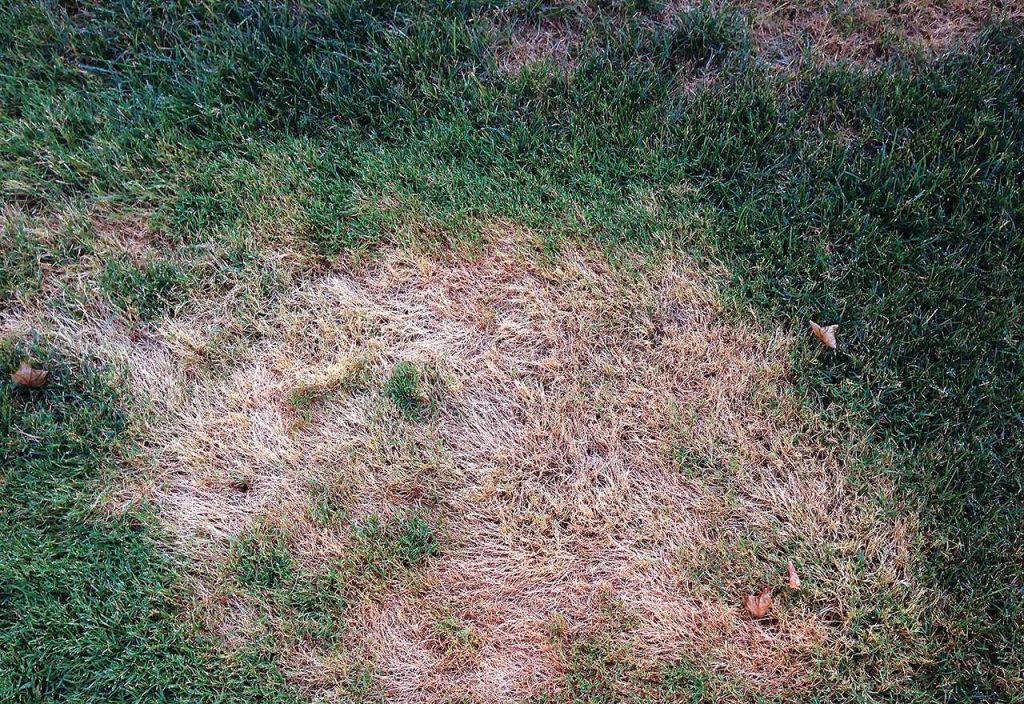
To effectively prevent creeping bentgrass from taking over your lawn, start by maintaining healthy turf through proper mowing, watering, and fertilization. Additionally, using a sturdy edging barrier and overseeding with competitive grass types can help control its spread. Regular monitoring and prompt removal of unwanted bentgrass patches are key to keeping your lawn looking pristine.
Creeping bentgrass can quickly invade your yard if not managed, but with strategic lawn care practices, you can prevent its spread. Focus on strengthening your existing grass, controlling moisture levels, and physically blocking its growth zones. By staying vigilant and proactive, you can maintain a lush, weed-free lawn that stands up to creeping bentgrass’s relentless spread.
If you’re battling creeping bentgrass, don’t worry—there are straightforward steps to keep it in check. Proper lawn maintenance, physical barriers, and vigilant monitoring are your best tools to stop its invasion before it takes over your yard.

How to Prevent Creeping Bentgrass
Creeping bentgrass is a common grass type used mainly on golf courses and lawns because of its lush appearance. However, it can become invasive if not controlled properly. Knowing how to prevent creeping bentgrass from spreading is essential for maintaining a healthy and well-manicured landscape.
Understanding Creeping Bentgrass and Its Growth Habits
Creeping bentgrass spreads mainly through stolons—above-ground runners that root at nodes. It also produces small, fine roots underground. This fast spreading nature helps it dominate areas quickly, which can be beneficial or problematic.
Because of its aggressive growth, creeping bentgrass often outcompetes native plants and other lawn grasses. It is important to recognize its signs early to prevent it from taking over your landscape.
Proper Lawn Maintenance as a Control Method
Regular lawn care is key to keeping creeping bentgrass in check. Proper mowing, watering, and fertilization help maintain balance and discourage its overgrowth.
Regular Mowing
Mowing at the correct height, usually around 0.5 to 1 inch, prevents creeping bentgrass from producing excess stolons. Shorter mowing heights weaken its ability to spread.
Avoid letting the grass grow too tall, as taller grass can promote seed production and spread. Consistent mowing also helps maintain a healthy, dense turf that naturally crowds out creeping bentgrass.
Watering Practices
Deep, infrequent watering encourages deep root growth and strengthens your lawn. Shallow watering can weaken grass and create an environment suitable for creeping bentgrass to invade.
Adjust watering schedules based on weather conditions. Avoid overwatering, which can promote the spread of creeping bentgrass by moistening the soil and stolons.
Fertilization Strategies
Use balanced fertilizers to promote healthy growth of your preferred grasses. Avoid excessive nitrogen, as it can stimulate creeping bentgrass growth.
Testing your soil regularly helps determine the right fertilization levels. Proper nutrition keeps desirable grasses competitive, reducing the chance for creeping bentgrass to take hold.
Choosing the Right Grass Types for Prevention
Planting lawns with resistant grass species can naturally prevent creeping bentgrass from establishing. Select turfgrass types that are compatible with your climate and soil conditions.
Compatible Grass Varieties
- Bermudagrass
- Zoysiagrass
- Bahiagrass
These grasses tend to outcompete creeping bentgrass when properly maintained. Establishing a dense, healthy turf can limit open spaces for creeping bentgrass to invade.
Implementing Physical Barriers and Landscape Features
Barriers such as edging or physical borders can help prevent creeping bentgrass from spreading into unwanted areas. Using mulch beds or gravel can also serve as effective physical barriers.
Edge Barriers
Install hard edges around your lawn to contain creeping bentgrass. Ensure the barrier extends below ground level to prevent stolons from creeping underneath.
Landscape Design Tips
Incorporate features like pathways and plant beds to create natural boundaries. These can reduce the chance for creeping bentgrass to spread into flower beds or neighboring lawns.
Control Methods for Existing Creeping Bentgrass
If creeping bentgrass has already established, targeted control methods are necessary. Combining physical removal and selective herbicides provides the best results.
Manual Removal
Pull out creeping bentgrass clumps carefully to remove stolons and roots. Early removal prevents the grass from spreading further.
Herbicide Application
Use selective herbicides specifically designed for creeping bentgrass control. Follow manufacturer instructions carefully to avoid damaging desirable grasses.
Timing is critical—apply herbicides during active growth periods for maximum effectiveness. Repeat applications may be necessary for complete eradication.
Monitoring and Ongoing Maintenance
Regular inspection of your lawn helps catch creeping bentgrass early before it becomes a full-scale invasion. Establish a routine for checking problem areas.
Maintaining healthy turf is the best natural defense. A dense, vigorous lawn leaves less room for creeping bentgrass to settle and grow.
Environmental Conditions and Prevention
Understanding your local climate and soil conditions can inform your prevention plan. Creeping bentgrass prefers cool, moist environments, so adjusting your landscape can reduce its appeal.
Climate Considerations
If you are in a warm climate, focus on selecting grasses suited for those conditions to naturally suppress creeping bentgrass. In cooler regions, choose appropriate cool-season grasses for better control.
Soil Management
Improve drainage if your soil retains too much moisture, making it less inviting for creeping bentgrass. Aerate compacted soil to promote healthy root systems of desirable grasses.
Additional Tips for Preventing Creeping Bentgrass
Avoid over-application of fertilizers and pesticides that may weaken your lawn or promote creeping bentgrass growth. Keep lawn equipment clean to prevent spreading seeds or stolons.
Stay vigilant during periods of stress or renovation, as this can create openings for creeping bentgrass to invade. Properly overseed and renovate your lawn as needed to maintain density.
Related Topics to Explore
- Best turfgrass varieties for different climates
- Organic methods for weed and grass control
- How to identify creeping bentgrass vs. desirable grasses
- Soil testing and amendments for lawn health
By combining proper lawn care, strategic planting, physical barriers, and targeted control methods, you can effectively prevent creeping bentgrass from spreading in your landscape. Consistent maintenance will keep your lawn healthy, attractive, and free from unwanted invasions.
How to Get Rid of Creeping Bentgrass [Weed Management]
Frequently Asked Questions
What practices help to minimize creeping bentgrass spread?
Implement consistent mowing to maintain a short and even height, which discourages the spread of creeping bentgrass. Regularly remove thatch buildup with dethatching and aerating to improve air circulation and reduce areas where the grass can encroach. Additionally, apply appropriate fertilizers to promote dense turf growth, making it difficult for creeping bentgrass to establish itself in unwanted areas.
How can proper water management limit creeping bentgrass proliferation?
Provide deep, infrequent watering to encourage deep root growth and strengthen the existing grass. Avoid overwatering, which can create moist conditions favorable for creeping bentgrass expansion. Installing proper drainage systems helps prevent water accumulation, reducing the likelihood of creeping bentgrass spreading through wet conditions.
Which mowing techniques are effective in controlling creeping bentgrass growth?
Set your mower to a consistent, higher cutting height to promote vigorous growth of desirable grasses while suppressing creeping bentgrass. Regularly mowing at the correct height helps prevent creeping bentgrass from seeding and spreading. Make sure to sharpen blades frequently to achieve a clean cut that encourages healthy turf development.
What is the role of selective herbicides in managing creeping bentgrass?
Use selective herbicides that target creeping bentgrass without harming the surrounding turf. Apply these chemicals carefully according to the manufacturer’s instructions, focusing on areas where the creeping bentgrass is invasive. Regular monitoring and spot treatments can significantly reduce its presence without damaging the overall lawn or turf.
How can soil health contribute to preventing creeping bentgrass invasion?
Maintain healthy soil by testing and adjusting pH levels to optimal ranges for your turfgrass species. Incorporate organic matter and aerate regularly to improve soil structure, which supports a dense and resilient turf. Healthy, vigorous turf competes effectively against creeping bentgrass, limiting its ability to establish and spread.
Final Thoughts
To prevent creeping bentgrass, start with healthy, well-drained soil and maintain proper pH levels. Regular mowing at the recommended height minimizes stress on the grass and reduces its spread. Implementing a balanced fertilization schedule encourages strong turf growth, making it less susceptible to invasion. Consistent aeration and overseeding can also help control creeping bentgrass and keep your lawn healthy.