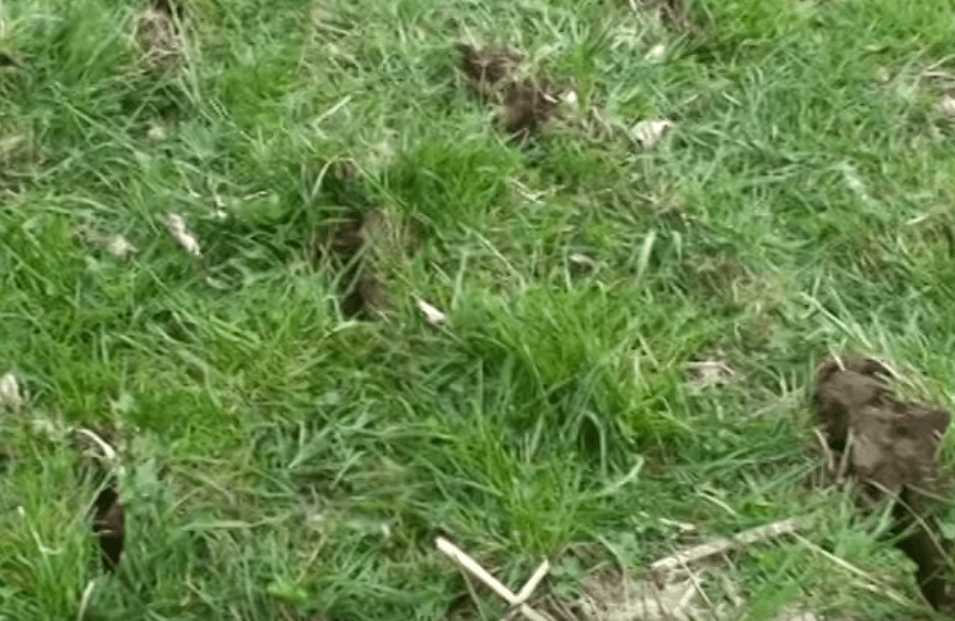
Planting ryegrass for winter pasture is a great way to keep your livestock well-fed during the colder months. To ensure successful growth, choose the right seed variety, prepare your soil properly, and plant at the optimal time. Keep the soil moist and provide good drainage to promote healthy development. With proper planning, your ryegrass will thrive, offering fresh grazing even in winter.
For quick success, select high-quality ryegrass seeds suitable for winter, prepare your soil by clearing debris and tilling to a fine tilth, then sow the seeds evenly at the recommended depth. Water regularly to keep the soil moist, and manage weeds to give your new pasture the best start. Proper timing and care are key to establishing a lush winter pasture for your animals.
Getting your ryegrass pasture ready for winter begins with understanding the right planting techniques. As temperatures drop, planting at the right time—usually late summer or early fall—ensures the grass establishes before the coldest months. Good soil preparation, including tilling and fertilizing, creates an ideal environment for rapid germination. Use a seed drill or broadcasting method to evenly spread the seeds, then lightly harrow or roll the soil to ensure good seed-to-soil contact. Maintaining consistent moisture levels and avoiding overgrazing during establishment will give your ryegrass a strong start, providing nutritious pasture throughout the winter season.

How to Plant Ryegrass for Winter Pasture
Understanding the Benefits of Ryegrass in Winter Pasture
Ryegrass is one of the best grass choices for winter pastures because it remains healthy even in cooler weather. It provides a nutritious and abundant forage source for livestock during the colder months. Its quick growth and dense roots help prevent soil erosion and improve land quality.
Selecting the Right Ryegrass Variety
Choosing the correct ryegrass type is crucial for winter pasture success. There are two main types: perennial and annual ryegrass. Perennial ryegrass lasts for several years, offering consistent pasture, while annual ryegrass is replanted every year.
- Perennial ryegrass is ideal for long-term pastures in regions with mild winters.
- Annual ryegrass suits areas with harsher winter conditions where replanting is easier each year.
Select varieties that are cold-tolerant and suited to your local climate for optimal growth and resilience.
Timing Your Planting for Best Results
Timing is key when planting ryegrass for winter pasture. You want to sow it so that it germinates and establishes before the coldest weather arrives.
- In temperate climates, aim to plant ryegrass in late summer or early fall.
- In colder regions, plan for early fall to give the grass enough time to develop root systems.
- Avoid planting too late, as seedlings may not establish fully before frost hits.
Proper timing ensures healthy growth, good ground cover, and plentiful forage during winter months.
Preparing the Soil for Ryegrass Planting
Good soil preparation sets the foundation for successful ryegrass growth. It improves seed-to-soil contact and provides nutrients necessary for germination.
Soil Testing
Start with a soil test to assess pH and nutrient levels. Ryegrass thrives best in soil with a pH between 5.5 and 7.5.
Adjusting Soil Conditions
Based on test results, amend the soil as needed:
- Add lime to raise pH if the soil is too acidic.
- Apply fertilizer rich in nitrogen, phosphorus, and potassium to promote healthy growth.
Land Clearing and Tillage
Clear debris and weeds from the field to reduce competition. Tilling the soil helps loosen it and mix in amendments, creating a fine seedbed ready for planting.
Choosing the Best Seeding Method
How you plant ryegrass impacts seedling emergence and pasture quality. There are several effective methods:
Broadcast Seeding
Scatter seeds evenly over the prepared soil surface. Lightly rake to cover the seeds lightly with soil. Use this method for large fields or existing pastures.
Drill Seeding
Use a seed drill for precise placement at a consistent depth. This method offers higher germination rates and uniform growth, making it ideal for new pastures.
Hydroseeding
Mix seeds with water and a bonding agent, then spray over the surface. This method is quick and covers large areas rapidly.
Optimal Seeding Rate and Depth
Getting the right seed quantity and planting depth is vital. For ryegrass:
- Seeding rate typically ranges from 15 to 25 pounds per acre.
- Seed should be planted at a depth of about 0.25 to 0.5 inches.
Planting too deep may hinder germination, while too shallow can expose seeds to birds or weather.
Ensuring Proper Watering and Covering
Adequate moisture is essential for seed germination. Lightly watering after planting helps seeds settle into the soil.
- Maintain consistent moisture during the first two weeks.
- If natural rainfall is insufficient, consider supplemental watering.
Cover the seeds lightly with soil or mulch to protect them from birds and wind.
Managing Weed Competition
Weeds can compete with ryegrass seedlings for nutrients and water. Control weeds prior to planting and monitor closely afterward.
- Use mulch or cover crops to suppress weed growth.
- Implement mechanical or chemical weed control as needed, following safety guidelines.
Early weed management helps ensure the ryegrass establishes strong and healthy.
Monitoring and Maintenance for Healthy Growth
Regular monitoring of the pasture is necessary for a successful ryegrass crop. Keep an eye on weed growth, pests, and disease symptoms.
Fertilization
Apply additional fertilizer if needed, especially nitrogen, to promote lush growth. Follow soil test recommendations for the precise amount.
Water Management
Maintain adequate soil moisture, especially during dry spells, to prevent drought stress. Drip irrigation or rainfall collection can be helpful tools.
Pest and Disease Control
Inspect young plants often for signs of pests or disease. Apply appropriate treatments promptly to prevent spread and crop loss.
Overseeding and Continuous Improvement
To keep your winter pasture productive, consider overseeding in late winter or early spring. This refreshes the pasture and fills in thin areas.
- Choose hardy ryegrass varieties for reseeding.
- Maintain soil fertility through regular fertilization.
Continual improvements will lead to healthier ryegrass and more reliable winter forage.
Related Topics for Better Pasture Management
Managing ryegrass for winter pasture also involves integrated practices:
- Rotational grazing to prevent overgrazing and soil compaction.
- Soil testing and amendments on a regular basis.
- Incorporating legumes for nitrogen fixation and higher protein content.
These strategies contribute to a sustainable and productive pasture system.
By following these detailed steps and tips, you’ll ensure successful planting and growth of ryegrass for winter pasture. Proper preparation, timing, seeding, and maintenance are key to providing nutritious forage for your livestock during the colder months.
Basics of Winter Grass (Rye Grass, Clover, Etc…)
Frequently Asked Questions
When is the best time to sow ryegrass for winter grazing?
The optimal time to sow ryegrass for winter pasture is in early autumn, usually between late September and early October. Planting during this period allows the grass to establish well before the colder months, ensuring a healthy and productive pasture throughout winter. Timing can vary depending on your local climate, so it’s important to consider the first expected frosts and soil conditions.
What soil preparation steps should I follow before planting ryegrass?
Start by testing your soil to determine its pH and nutrient levels. Ryegrass thrives in well-drained soils with a pH between 6.0 and 7.0. Prepare the seedbed by removing weeds, rocks, and debris, and then till or aerate the soil to loosen it. Incorporate organic matter or compost to enhance soil fertility and ensure consistent moisture retention. Proper preparation creates an ideal environment for germination and growth.
How deep should I plant ryegrass seeds for winter pasture?
Plant ryegrass seeds at a depth of about 0.5 to 1 centimeter (approximately 0.2 inches). Planting too deep can hinder germination, while planting too shallow may expose seeds to surface disturbances. After sowing, lightly cover the seeds with soil and gently firm the surface to ensure good seed-to-soil contact, which promotes uniform emergence.
What watering practices are recommended after planting ryegrass?
Maintain consistent moisture in the soil during the germination and early establishment phase. Water lightly and frequently to keep the soil evenly moist but not waterlogged. As the ryegrass develops, reduce watering frequency but ensure the soil remains moist enough to support continued growth. Proper watering helps develop a strong root system essential for winter resilience.
Are there specific fertilization guidelines for ryegrass in winter conditions?
Apply a balanced fertilizer high in nitrogen to promote lush, vigorous growth. It’s best to fertilize shortly after planting and again during early growth phases. Avoid over-fertilizing, which can lead to excessive top growth vulnerable to winter damage. Conduct soil tests to tailor fertilizer application according to your soil’s nutrient profile and avoid runoff or pollution.
Final Thoughts
To plant ryegrass for winter pasture, start by preparing the soil with proper tillage and fertilization. Sow the seeds evenly, ensuring good soil contact for rapid germination. Keep the area moist until the grass establishes well.
Proper timing and regular watering are essential for a healthy crop. Monitor growth and avoid overgrazing to maintain a lush pasture.
In conclusion, understanding how to plant ryegrass for winter pasture helps ensure a successful and nutritious pasture for the colder months.