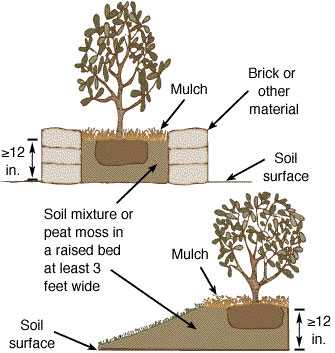
Yes, mulching significantly improves lawn soil by enriching nutrients, retaining moisture, and reducing weeds. It creates a healthier environment for grass roots to thrive, leading to a lusher, more vibrant lawn.
Mulching is a game-changer for lawn care because it works silently beneath the surface to boost soil health. It helps retain moisture, regulate soil temperature, and add organic matter as it decomposes. When you mulch your lawn properly, you’re not just tidying up; you’re actively nourishing the soil, which results in stronger, greener grass. It’s like giving your lawn a nourishing blanket that promotes growth and resilience. Whether you’re looking to combat drought conditions or enhance soil fertility, mulching offers a simple, natural solution that can make a real difference in the health and appearance of your lawn.

Does mulching improve lawn soil?
What is mulching and why do people use it?
Mulching involves placing a layer of organic or inorganic material on top of the soil in your lawn. People use mulching to protect the soil, add nutrients, and improve the overall health of the grass. It’s a common method to keep lawns lush and green without needing excessive watering or fertilizing.
How mulch affects soil health
Mulch creates a protective cover over the soil, helping to reduce evaporation. This means moisture stays in the soil longer, making watering more efficient. Over time, organic mulch decomposes, releasing nutrients that naturally feed your lawn.
Types of mulch and how they influence soil
There are mainly two types of mulch: organic and inorganic. Organic mulches include wood chips, grass clippings, and compost. Inorganic mulches like gravel or rubber do not decompose but can still impact soil health by controlling weeds and temperature.
Organic mulch and soil enrichment
Organic mulch breaks down gradually, enriching the soil with essential nutrients. This process improves soil structure, increases its ability to retain water, and encourages beneficial microorganisms. These microorganisms help break down organic matter, making nutrients available to grass roots.
Inorganic mulch and soil impact
Inorganic mulch does not decompose, so it does not directly add nutrients. However, it can protect the soil from erosion, regulate temperature, and suppress weeds. Inorganic mulch is often used for decoration or weed control rather than soil improvement.
Benefits of mulching for soil improvement
Mulching offers multiple benefits that make soil healthier and more fertile. It encourages better water retention, reduces soil compaction, and promotes healthy root growth for your lawn.
Enhanced soil moisture retention
A mulch layer slows down water evaporation from the soil, keeping it moist longer. Consistent moisture helps grass grow better and reduces the need for frequent watering.
Temperature regulation
Mulch insulates the soil, preventing extreme temperature fluctuations. Cooler soil in the summer and warmer soil in the winter create a stable environment for grass roots to thrive.
Suppression of weeds
Applying mulch prevents sunlight from reaching weed seeds. This reduces weed growth, which in turn minimizes competition for nutrients and water with your grass.
How mulching improves soil fertility
Organic mulches decompose over time, releasing vital nutrients such as nitrogen, phosphorus, and potassium. These nutrients naturally feed the soil and promote healthy grass development.
Decomposition process and nutrient release
As organic mulch breaks down, tiny organisms feed on the material, releasing nutrients into the soil. This process creates a natural fertilizer effect that enhances soil fertility without chemical additives.
Promotion of beneficial microorganisms
Mulch creates a habitat for bacteria, fungi, and other beneficial microbes. These organisms help decompose organic matter and improve nutrient availability for grass roots.
Impact of mulching on soil structure
Regular mulching can improve the physical structure of your soil, making it easier for roots to grow deeply and access nutrients. Well-structured soil retains moisture better and drains excess water efficiently.
Improving aeration and drainage
Organic mulch loosens compacted soil layers and creates air pockets. Better aeration supports root respiration and promotes overall plant health.
Reducing soil erosion
A mulch layer stabilizes the soil surface, preventing erosion caused by wind and water. This keeps the soil intact and protects the roots from exposure.
Considerations for effective mulching
To get the most benefit from mulching, it’s important to use the right type and amount of material. Proper application ensures soil improvement and prevents potential issues.
Applying the right amount of mulch
A layer of two to three inches is usually ideal. Too much mulch can suffocate grass roots, while too little may not provide enough protection or nutrients.
Selecting suitable mulch materials
Choose organic materials like compost or wood chips for soil enrichment. Inorganic options work better for weed suppression and decorative purposes.
Maintaining mulching practices over time
Replenish mulch annually or as needed to maintain consistent coverage. Regularly check for compaction or decomposition and add fresh material accordingly.
Potential challenges and solutions
While mulching benefits soil, improper practices can lead to problems such as disease or poor grass growth. Learning how to avoid these issues ensures healthier soil and lawn.
Preventing disease and pest buildup
Avoid piling mulch too thick or placing it against plant stems. These practices can promote fungal diseases and pests.
Managing excess moisture or decay
Ensure proper drainage and avoid mulch layers that trap water. Turn or aerate mulch to promote airflow and prevent decay.
Using mulch in your lawn is an effective way to improve soil quality over time. By choosing the right mulch type and applying it correctly, you can enhance moisture retention, increase soil fertility, and promote healthy grass growth. Proper mulching creates a stronger, more resilient lawn that requires less maintenance and resists environmental stressors. Overall, mulching is a natural, cost-effective method to help your soil become richer and your lawn more vibrant.
Frequently Asked Questions
What nutrients does mulching add to the soil?
Mulching adds essential nutrients like nitrogen, phosphorus, and potassium to the soil as the organic material decomposes. These nutrients support healthy grass growth, improve soil fertility, and enhance the overall quality of the lawn. Regular mulching helps maintain a steady supply of nutrients, reducing the need for chemical fertilizers.
How does mulching prevent soil erosion in lawns?
Mulching acts as a protective cover over the soil, minimizing the impact of heavy rains and wind that can wash away or erode the topsoil. By shielding the surface, it maintains soil stability and prevents compaction, which ultimately helps keep the soil in place and promotes healthier root development.
Can mulching help retain moisture in the soil?
Yes, mulching helps retain moisture by reducing evaporation from the soil surface. This creates a more consistent moisture level that benefits the grass, especially during dry periods. As a result, the lawn requires less frequent watering, conserving water resources and promoting stronger root systems.
Does layering mulch improve soil aeration?
Applying a properly managed layer of mulch helps improve soil aeration by preventing compacted layers from forming. Organic mulches allow air to circulate around grass roots and soil particles, which promotes healthy root growth and increases the soil’s ability to absorb water and nutrients efficiently.
How often should I replenish mulch to maximize soil benefits?
Replenishing mulch every 1 to 2 years ensures it remains effective at adding nutrients and protecting the soil. As mulch decomposes, it naturally diminishes in thickness, so regular addition maintains its protective and enriching functions, leading to a healthier, more resilient lawn.
Final Thoughts
Mulching adds organic matter to the soil, enhancing its fertility and structure. It helps retain moisture and suppress weeds, creating a healthier environment for grass roots.
Over time, mulch decomposes, enriching the soil with essential nutrients. This process improves soil aeration and encourages beneficial microbial activity.
Does mulching improve lawn soil? Yes, it can significantly promote a thriving lawn by maintaining soil health. Proper mulching supports grass growth and overall lawn vitality.