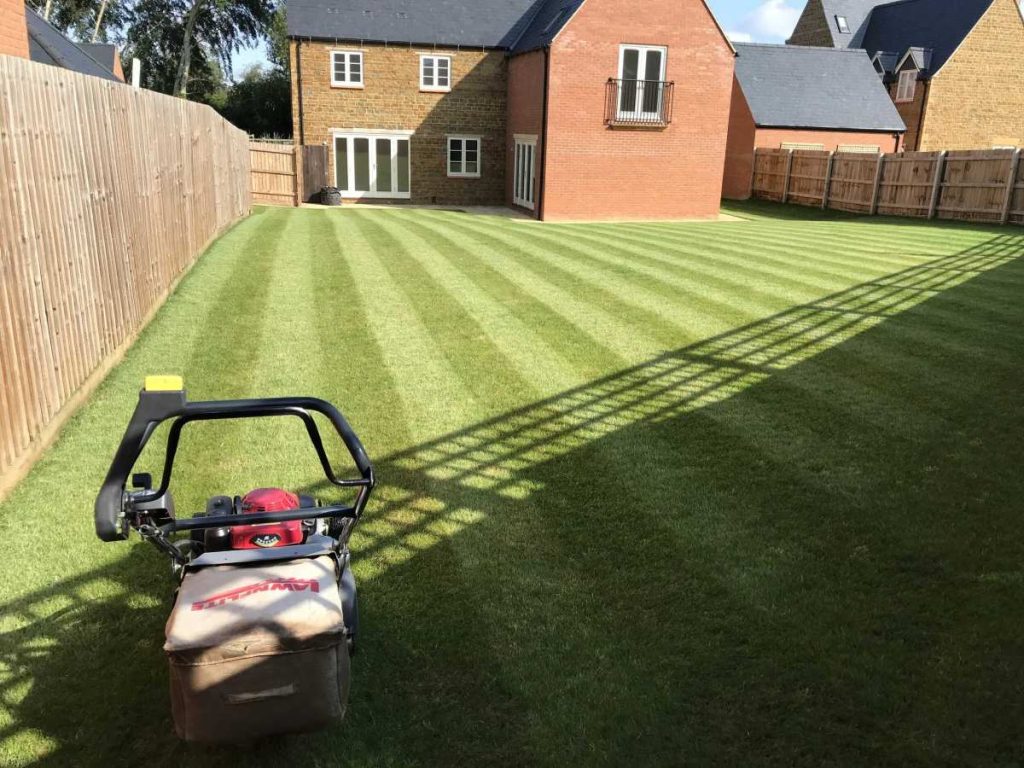
Start by setting your mower to the proper height, using sharp blades, and mowing in overlapping, straight lines. This will give your lawn a clean, professional look with healthy, evenly cut grass. Regularly changing your mowing pattern prevents soil compaction and promotes lush growth.
To mow the lawn like a pro, focus on maintaining sharp blades, setting an appropriate cutting height, and using consistent, overlapping lines. Adjust your mowing schedule based on grass growth, and avoid cutting more than one-third of the grass height at a time for healthier results. Proper lawn care involves more than just cutting—consider edging, trimming, and watering to enhance your yard’s appearance and health.
Getting your lawn looking pristine isn’t just about pushing a mower—it’s about mastering technique and rhythm. When you mow like a pro, your grass stays healthy, weeds are kept at bay, and your yard becomes the envy of the neighborhood. Whether you’re a weekend gardener or just want a perfect yard, understanding the key steps and tips will help you achieve a professional finish every time. In this guide, I’ll share expert advice on how to mow your lawn efficiently, safely, and beautifully, ensuring that every pass makes your outdoor space shine.

How to Mow the Lawn Like a Pro
Understanding Your Lawn and Its Needs
To mow like a pro, start by understanding your lawn’s specific grass type and growth pattern. Different grasses, such as Bermuda or Kentucky bluegrass, have unique height requirements and mowing needs. Identifying the grass type helps you determine the optimal cutting height for a healthy, lush yard.
Regularly inspect your lawn for patches of uneven growth or pests. Knowing your lawn’s conditions allows you to tailor your mowing strategy and keep your yard looking its best. Remember, a well-maintained lawn begins with understanding its unique characteristics.
Choosing the Right Mower
Picking the proper mower is key to achieving a professional-looking cut. For small yards, a push mower offers precise control and ease of use. Larger lawns benefit from riding mowers or lawn tractors for efficiency and consistency.
Consider features like blade type, cutting height adjustment, and power source. Gas-powered mowers typically provide more power for thick grass, while electric models are quieter and eco-friendly. Selecting the right mower saves time and ensures a clean cut every time.
Setting the Correct Cutting Height
Adjusting the mower’s cutting height to suit your grass type and season is essential. Generally, keep grass at about 2.5 to 3 inches tall to promote healthy roots and prevent weeds. Cutting too short can stress your lawn and cause scalping, which damages the grass.
Use the mower’s height adjustment lever to set the blades at the desired level before mowing. Always check that all wheels are at the same height to ensure an even cut. Proper height maintenance encourages a thicker, greener, and more resilient lawn.
Preparing Your Lawn Before Mowing
Before mowing, remove any debris such as sticks, rocks, or toys that could damage your mower or affect the cut. It’s also good to mow when the grass is dry, as wet grass tends to clog blades and leaves a messy appearance.
Conduct a brief walk-through to assess the lawn’s condition. If you notice patches of uneven growth or bare spots, address them with fertilization or reseeding first. Proper preparation ensures a smoother mowing process and prevents accidental damage.
Mastering Mowing Techniques for a Professional Finish
Use overlapping passes to avoid streaks and ensure an even cut. For best results, mow in straight lines, alternating directions each time to prevent ruts and promote upright growth. Maintain a steady pace, avoiding rushing, which can result in uneven edges.
For added precision, use a string or chalk line to guide your straight cuts. When mowing around obstacles, go slowly and carefully to prevent damage. Consistent technique and attention to detail produce a neat, professional-looking lawn.
Varying Your Mowing Pattern
Changing your mowing pattern regularly prevents grass from developing ruts and encourages upright growth. Rotate your mowing direction each week—one time mowing north to south, the next east to west. This variation distributes wear evenly across the lawn.
Incorporate diagonal or circular patterns occasionally for visual interest and aeration benefits. Avoid mowing in the same pattern for consecutive sessions to keep your turf healthy and looking sharp.
How to Handle Edges and Finishing Touches
Use a string trimmer or edger to tidy up lawn borders, around flower beds, trees, and pathways. Fine edges give your yard a clean, finished appearance. Carefully trim around fences, sidewalks, and driveways for a crisp look.
Always mow slightly over the edges for a natural blend, then use the trimmer for a sharp line. Regular edging prevents overgrowth and keeps your lawn looking professionally maintained.
Timing and Frequency of Mowing
Mow your lawn frequently enough to remove no more than one-third of the grass height at a time. During the peak growing season, this might mean mowing once a week. Less active periods may require mowing every two weeks.
Adjust your schedule based on weather conditions, rainfall, and grass growth rate. Mowing at the right frequency supports healthy growth, reduces stress on grass plants, and keeps your yard looking pristine.
Maintaining Your Equipment for Peak Performance
Regularly sharpen mower blades to ensure a clean cut that promotes healthy grass. Dull blades tear grass instead of cutting it, causing a ragged look and potential disease.
Clean your mower deck and air filters after each use to prevent buildup and overheating. Check oil levels, replace spark plugs, and perform tune-ups annually. Well-maintained equipment improves mowing quality and extends its lifespan.
Seasonal Lawn Care and Mowing Adjustments
Adjust your mowing routine based on seasonal changes. In spring and summer, mow more frequently to manage vigorous growth. During fall and winter, reduce mowing frequency and height to protect the grass.
In colder months, keep grass slightly taller to insulate roots and prevent frost damage. Seasonal adjustments help your lawn stay healthy and resilient year-round.
Incorporating Lawn Care Practices for Best Results
Combine mowing with fertilizing, watering, aerating, and dethatching for optimal lawn health. Proper fertilization supports lush growth, while adequate watering ensures consistent moisture.
Aeration loosens compacted soil, allowing nutrients and air to reach roots. Dethatching removes excess thatch buildup, promoting healthier grass and better mowing results. A comprehensive approach creates a vibrant, professional-looking lawn.
Safety Tips for Mowing Like a Pro
Always wear sturdy shoes, protective eyewear, and ear protection when mowing. Keep children and pets away from the mowing area to prevent accidents. Be cautious around slopes and uneven terrain to avoid tipping.
Turn off the mower and disconnect the spark plug before cleaning or performing maintenance. Following safety precautions helps you work efficiently and avoid injuries.
Related Topics for Lawn Success
- Proper fertilization techniques
- How to water your lawn effectively
- Aerating and dethatching methods
- Choosing the right grass seed for your climate
- Seasonal lawn care tips
Adopting these practices along with skillful mowing ensures your yard remains green, healthy, and beautiful. With patience and attention to detail, you can mow the lawn like a professional every time.
How to Mow a Lawn CORRECTLY
Frequently Asked Questions
What techniques can I use to ensure an even cut across my lawn?
To achieve an even cut, adjust your mower blades to the appropriate height for your grass type. Always mow in straight, overlapping rows and vary your direction each time you mow to prevent grass from leaning in one direction. Cutting grass when it’s dry helps maintain a clean cut and prevents clumping. Regularly sharpen your mower blades to ensure a smooth, precise trim.
How can I improve my mowing pattern to enhance the appearance of my lawn?
Use a consistent pattern for mowing, such as straight lines or circular patterns, to create a professional appearance. Changing your pattern each time you mow prevents the grass from developing ruts and creates visual interest. Maintain a steady pace and avoid rushing to ensure the cut is uniform and clean. Additionally, mowing at the right height based on grass type enhances overall lawn aesthetics.
What safety tips should I follow while mowing the lawn like a pro?
Always wear protective gear, such as sturdy shoes and eye protection. Before starting, inspect the mower for loose parts or debris. Keep hands and feet away from moving blades and turn off the mower before clearing clogs or performing maintenance. Avoid mowing in wet or muddy conditions to prevent slipping and damage to your equipment. Be cautious around slopes, and never operate the mower under the influence of alcohol or medication.
Final Thoughts
To mow the lawn like a pro, first set your mower to the correct height for your grass type. Use overlapping passes to ensure even coverage and avoid missing spots. Always mow when the grass is dry for a clean cut and healthier turf. Regularly sharpen your blades for a smooth finish.
Conclude by focusing on proper techniques and routine maintenance. Knowing how to mow the lawn like a pro helps you achieve a lush, well-manicured yard. Consistent effort ensures your lawn stays healthy and attractive.