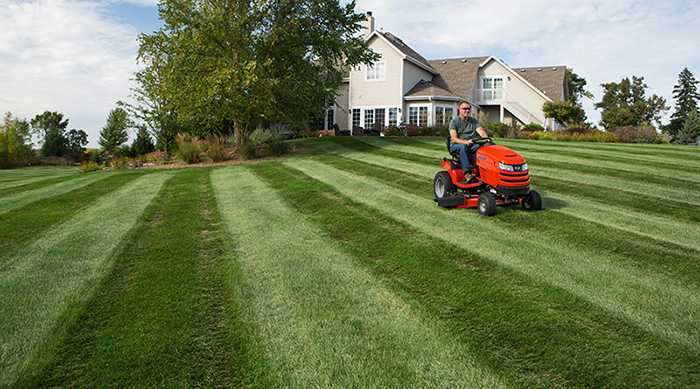
To create stunning lawn stripes, switch your mowing pattern so you’re always walking in the same direction and use a lawn roller for extra sharpness. Mow at the right height, alternate your lines each session, and make sure your grass is healthy and dry before starting. These simple tips will help you achieve beautiful, professional-looking stripes that will turn your yard into a show-stopper.
Getting perfect stripes on your lawn is easier than you think. By changing your mowing direction regularly, using a roller, and paying attention to grass height and health, you can create a striking pattern that adds a polished look to your yard. Consistency and technique are key, so follow these tips to achieve that flawless striped effect every time you mow.
If you want your lawn to have eye-catching stripes, start by mowing in straight lines in one direction, then alternate the pattern with each session. Use a stripe roller for crisp lines, keep your grass at the right height, and mow when the grass is dry for the best results. With practice, your lawn will look like it’s been professionally landscaped.

How to Mow Lawn to Get Stripes: A Complete Guide
Creating beautiful lawn stripes is more than just mowing the grass. It’s about understanding how the grass reacts to different mowing techniques and using specific tools to produce clear, eye-catching lines. This guide will walk you through every step to help you achieve perfect striped lawns every time. Whether you are a beginner or looking to improve your skills, these tips will make your yard stand out.
Understanding How Lawn Stripes Are Made
Grass stripes are created by bending grass blades in different directions. When you mow, you push the grass in one direction, causing it to lay down. The way grass bends affects how light reflects off the blades, making some areas appear darker while others look lighter. This contrast is what gives the striped effect.
To get consistent stripes, you need to control the direction of your mowing. Repeating the pattern in the same way creates straight, bold lines. Changing directions each time will produce a more intricate pattern but may make lines less defined.
Choosing the Right Mower
Push vs. Riding Mowers
For best results, use a **walk-behind mower** with a **roller** or a **striping kit**. These are easier to maneuver and give you control over the mowing direction. If you have a larger lawn, a **riding mower** equipped with a **striping attachment** can save time and produce equally beautiful results.
Consider a Mower with a Rolling Bar
Look for mowers that include a **rear roller** or attach a **striping kit** to your existing mower. The roller presses grass blades down in the direction you want to stand out, creating a visible line. Without this feature, stripes may not be as distinct.
Preparing Your Lawn for Stripes
Proper Lawn Maintenance
Before mowing, ensure your lawn is healthy and well-maintained. Reseed bare patches, water regularly, and remove debris. A healthy, uniform lawn produces better stripes because the grass bends evenly and maintains its color.
Grass Height Management
Set your mower to cut at the optimal height for your grass type. For most lawns, a height of **2.5 to 3.5 inches** works well. Cutting too short can stress the grass, while too high may hide your stripes. Consistent height helps keep lines sharp and prevent uneven bending.
Step-by-Step Guide to Mow for Stripes
Plan Your Pattern
Decide on the direction of your stripes first. Usually, mowing back and forth in parallel lines creates the most striking effects. For a more creative look, try diagonal or herringbone patterns. Marking the edges with stakes or hoses can help keep lines straight.
Start Mowing
Begin at one edge of your lawn and mow in a straight line toward the other end. Use a consistent speed and overlapping the previous pass slightly to ensure even cutting. Always mow from the same side on each pass to maintain uniformity.
Use the Roller or Striping Kit
Engage your roller or attach your striping kit before you start each run. This tool presses the grass in the desired direction, enhancing the stripe’s visibility. Make sure the roller is clean and functioning properly for the best results.
Mow in Alternate Directions
After completing one set of lines, turn around and mow back in the opposite direction. Maintaining the same pattern orientation each time will produce crisp, well-defined stripes.
Tips for Achieving Sharp and Long-Lasting Stripes
- Overlap slightly on each pass to prevent gaps and uneven lines.
- Adjust mowing speed for a clean cut; too fast might cause jagged lines.
- Be consistent in the direction you push the mower for each pass.
- Trim edges with a weed whacker after mowing to keep lines crisp and tidy.
- Water your lawn after mowing to help grass blades bend and set in the new position.
Creating Unique Patterns for Your Lawn
Diagonal Lines
Cutting diagonally across your lawn creates a dynamic look and makes your yard appear larger. To do this, set your mower to mow at a 45-degree angle relative to the lawn edges.
Herringbone or Chevrons
This pattern involves mowing in parallel lines with each pass at an angle, then turning perpendicular for the next row, creating a zigzag effect. It adds sophistication and depth to your lawn design.
Circular or Radiating Patterns
Use a string or a lawn marker to plan circles or radial designs. Mow in concentric circles or from the center outward for a distinctive look. These patterns work best on lawns with a central feature like a fountain or tree.
Maintaining Your Stripes Over Time
Regular mowing in the same pattern maintains the visual effect. However, change your pattern every few weeks to prevent the grass from developing a permanent bend or pattern impression. Keep your lawn healthy to preserve the vibrancy of your stripes.
Additional Tips for Perfect Striped Lawns
- Mow when the grass is dry for cleaner lines and better bending.
- Use a grass color-coating spray to temporarily enhance stripe contrast for special occasions.
- Keep tools sharp to avoid tearing grass blades, which can dull lines and weaken the lawn.
- Plan your mowing schedule around rain or extreme heat to keep your lawn healthy and stripes sharp.
Related Topics
How to Aerate Your Lawn for Better Growth
Aeration improves soil health, allowing grass to grow thicker and healthier, making stripes more prominent. It’s best done in early spring or fall.
Choosing the Best Grass for Stripes
Many cool-season grasses like Kentucky Bluegrass or Perennial Ryegrass offer good bending qualities for stripes. Warm-season grasses such as Bermuda or Zoysia also work well if properly maintained.
Seasonal Tips for Lawn Care
Adjust mowing height and pattern according to season. Keep your lawn healthy through fertilization, watering, and proper mowing to ensure vibrant, long-lasting stripes.
Getting those perfect lawn stripes requires planning, proper equipment, and patience. By following these steps, you can turn your yard into a professional-looking masterpiece and enjoy a beautifully striped lawn all season long.
Lawn Striping – How To Achieve The Best Stripes In Your Lawn
Frequently Asked Questions
How should I set the mowing height to achieve clear lawn stripes?
Adjust your mower to a consistent, appropriate height, typically between 2.5 and 3 inches, depending on your grass type. Keeping the same height for the entire lawn ensures uniform cutting, which helps create sharp, defined stripes. Avoid cutting too short, as this can stress the grass and make stripes less distinct.
What pattern should I follow to create visible stripes on my lawn?
Start by choosing a pattern, such as straight lines, diagonals, or chevrons. Mow in one direction for the first pass, then turn 180 degrees to mow perpendicular or at an angle on the next pass. Repeating this pattern across your lawn enhances the contrast between the cut and uncut grass, resulting in well-defined stripes.
How can I use mowing techniques to improve stripe visibility?
Use a slow and steady pace to ensure clean, even cuts. Overlap each pass slightly to prevent missed areas. Use a roller or a striping kit attached to your mower to press grass blades in the desired direction, which increases the contrast between the stripes. Also, change the mowing direction regularly to keep stripes crisp and prevent pattern fading.
Are there specific grass types that show stripes better?
Yes, grasses with a fine texture and a dense growth habit, such as fescue or bluegrass, typically display stripes more clearly. These grass types bend more uniformly, allowing the pattern to stand out. Coarser grasses or uneven patches can make stripes less visible and less sharp.
What maintenance tips help enhance the appearance of lawn stripes?
Keep your lawn healthy by watering deeply and regularly, fertilizing appropriately, and aerating annually. Healthy, lush grass responds better to mowing patterns and creates more prominent stripes. Regularly sharpening your mower blades also ensures clean cuts, which improve stripe definition and overall lawn appearance.
Final Thoughts
To mow your lawn for perfect stripes, start by mowing in straight lines. Change direction each time to create contrast. Use a roller or a striping tool to enhance the visual effect. Maintain consistent speed and pattern for the best results.
Adjust your mowing height to keep the grass healthy and stiff enough for bending. Always mow when the grass is dry to avoid uneven stripes. Regularly sharpen your mower blades for clean cuts.
In conclusion, how to mow lawn to get stripes relies on mowing in straight lines, changing directions, and maintaining consistent patterns. By following these simple steps, your lawn will display attractive stripes that boost curb appeal.